Shimo-Kamagari Island
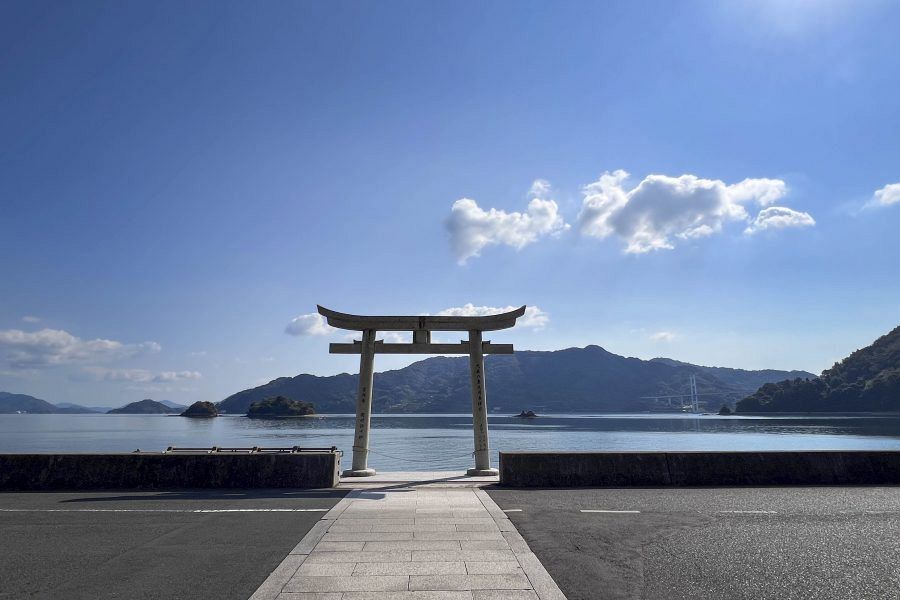
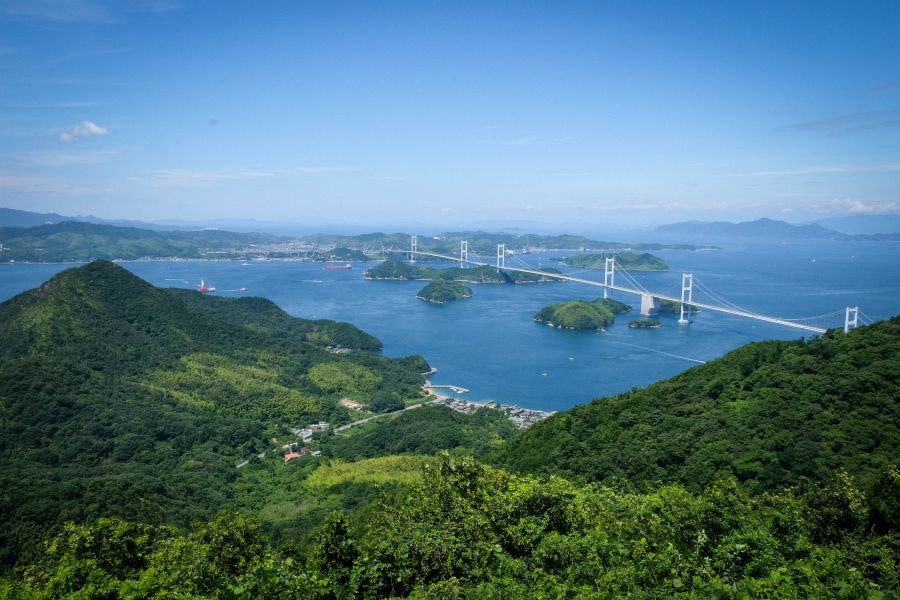
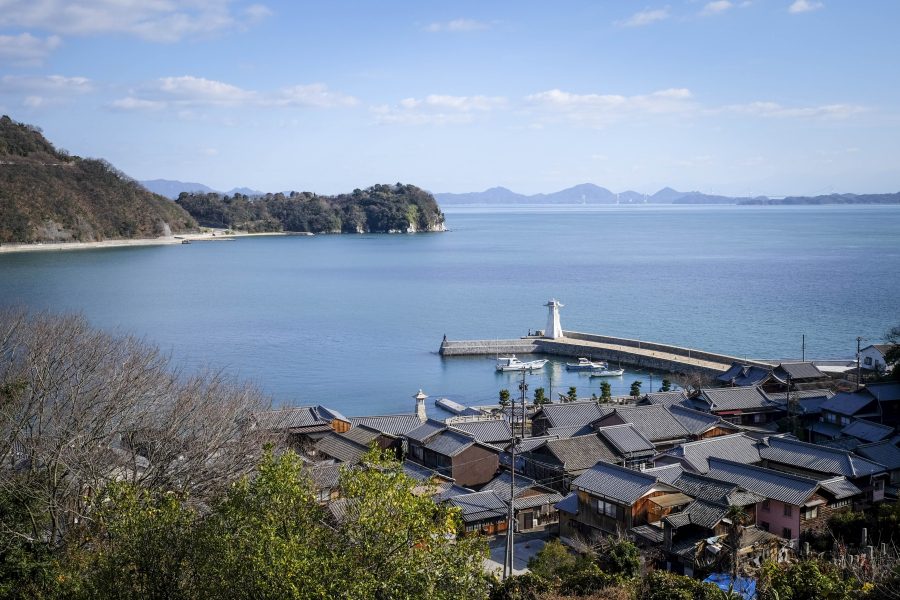
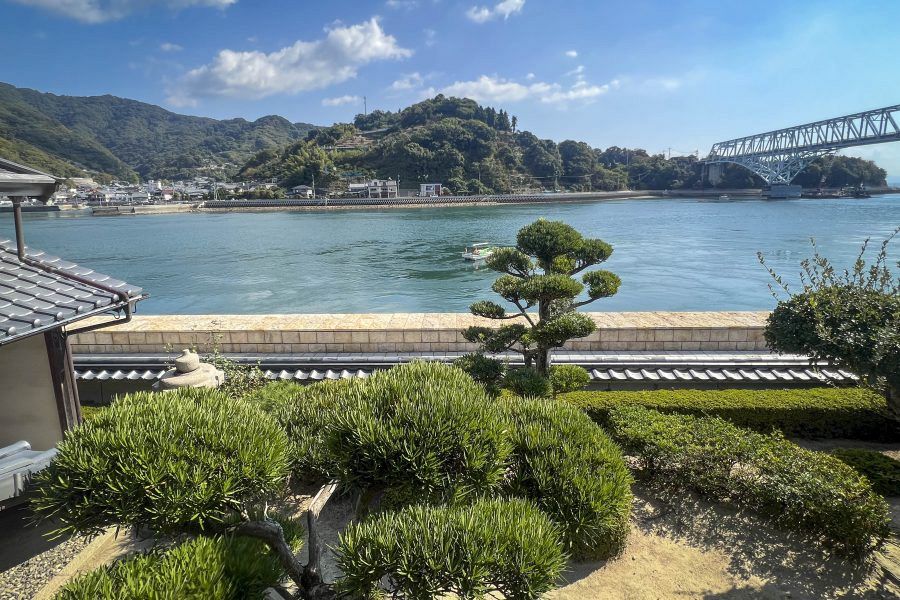
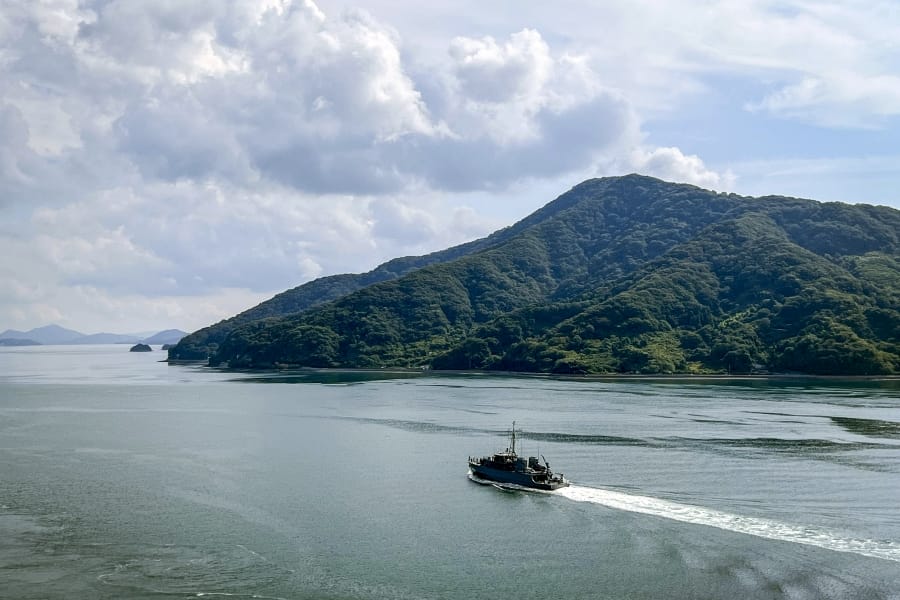
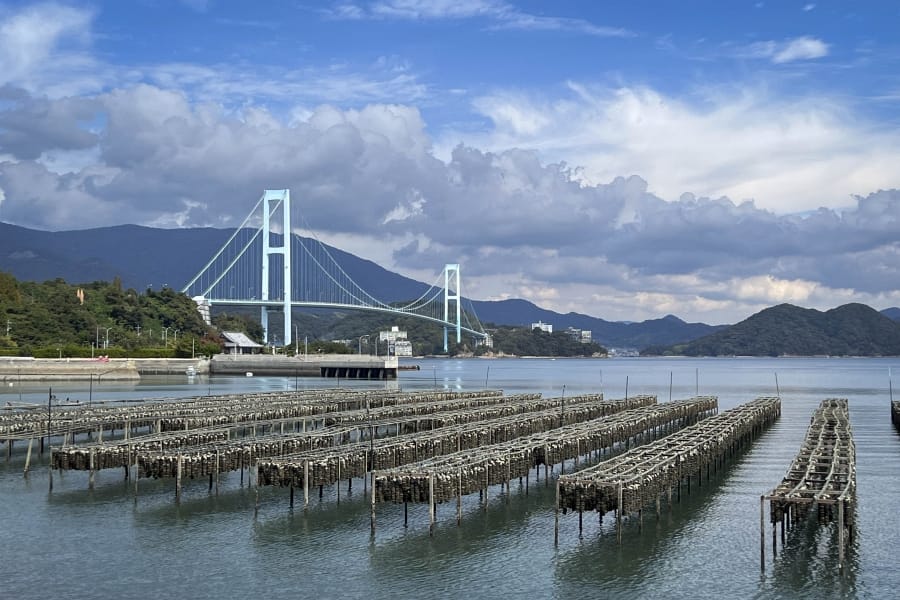
Shimo-Kamagari Island is a small island in the Seto Inland Sea. It’s the first island of the Tobishima Kaidō cycling route, linked to the mainland by the Akinada Bridge. The island is part of the city of Kure.
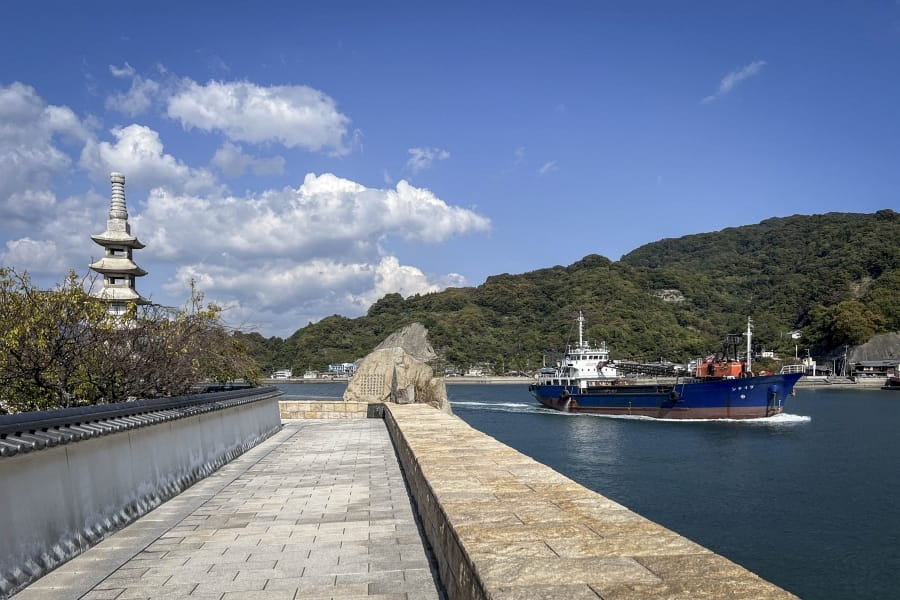
The importance of Shimo-Kamagari comes from its position on the maritime route between western Japan and the Inland Sea. Its sheltered harbour at Sannose was an official sea station from the Edo period, with a port, guard station, official lodging facility and tea houses serving travellers and official delegations. Today, a concentration of museums, restored buildings, stone-paved lanes and historic waterfront features makes Sannose one of the best places in the Seto Inland Sea to understand how Japan’s maritime communications worked during the Edo period.
A history of exchanges with Korea
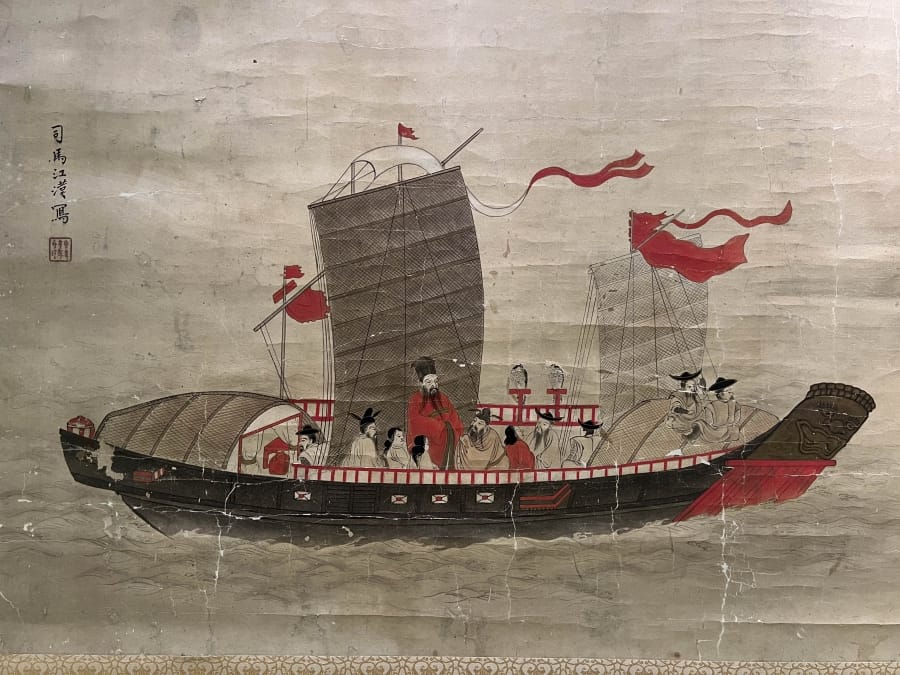
The island is particularly associated with the Korean envoys (Chōsen Tsūshinshi), diplomatic missions sent by the Joseon court to Japan. Twelve missions travelled to Japan between 1607 and 1811, and Shimo-Kamagari was used by eleven of them. The envoys travelled by ship through the Seto Inland Sea on their way between Korea and the Tokugawa shogunate, usually stopping at Sannose for a night. The missions maintained diplomatic relations between Joseon Korea and Tokugawa Japan, while also providing opportunities for cultural and intellectual exchange. The delegations could number several hundred people, making their arrival a major event for communities along the route.
The Hiroshima domain was responsible for receiving the missions at Shimo-Kamagari. The island became particularly famous for the quality of its hospitality. Considerable effort went into accommodation, food, transport and ceremonial reception. The surviving records and reconstructed buildings around Sannose illustrate the practical arrangements behind these diplomatic visits.
A town of fascinating museums
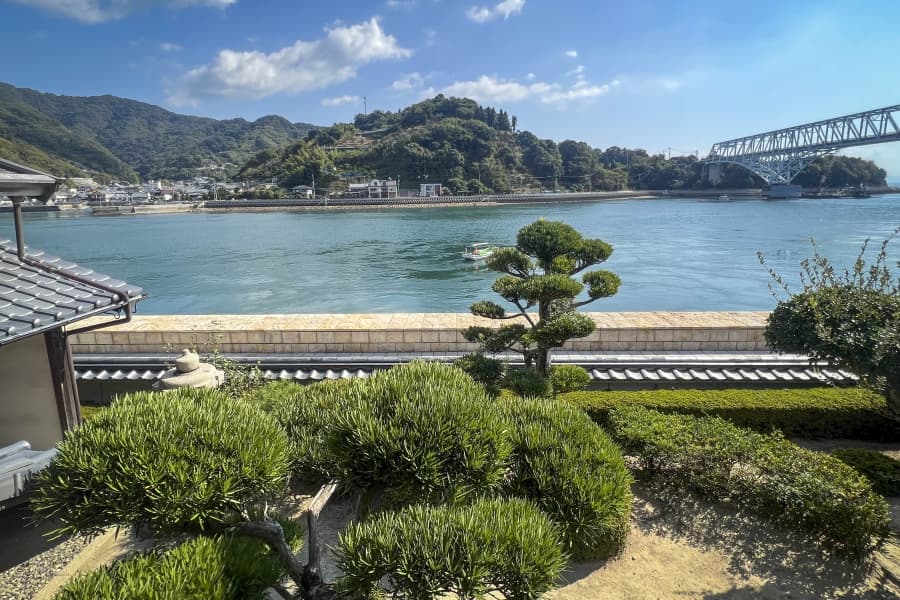
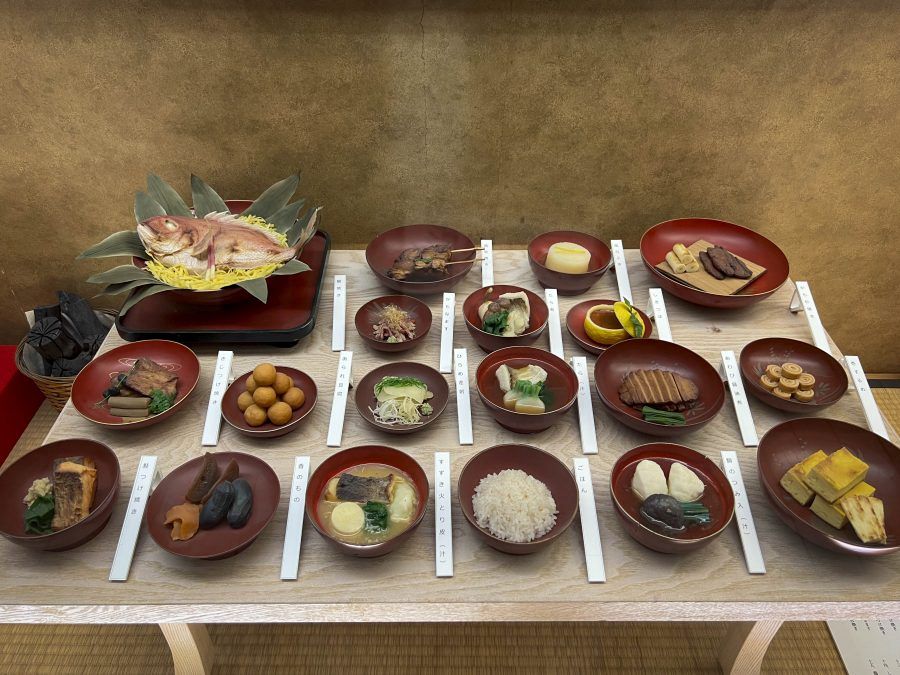
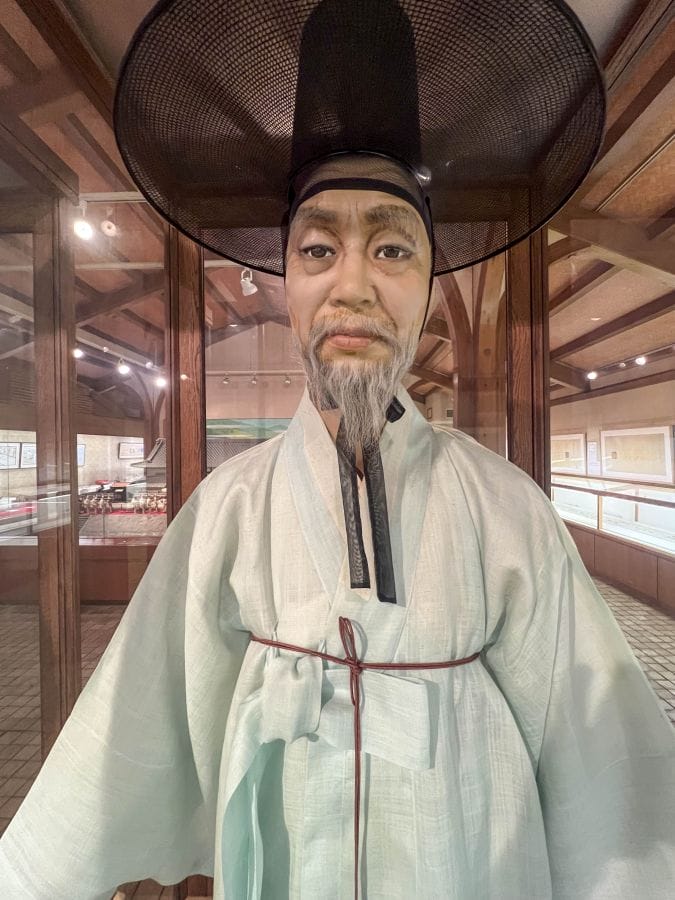
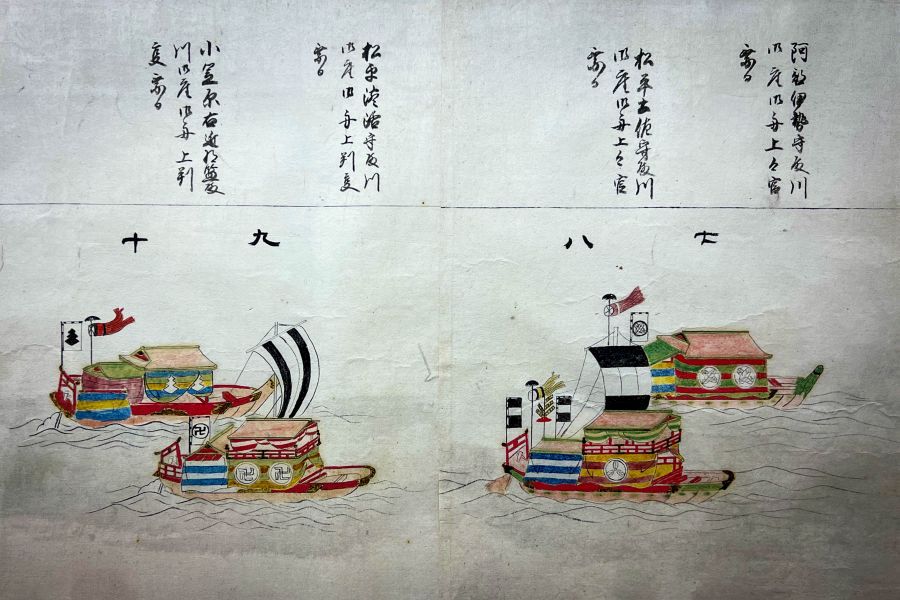
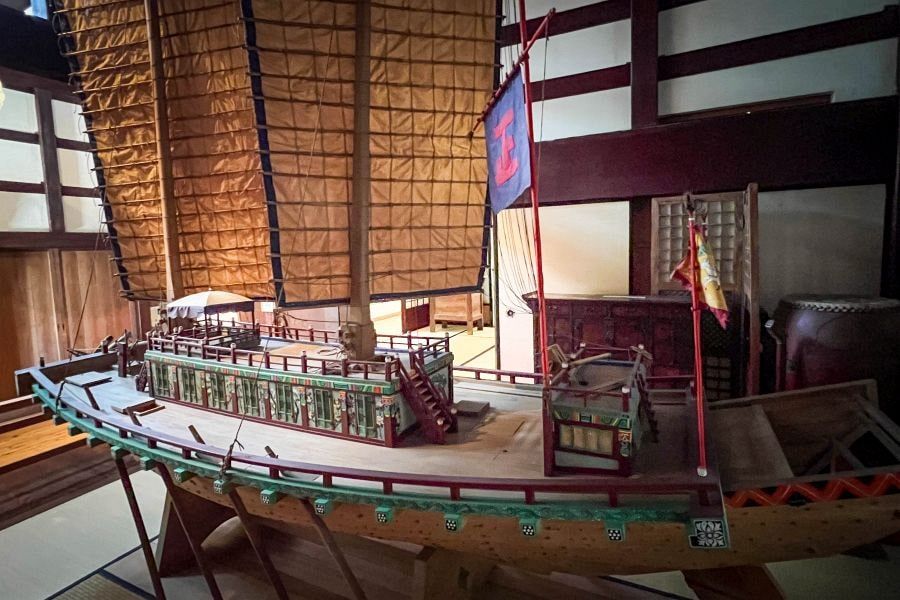
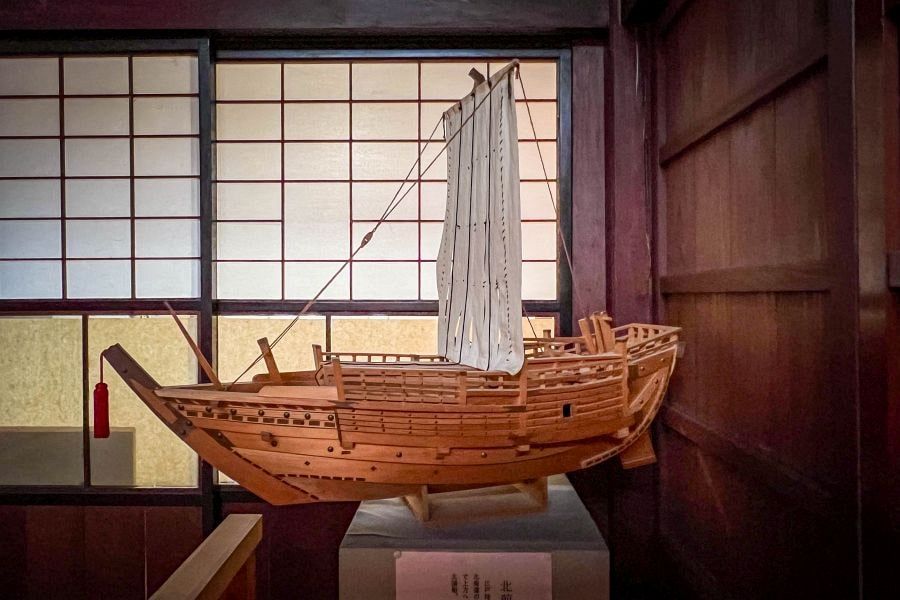
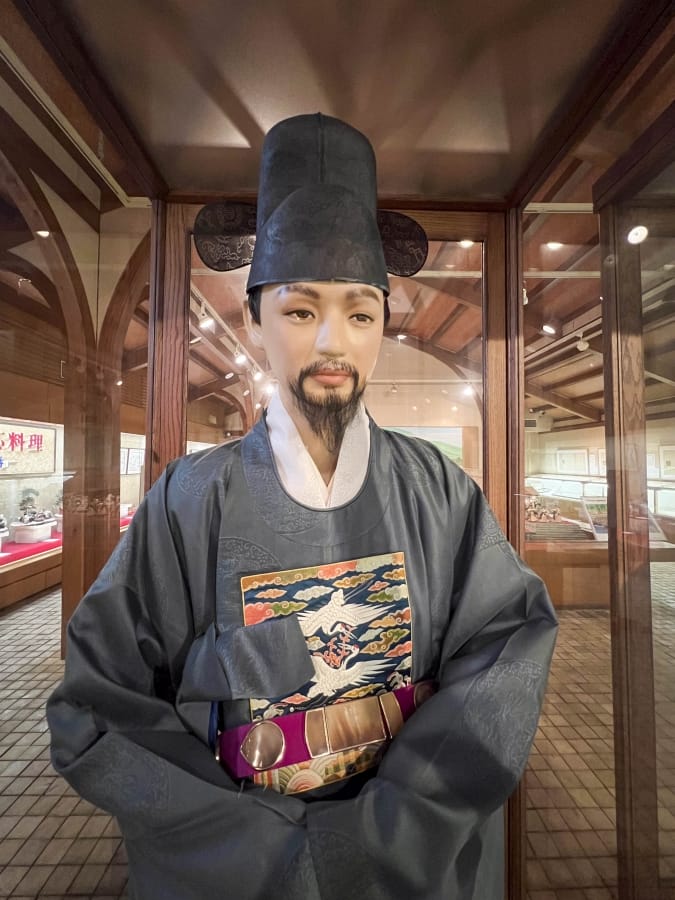
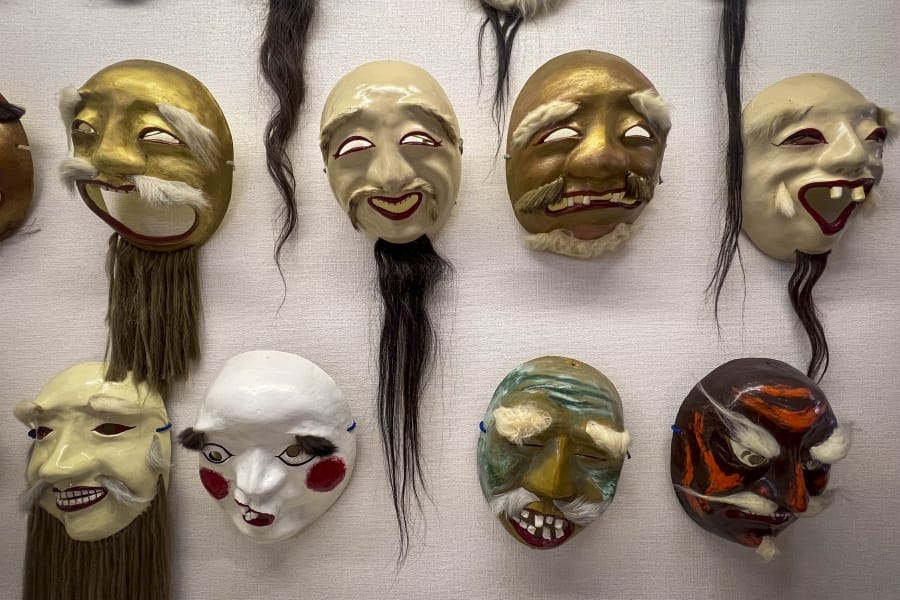
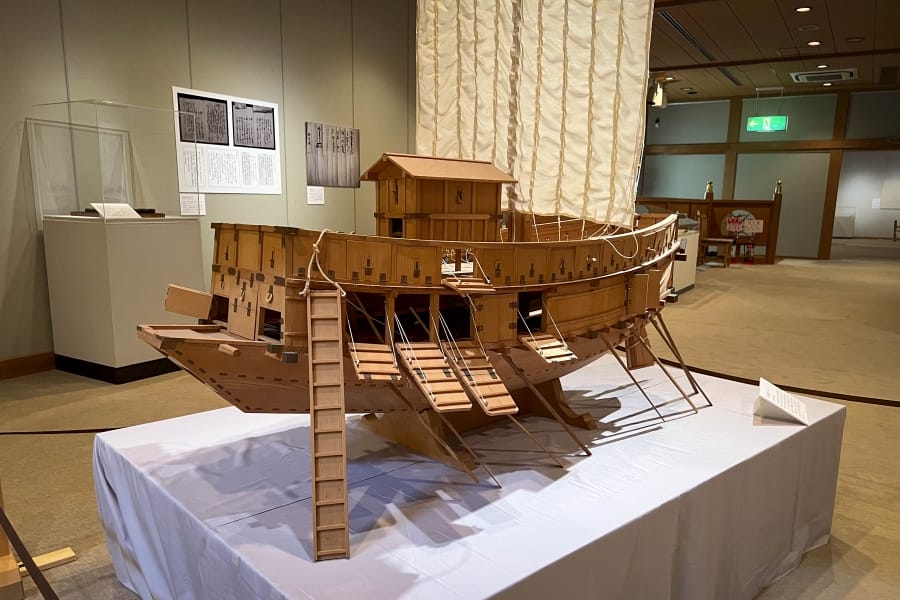
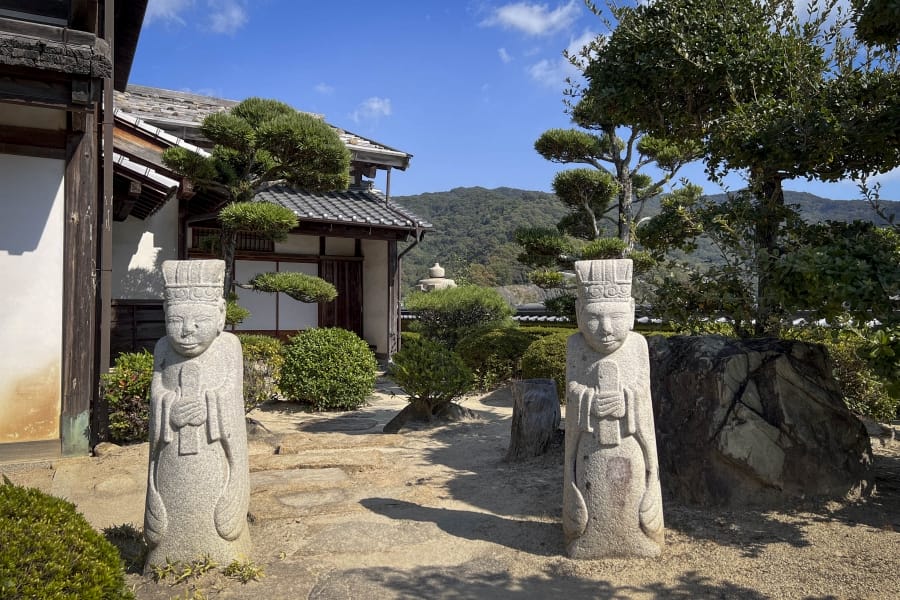
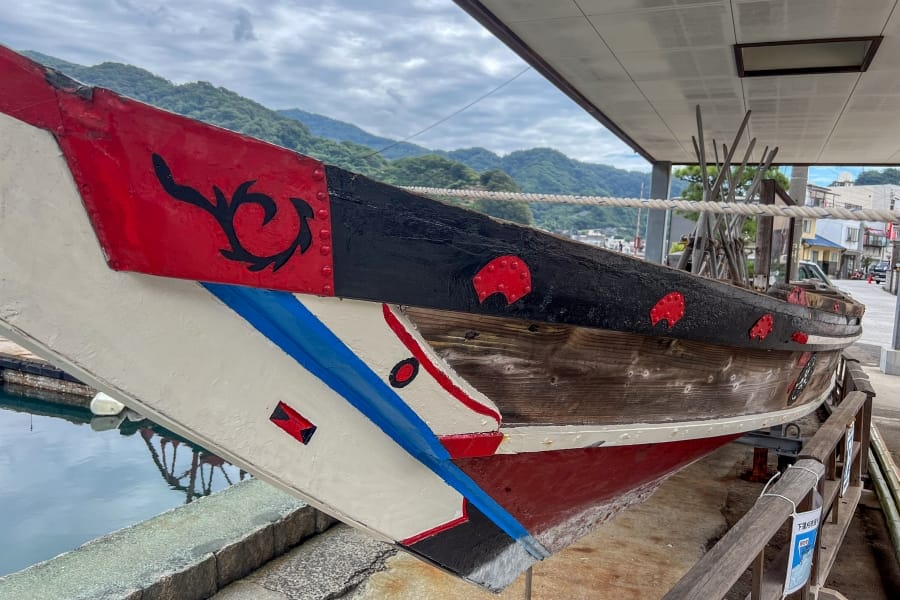
Shōtō-en is the principal historical museum complex. Its buildings include relocated traditional houses and reconstructions arranged around a garden overlooking the Sannose Strait. The Chōsen Tsūshinshi Museum, Gochisō Ichiban-kan, occupies a substantial former merchant’s house moved from Toyama Prefecture. It displays material relating to the Korean missions, including reconstructions of the elaborate meals prepared for the envoys, life-sized figures, a model of the official inn, and a 1:10 model of an envoy’s ship. Maps, procession paintings and other material illustrate the missions and their journeys through Japan. An important document depicting the 1748 mission and its ships is included in UNESCO’s Memory of the World programme.
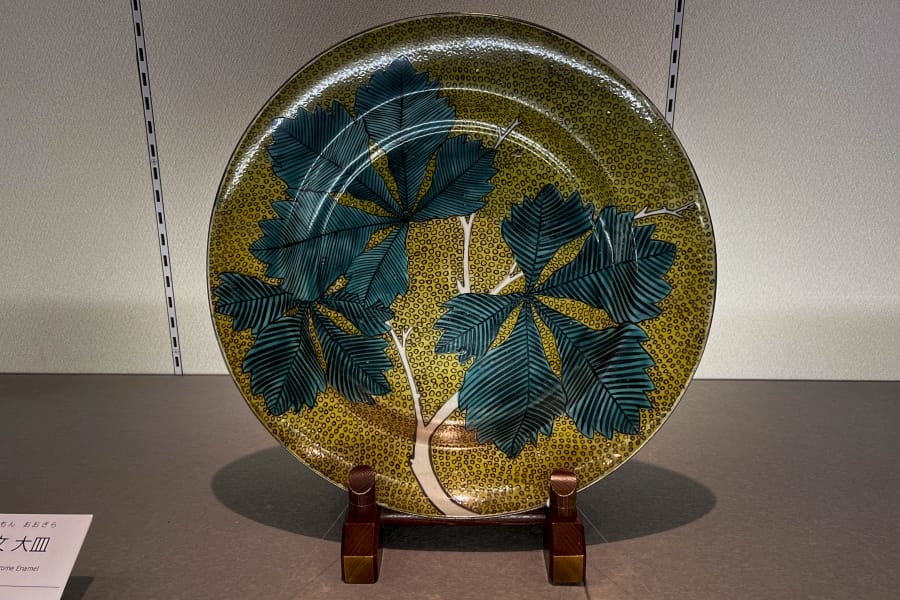
The Ceramics Museum occupies an eighteenth-century merchant’s house moved from Miyajima. The building itself has projecting second-floor lattice windows, deep eaves and other features characteristic of a prosperous Edo-period merchant’s residence. Its collection covers Japanese porcelain including early Imari, Ko-Kutani-style coloured wares, Kakiemon-style porcelain, and Nabeshima ware.
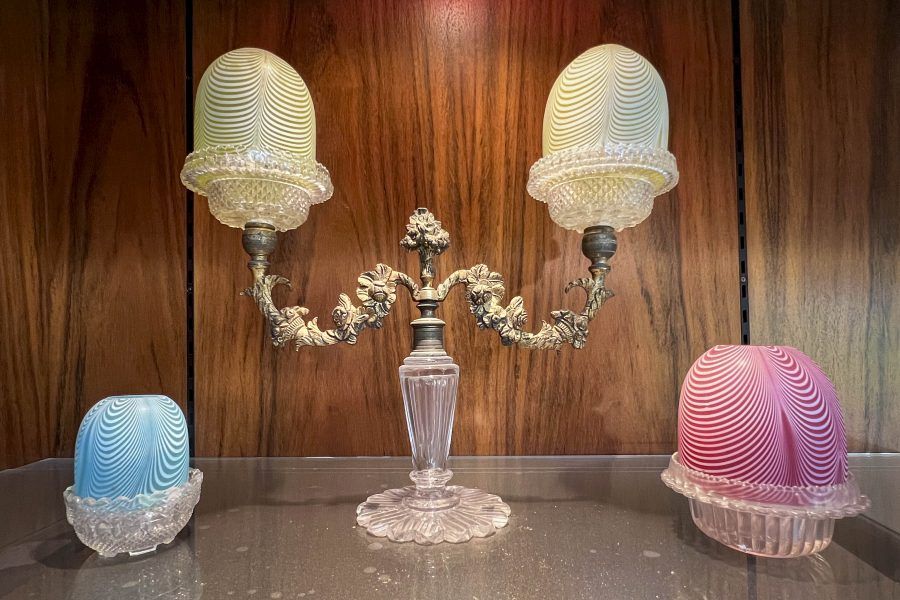
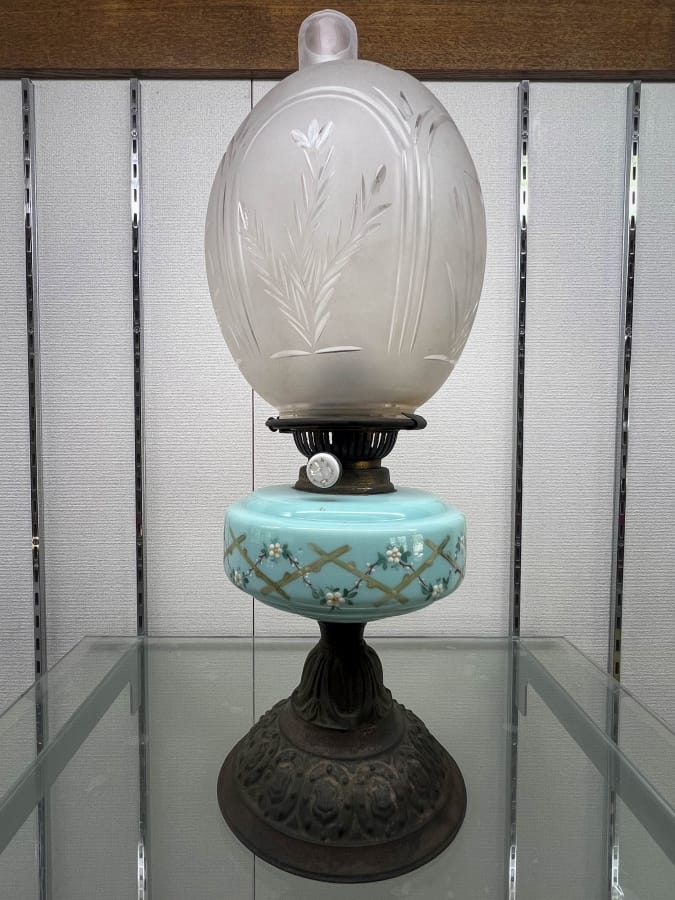
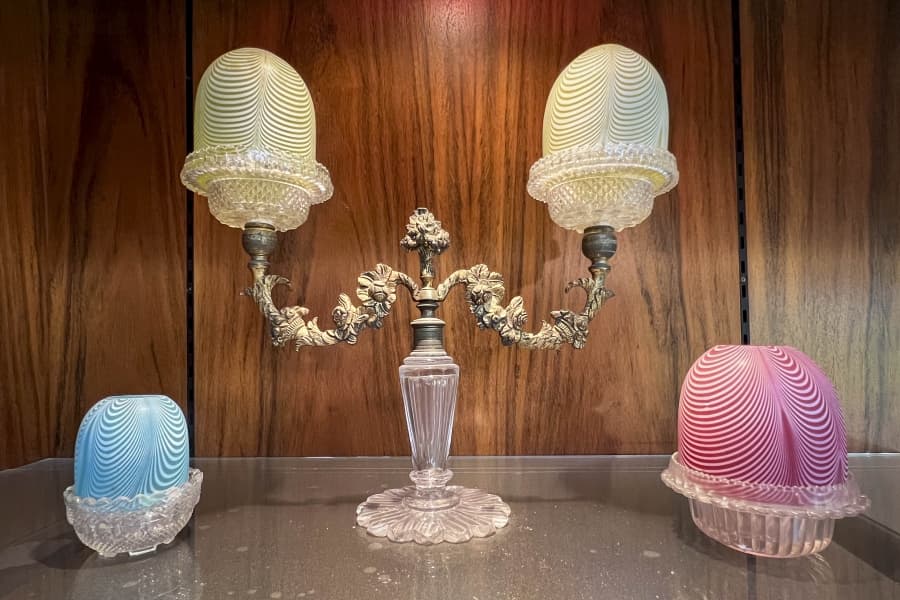
The Akari-no-Yakata is another relocated traditional house, originally the Yoshida family residence in Kaminoseki, Yamaguchi Prefecture. The Yoshidas were prosperous merchants and village officials during the Edo period. The building houses a collection devoted to lighting, ranging from ancient lamps to traditional Japanese lighting equipment, and provides an opportunity to see the interior arrangement of a substantial traditional house.
The fourth building at Shōtō-en is the Kamagari Island Guard Station. Shimo-Kamagari was an important official sea station, and the guard station dealt with maritime traffic, crews, official goods and security. The original Hiroshima-domain building has disappeared, so the present structure was reconstructed using the surviving guard station at Kaminoseki as a reference.
Close to Shōtō-en is the Sannose Gohonjin Art and Culture Museum, built on the site of the former Sannose official inn. This provided accommodation for high-ranking travellers, including the officials and intermediaries accompanying the Korean missions. The present building combines the appearance of an Edo-period lodging facility with an art and cultural exhibition space.
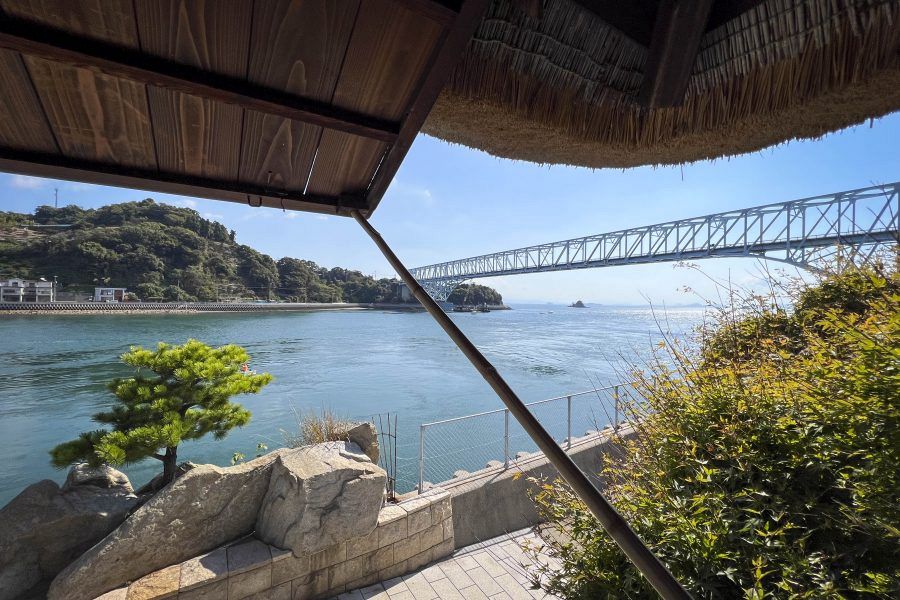
The Rantōkaku Museum is a traditional-style wooden museum devoted to Japanese modern art. Its collection includes Japanese paintings, oil paintings, prints and drawings, with exhibitions changing periodically. The Rantōkaku Museum Annex stands on higher ground and is associated particularly with the Western-style painter Terauchi Manjirō. Its exhibitions include his paintings and drawings, particularly his studies of the human figure. The elevated position also provides views across the strait towards Kamagari Bridge.
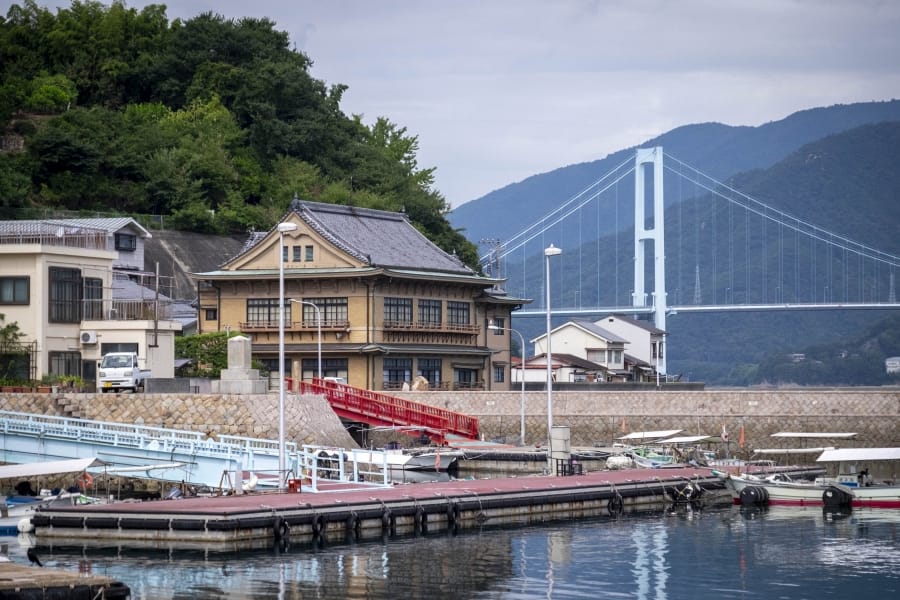
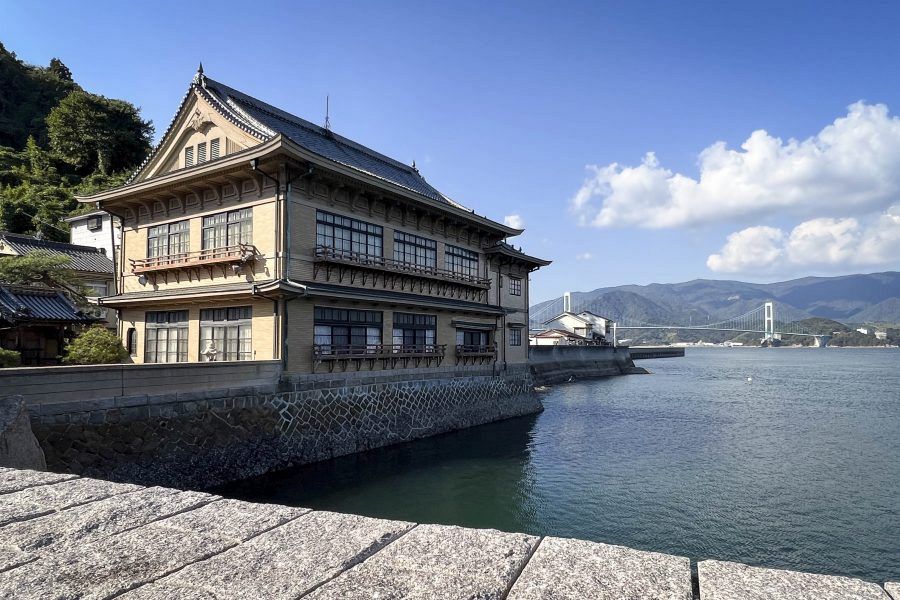
Kanrankaku is one of the most unusual buildings on the island, and the first that you see as you enter the district. This two-storey villa was built as a private residence for Sakakitani Senjirō, who served as chairman of the Manchuria Civil Engineering and Construction Association. Built in the early Shōwa period, it has a striking exterior incorporating Chinese brick-building motifs, unusual among the traditional Japanese buildings around Sannose. Its seaside position and combination of Japanese timber construction with Chinese-inspired design give it a markedly different character from the Edo-period houses nearby.
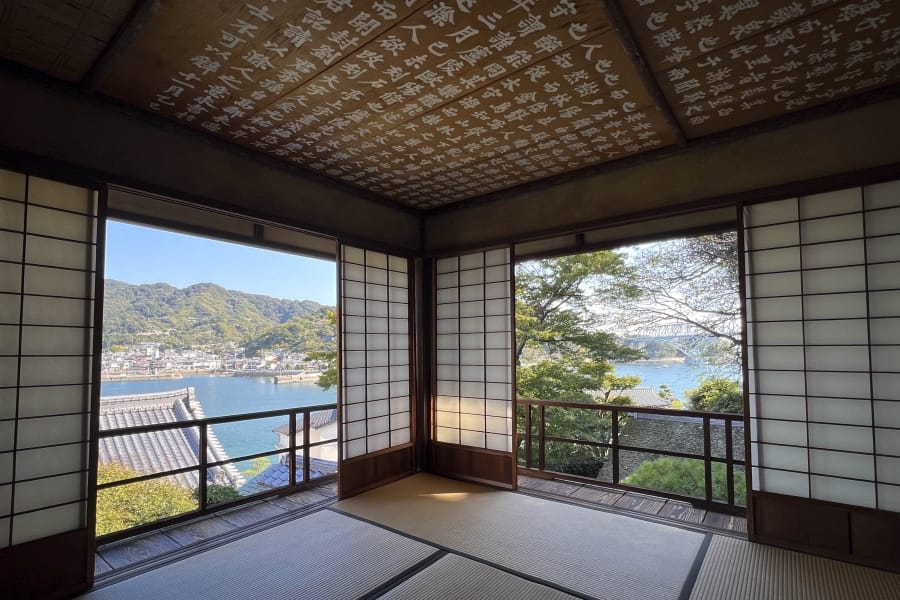
Hakusetsurō, also known as Ryūshunkyo, is a small historic building associated with scholarship and tea culture. It originated in the late Edo period, when the wealthy Yamaji family moved a building from Kyoto and adapted it as a place for the study of Chinese learning. Its compact rooms, traditional tea-room features and ingenious revolving wall are notable examples of late-Edo architecture.
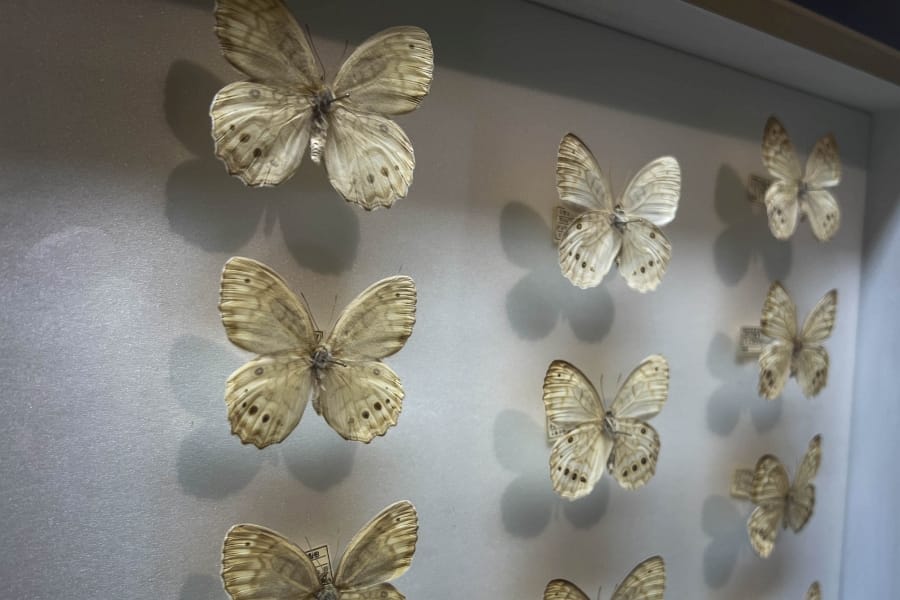
The House of Insects, Gangu-an, displays specimens of insects found on Shimo-Kamagari, including small insects, Japanese dragonflies and butterflies, as well as examples from elsewhere in the world. Its garden contains plants favoured by butterflies.
Several less conspicuous remains help explain the island’s history. The Sannose Korean Envoys’ Lodging Site is a prefectural historic site. The original lodging buildings have disappeared, but sections of stone wall and the stone-paved route leading uphill towards the former Kami-no-Ochaya remain. At the waterfront, the surviving stone steps of the old landing place show how the large delegations arrived from the Inland Sea. The Fukushima Gangī, or long stone landing steps, dates from the early Edo period and allowed vessels to approach the shore directly.
The significance of Shimo-Kamagari lies in the concentration of surviving and reconstructed buildings around Sannose. Ships carrying the Korean envoys arrived at the landing place, officials received the delegation, accommodation was provided at the official inn and tea houses, and food was prepared on an exceptional scale before the party continued eastwards through the Inland Sea. The later addition of buildings such as Kanrankaku shows how the same waterfront continued to develop long after the diplomatic missions had ended. Together, the sites provide an unusually clear picture of Shimo-Kamagari as both an Edo-period maritime station and a place where Japanese, Korean, Chinese and later Western architectural and cultural influences met. Sannose, with its historical focus on foreign visitors, makes an interesting contrast with the port of Mitarai, further along the Tobishima Kaidō, whose hospitality was directed at native Japanese plying the Inland Sea.
Information
Name in Japanese: 下蒲刈島
Pronunciation: shi-mo kama-gari jee-ma
Address: Shimo-Kamagari Island, Kure, Hiroshima prefecture