Imabari
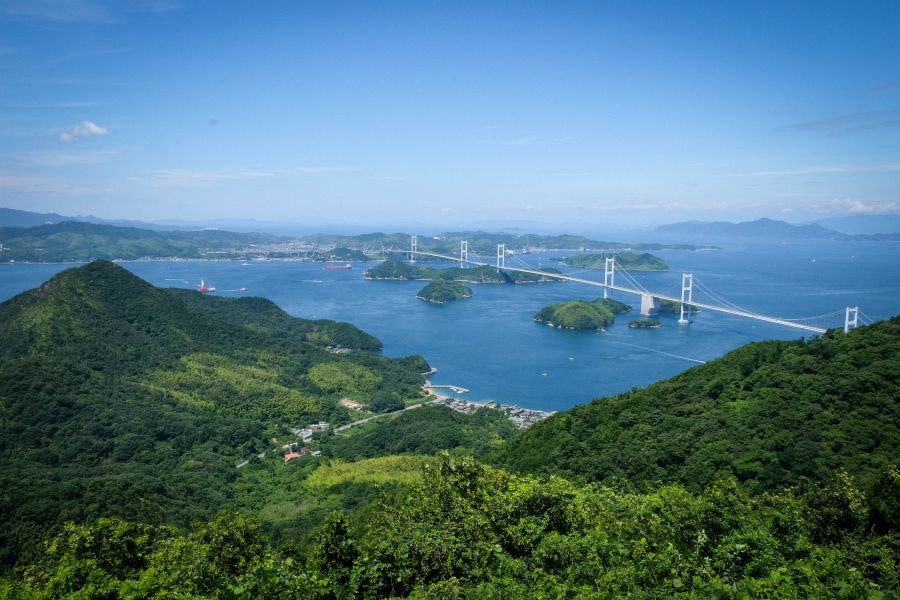
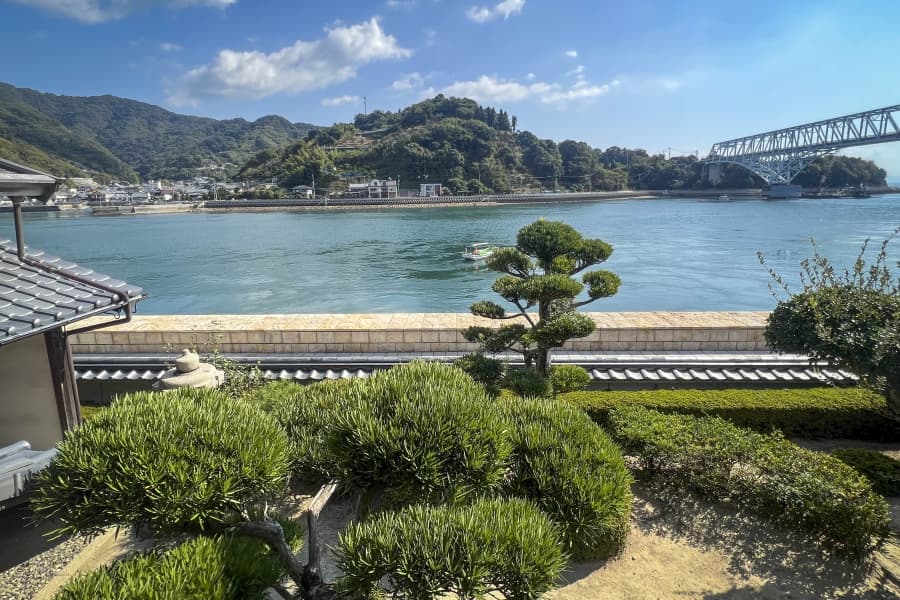
Imabari is a port city on the north-western shore of Shikoku, facing the Seto Inland Sea. Positioned along the Kurushima Strait, Imabari is the southern terminus of the Shimanami Kaidō, a highway with cycle paths linking Shikoku to Honshū via a sequence of six islands and multi-span suspension bridges. The urban area combines shipbuilding, a castle, and traditional textile production.
A city shaped by the sea
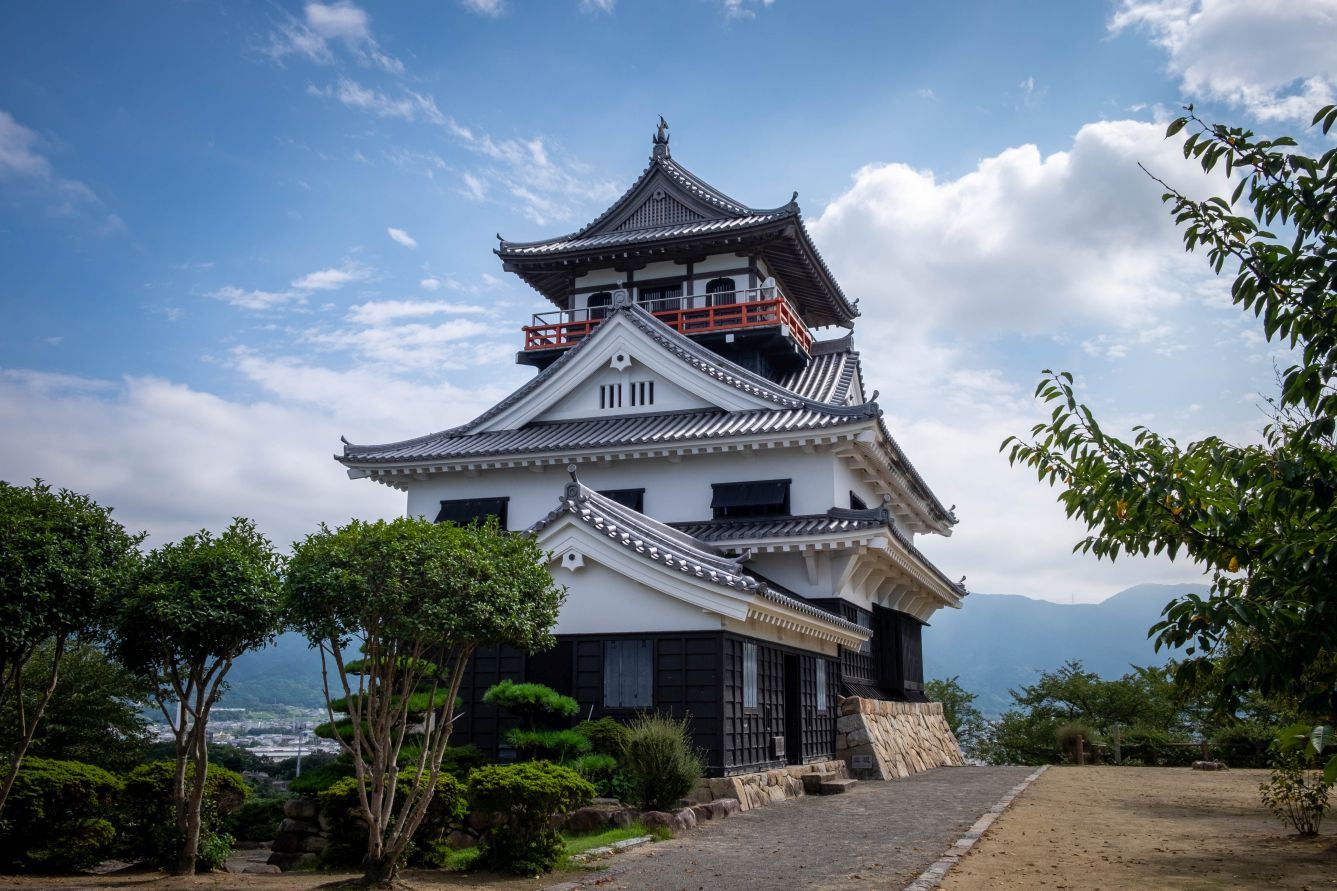
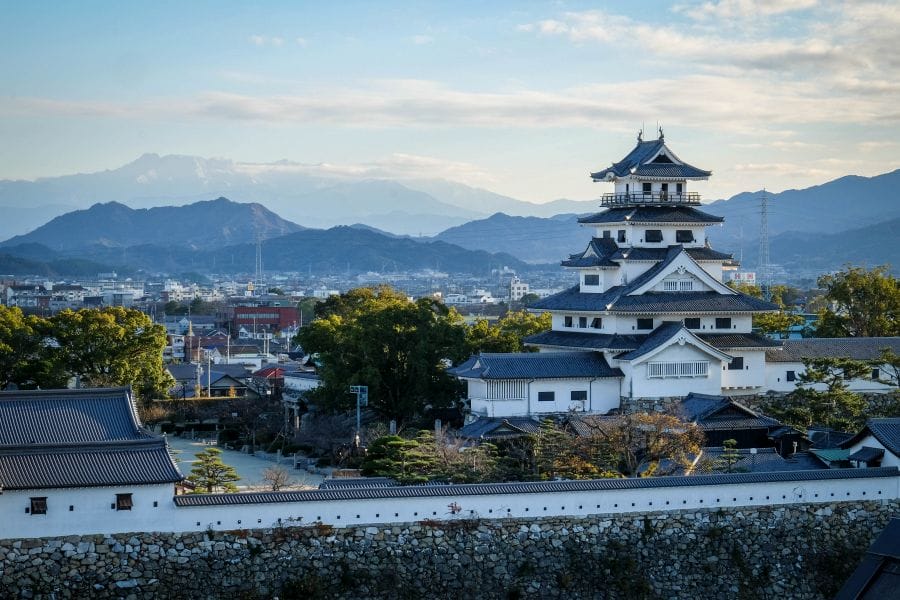
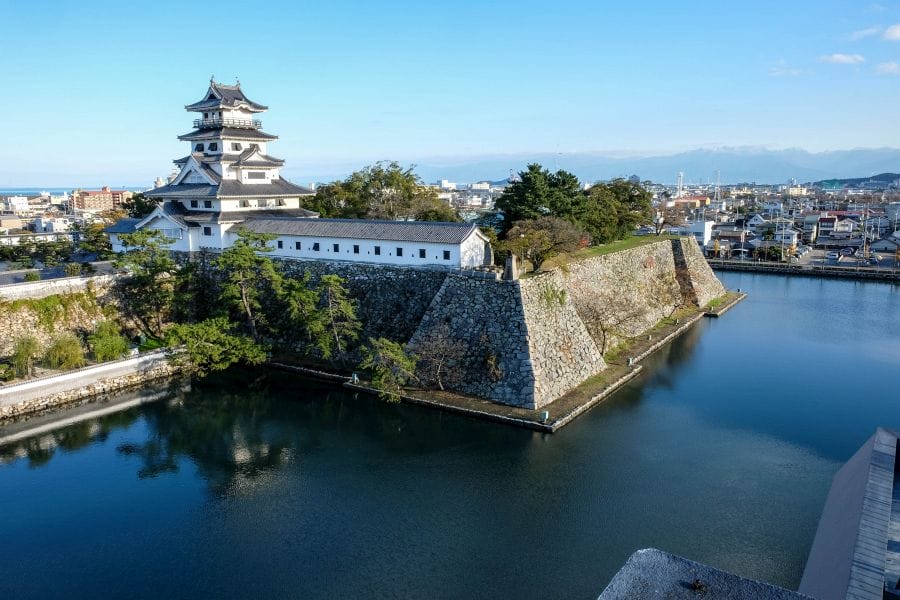
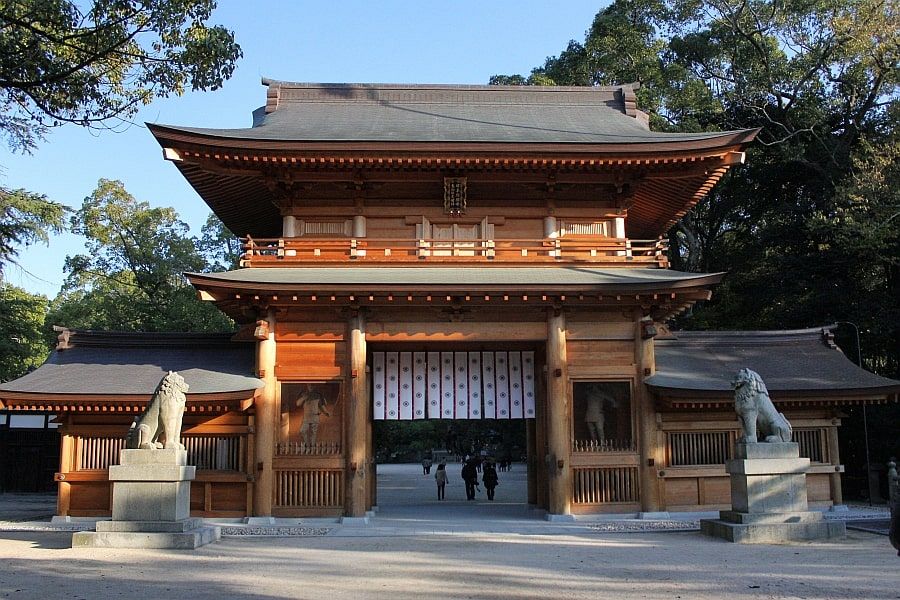
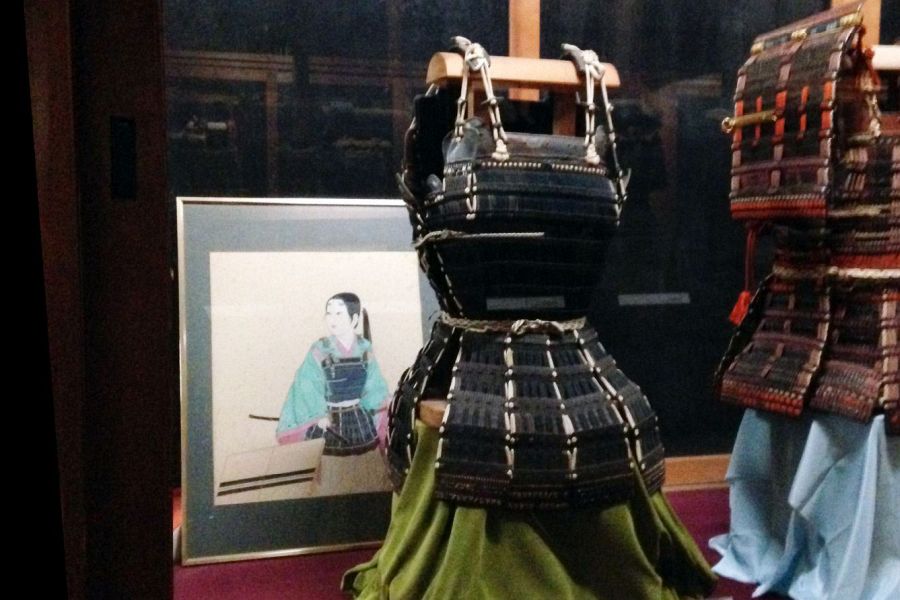
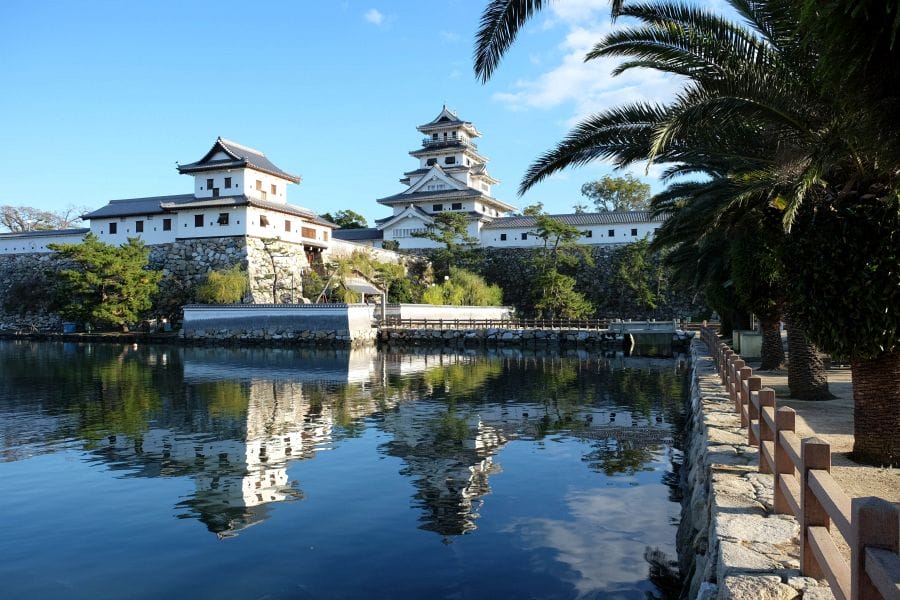
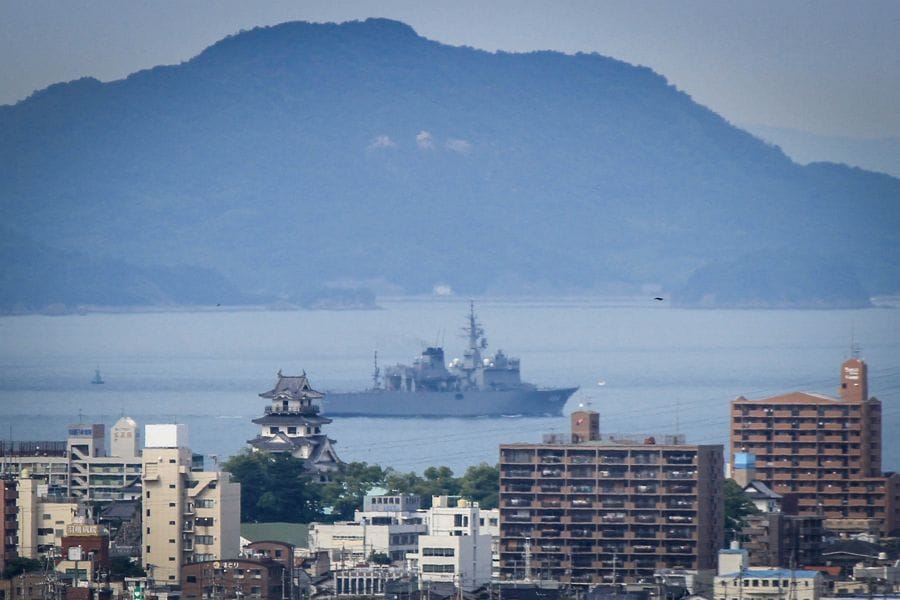
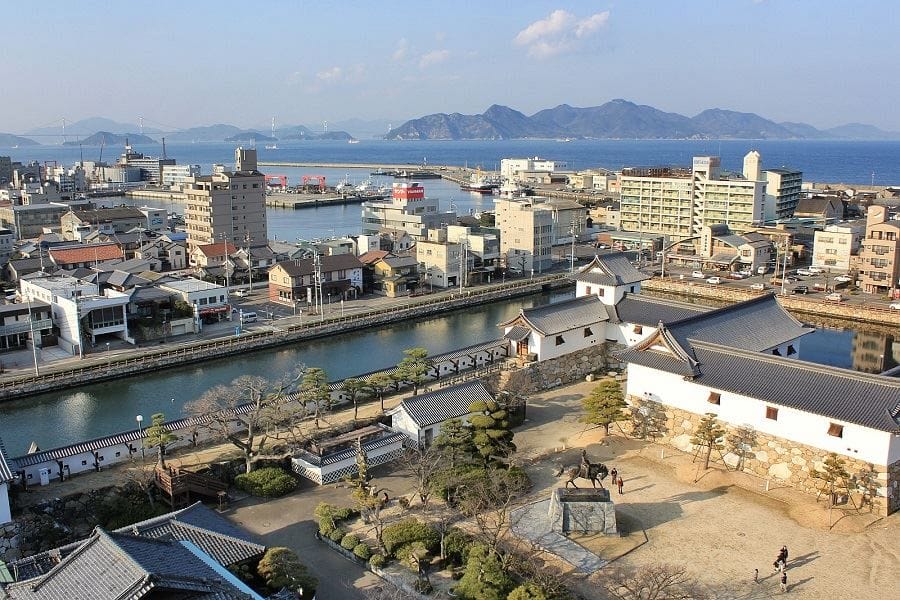
The city’s layout reflects its strategic position beside sea channels. Near the port stands Imabari Castle, built in 1604 under the direction of the feudal lord and castle architect Tōdō Takatora. The fortress employs a rare coastal design known as a mizujiro, or sea castle, where seawater from the Seto Inland Sea flows directly into the wide moat. This design permitted ocean-going vessels to sail directly into the inner enclosure. Although the original wooden keep was dismantled during the Meiji period, a five-storey concrete reconstruction built in 1980 houses historical weapons, samurai armour, and calligraphy, while the surrounding stone ramparts and water-filled moats retain their seventeenth-century dimensions. North of the city centre, the Kurushima Kaikyō Bridge spans the wide Kurushima Strait, a channel with rapid tidal currents that reach speeds of ten knots. Dedicated cycling lanes and pedestrian paths run alongside the highway lanes on the bridges, linking the islands of Ōshima, Hakatajima, and Ōmishima. On Ōmishima, the ancient Ōyamazumi Shrine sits within a grove of ancient camphor trees. The shrine’s treasure hall preserves roughly eighty percent of Japan’s designated national treasure armour and blades, donated by medieval military commanders seeking victory at sea.
Pirates and shipyards
Imabari’s historical development relied on sea trade, coastal defence, and industrial manufacturing. During the Sengoku period in the sixteenth century, control of the region belonged to the Murakami Suigun, an alliance of seafaring families who functioned as naval forces across the Seto Inland Sea. Operating from island fortifications such as Noshima, the Murakami Suigun controlled trade passages, levied tolls, and provided navigational assistance through treacherous currents.
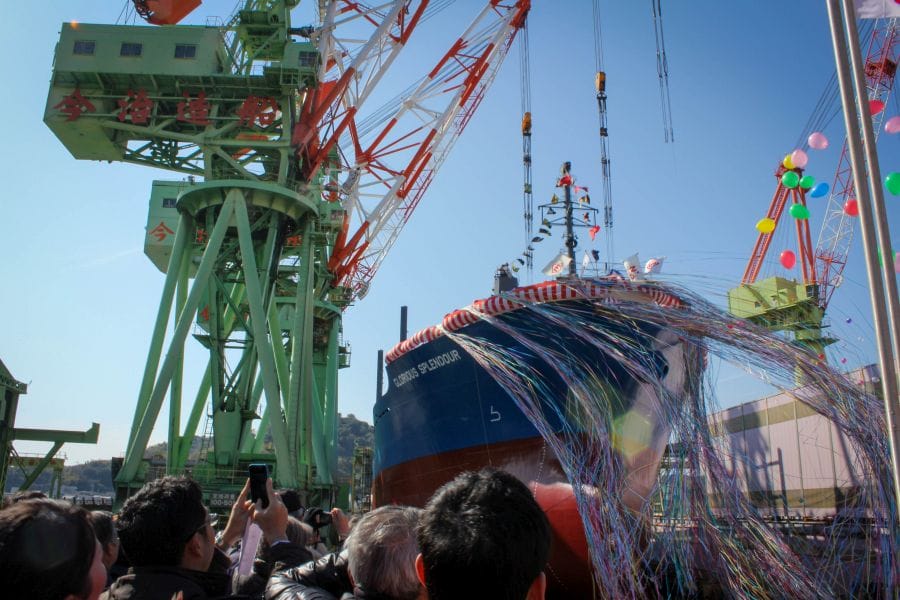
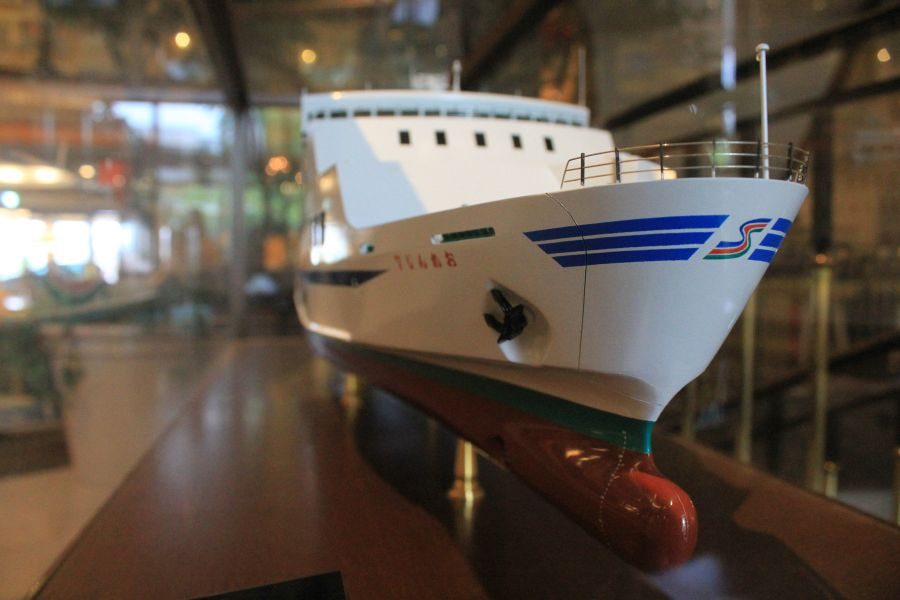
Following the unification of Japan, these maritime traditions evolved into modern shipping and commercial shipbuilding enterprises. Massive dry docks and ironworks line the shore north and west of the city port, where towering gantry cranes assemble large container ships, tankers, and bulk carriers. Local shipyards produce roughly twenty percent of Japan’s commercial fleet.
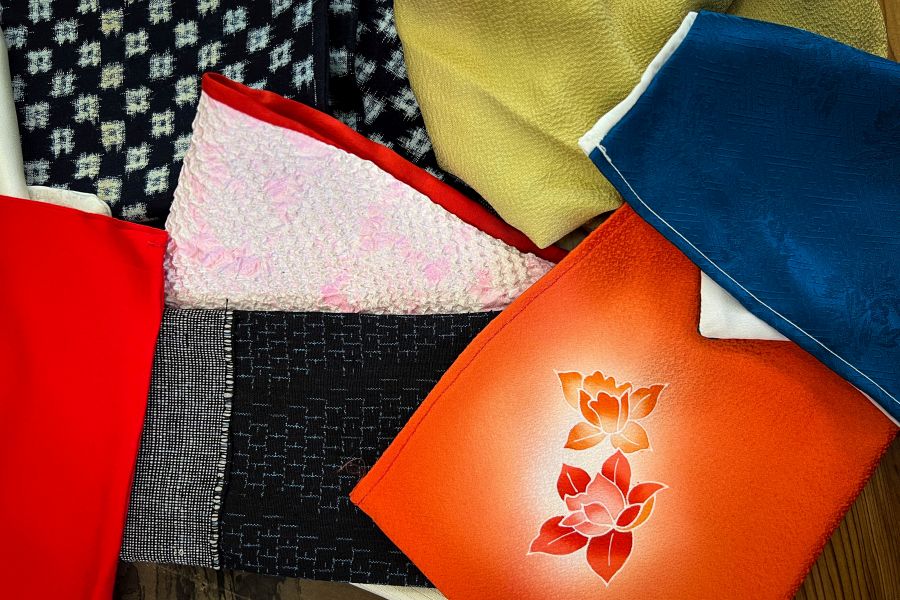
Alongside shipbuilding, the city developed a world-leading towel manufacturing industry during the late nineteenth century. The abundance of soft groundwater from the Sōja River system allows textile mills to wash, bleach, and dye cotton fibres with high consistency. Local textile centres like the Towel Museum of Art display traditional weaving looms, high-speed automated machinery, and document the strict certification protocols that govern the region’s high-absorbency cotton fabrics. The Imabari Towel brand is recognised throughout Japan and beyond.
A hearty culinary tradition
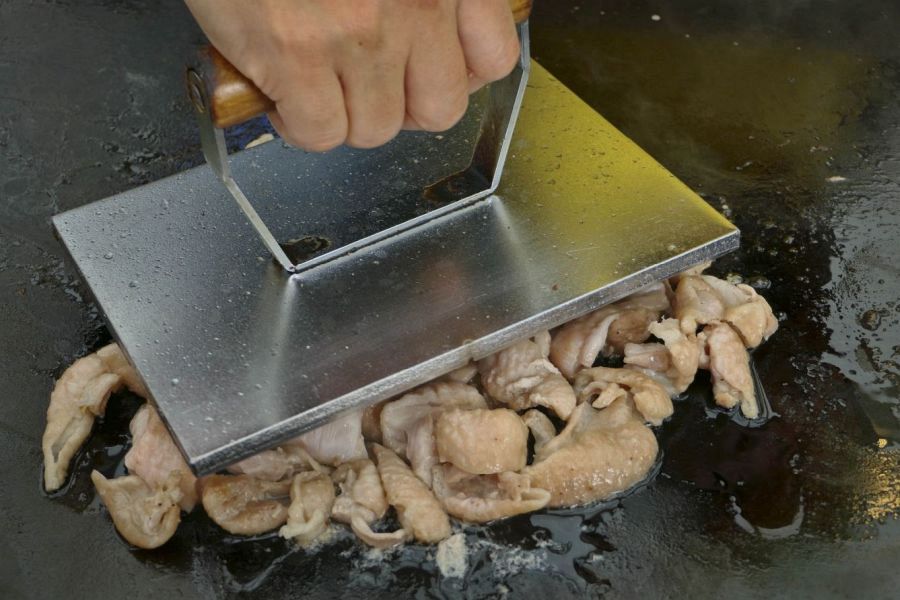
The local food reflects the habits of Imabari’s industrial and seafaring labour force, emphasising rapid preparation, rich sauces, and local seafood. Yakitori in Imabari differs from standard Japanese charcoal skewers. Cooks grill chicken pieces on a broad, flat iron hotplate, pressing the meat down with heavy iron weights to cook it rapidly and create crisp skin. Local eateries serve this dish with a sweet soy-based sauce and raw cabbage slices.
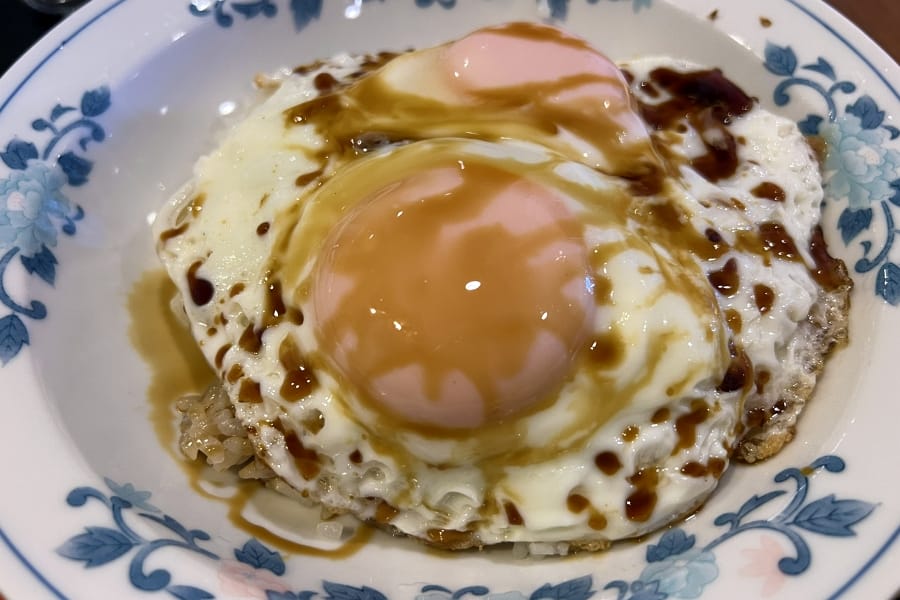
Another local staple, yakibuta tamago meshi, was originally developed as a quick meal for restaurant staff in the mid-twentieth century. The dish consists of a bed of rice topped with thin slices of slow-roasted pork belly, two fried eggs, and a sweet soy gravy.
The waters around Imabari provide a steady supply of sea bream, known locally as tai, which features prominently in regional cooking. Imabari taimeshi involves cooking whole sea bream with rice, kelp broth, and soy sauce in an earthenware pot, serving the flaked fish mixed directly into the seasoned rice.
Pilgrimage temples and more
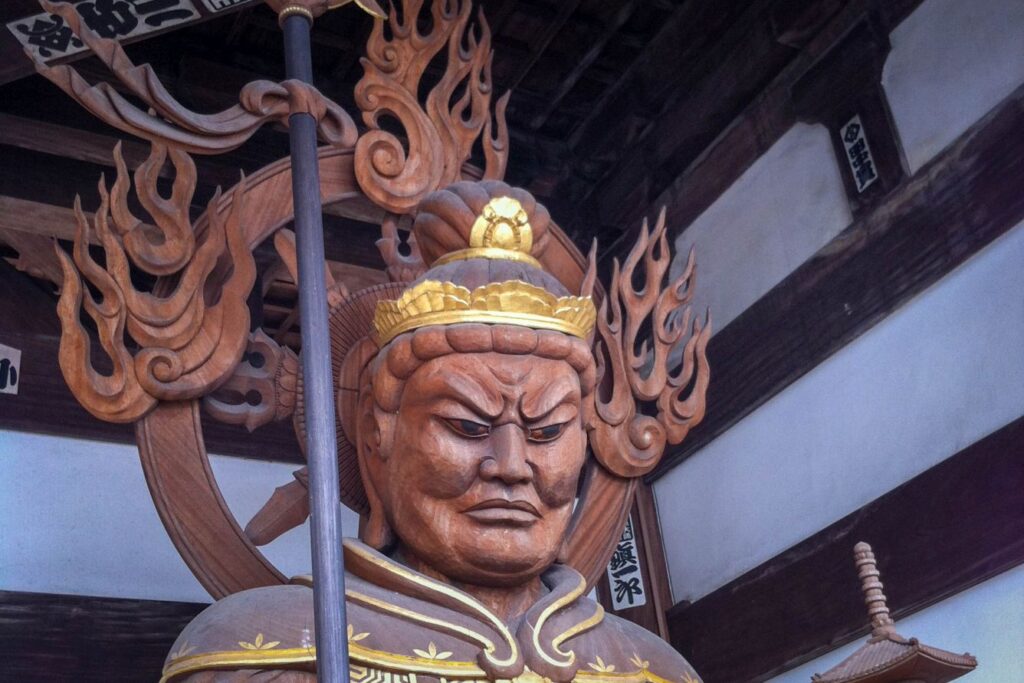
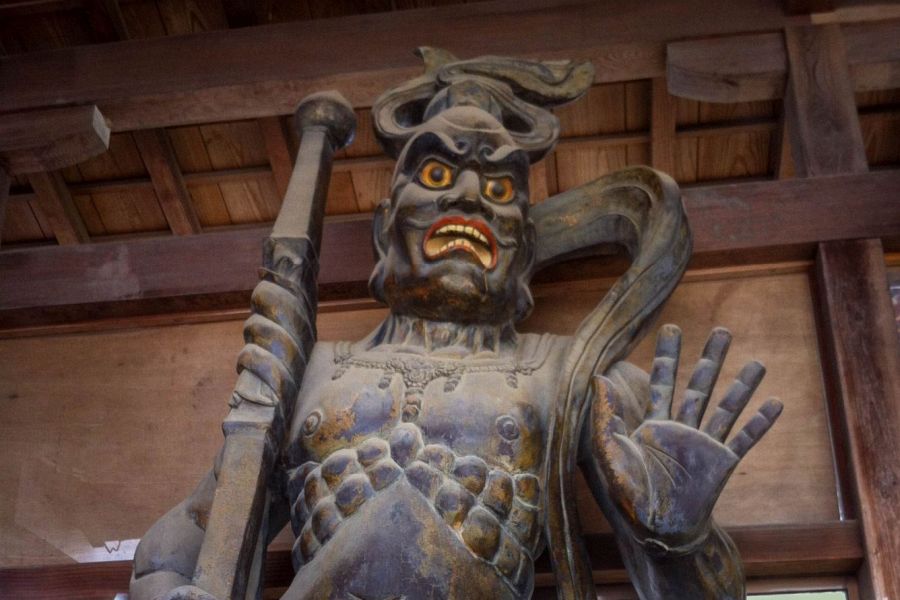
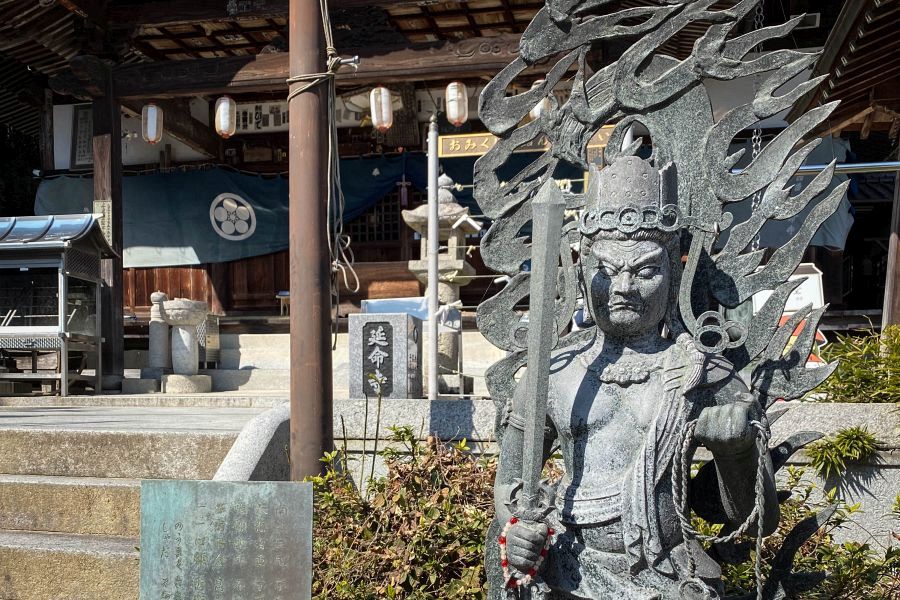
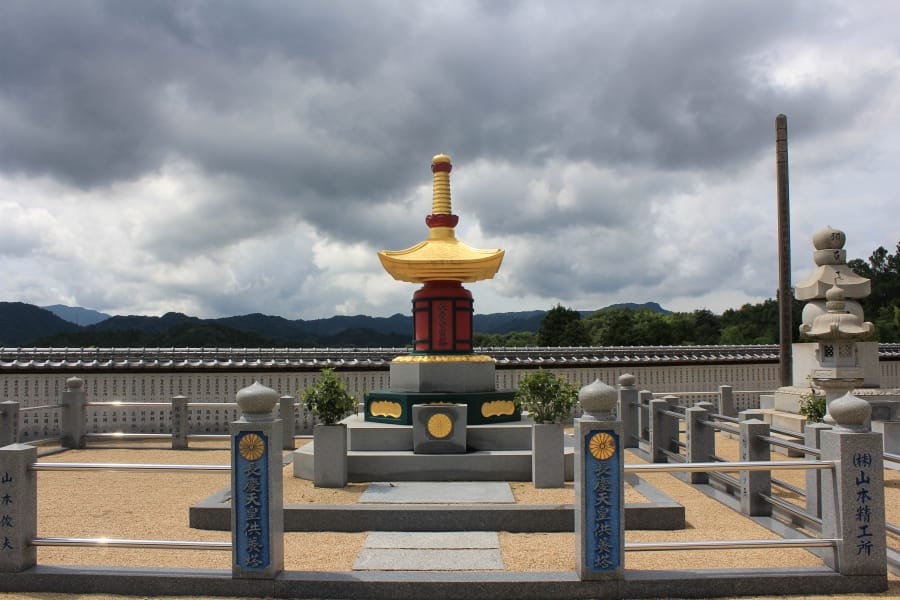
Six of the eighty-eight temples of the Shikoku Pilgrimage are located in the city and countryside of Imabari: Enmei-ji, Nankōbō, Taisan-ji, Eifuku-ji, Senyū-ji, and Iyo Kokubun-ji. Nankōbō and Senyū-ji are particularly notable for their dynamic carvings of angry gods. At Kōrin-ji Temple in Tamagawa, there’s an impressive memorial to Emperor Chōkei who took refuge there during the turmoil between the Northern and Southern courts
Flamboyant festivals
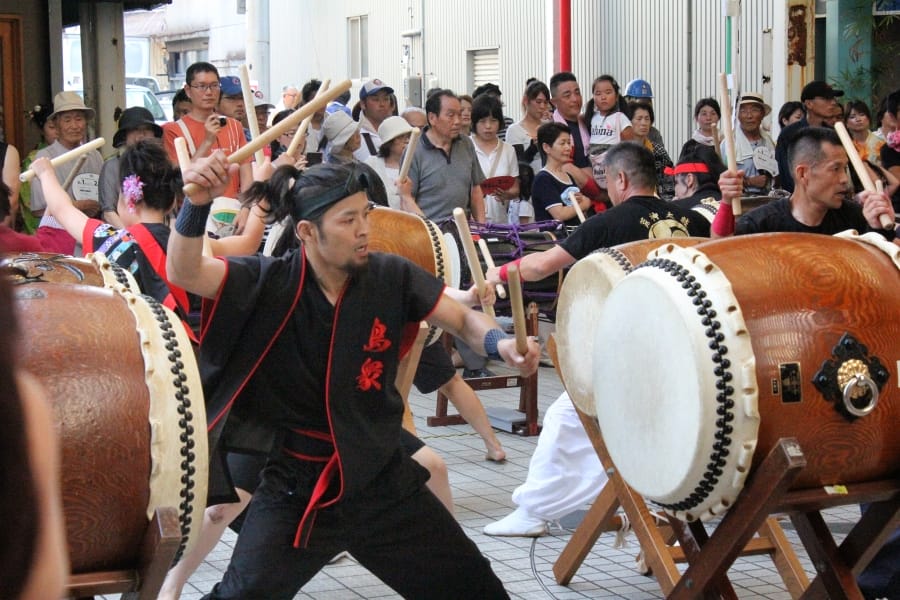
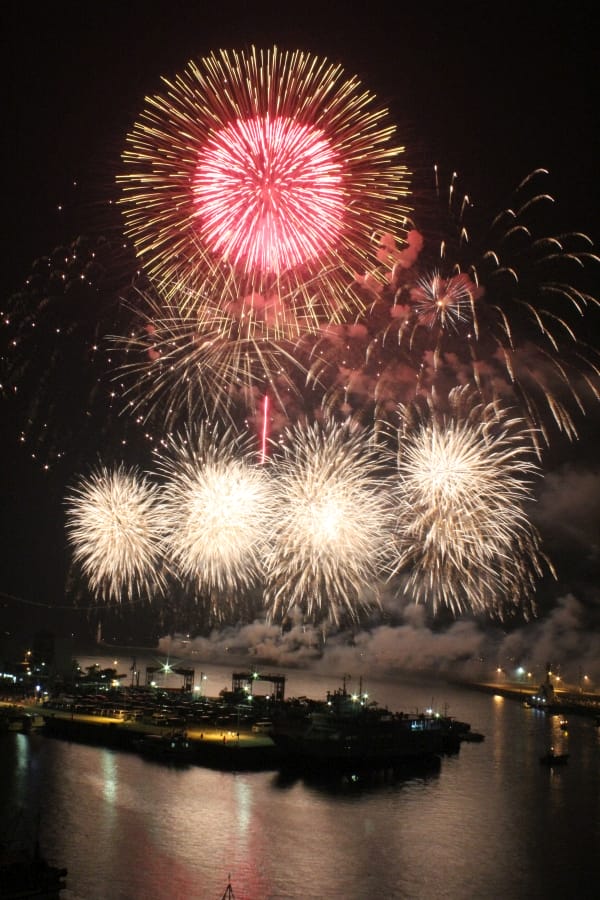
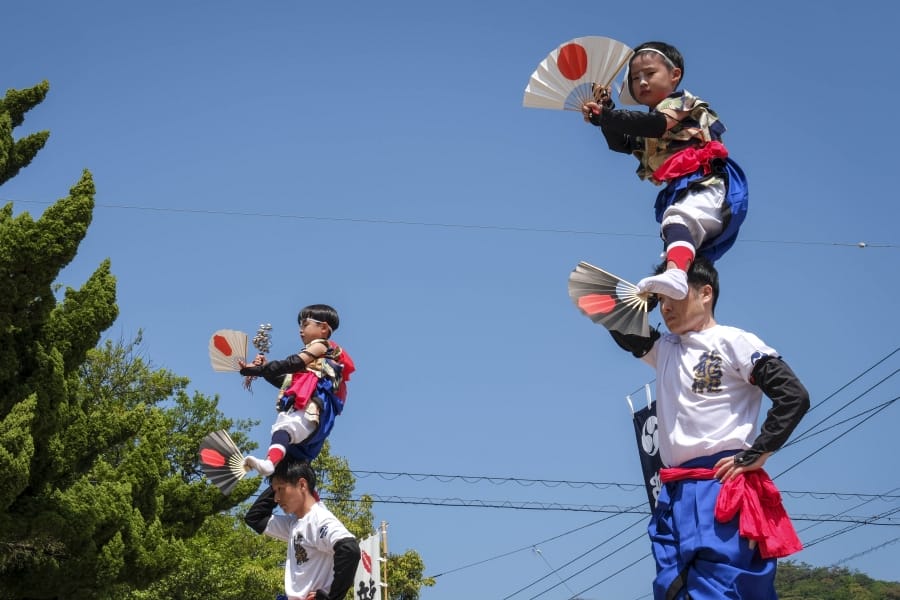
Seasonal festivities, such as the summer Onmaku Festival, take place around the central harbour, with traditional taiko drum performances and large-scale fireworks launched over the port. The spirit of Imabari is symbolised by the locals’ propensity to make towers of people four high, topped with a small boy in a lion mask with a fan held between his toes. At Kikuma, brave young boys ride horses helter-skelter up the slope to a rural shrine.

Information
Name in Japanese: 今治
Pronunciation: eema-baree
Address: 1-729 Kitahōrai-chō Imabari, Ehime 794-0028