Nagasaki Museum of History and Culture
The Museum of History and Culture is the city’s main institution for interpreting Nagasaki’s past as Japan’s most internationally connected port with a focus on the 16th to the 19th centuries.

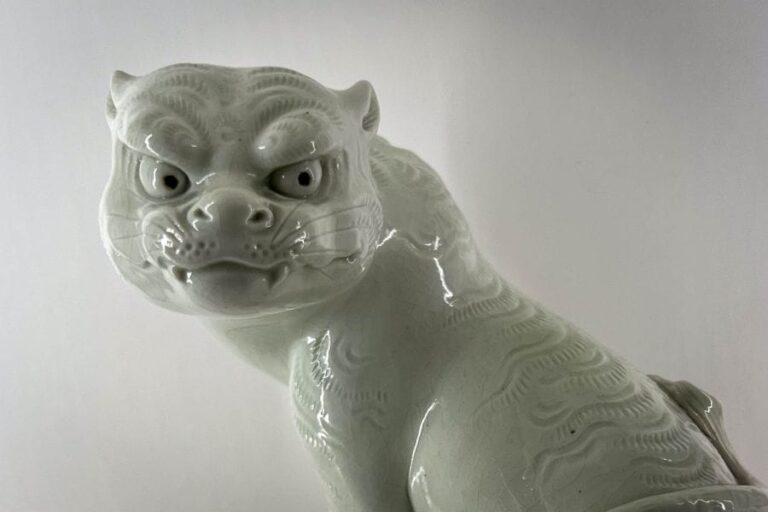
The Museum of History and Culture is the city’s main institution for interpreting Nagasaki’s past as Japan’s most internationally connected port with a focus on the 16th to the 19th centuries.
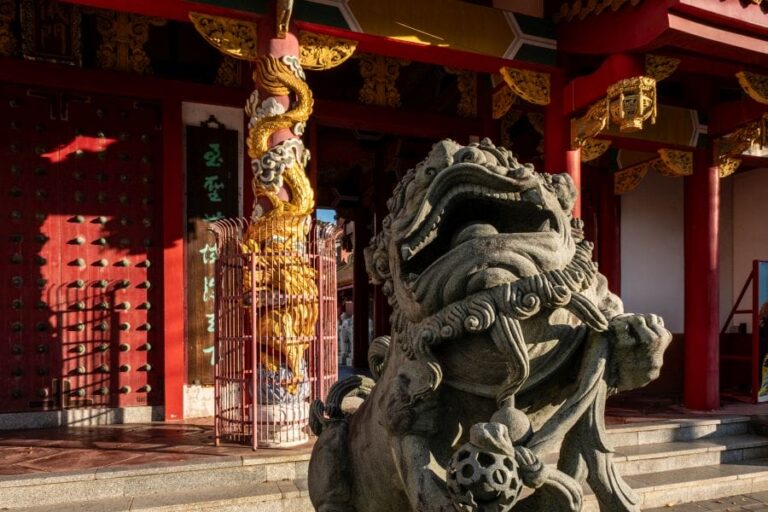
The Nagasaki Kōshibyō is a Confucian shrine and museum complex located in the Ōura district of Nagasaki, near the former foreign settlement. It’s one of the most distinctive Chinese heritage sites in the city.
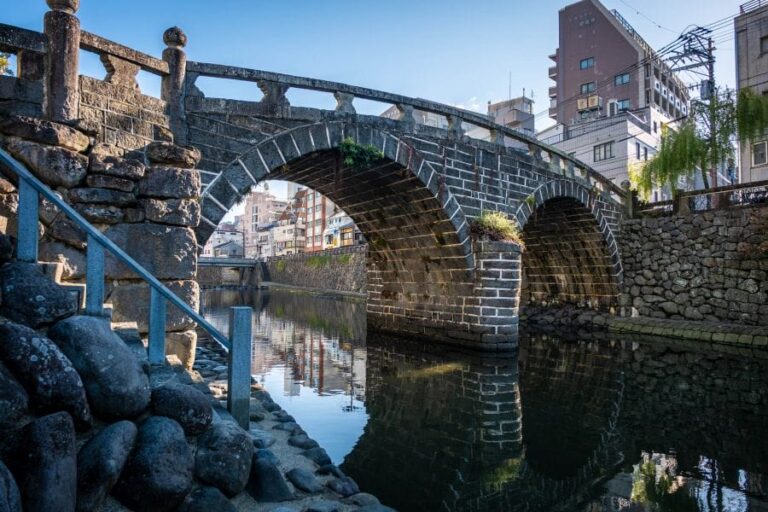
The Nakashima River runs through the center of Nagasaki City, and along its course are a series of stone bridges that form one of the most distinctive urban landscapes in Japan.
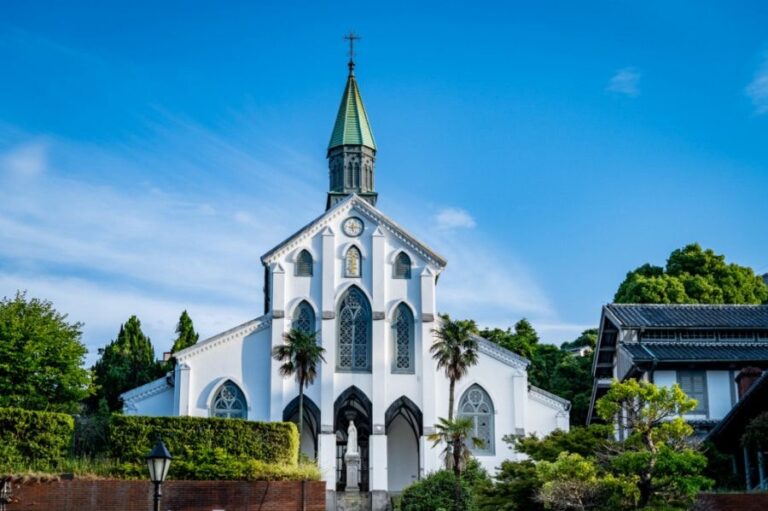
Ōura Cathedral is the oldest surviving Christian church in Japan and one of Nagasaki’s most important historical and religious landmarks.
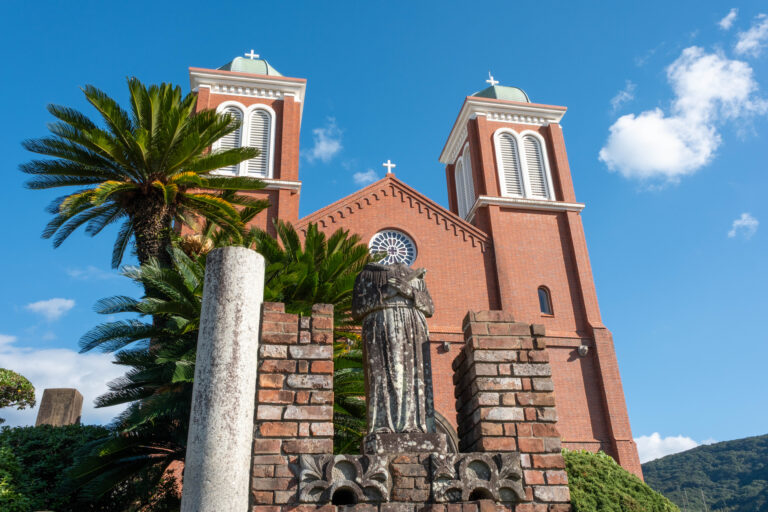
Dejima is a historic trading post in Nagasaki Bay that served as Japan’s sole official point of direct contact with the Western world for more than two centuries.
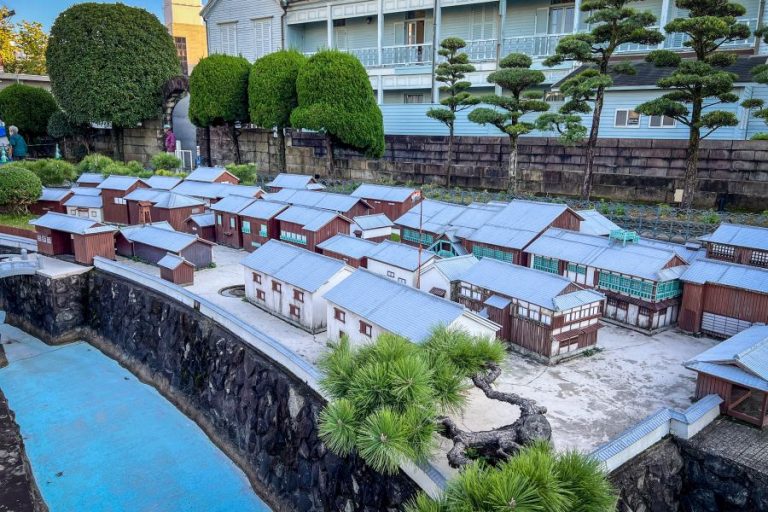
Dejima is a historic trading post in Nagasaki Bay that served as Japan’s sole official point of direct contact with the Western world for more than two centuries.
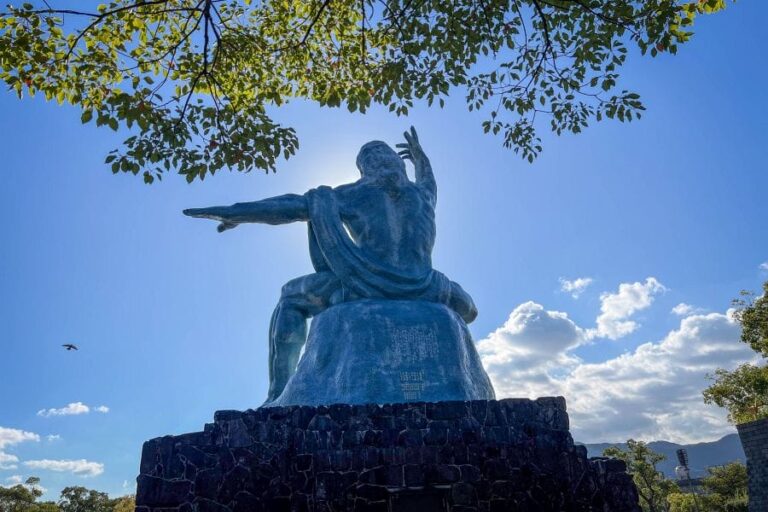
On August 9, 1945, the US dropped an atomic bomb over Urakami in the centre of Nagasaki. Today, a number of sites in Urakami commemorate the bombing.
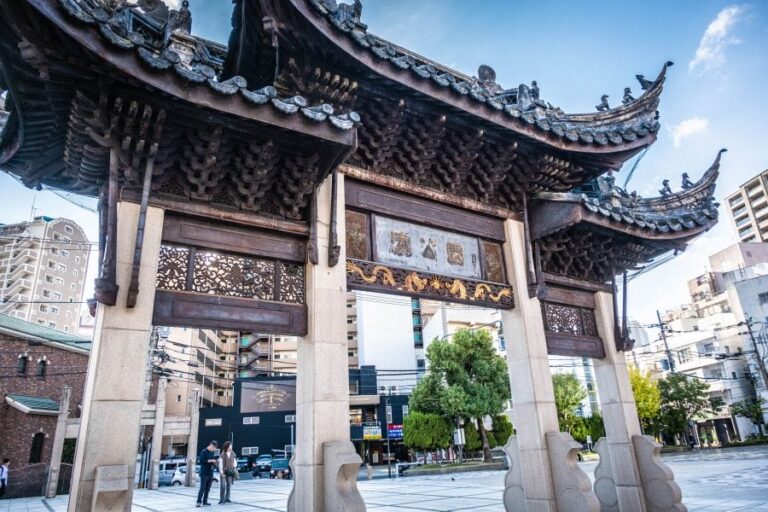
Nagasaki Chinatown is one of the oldest and most compact Chinatowns in Japan. Located near Nagasaki Port, it reflects the city’s long-standing connections with China.
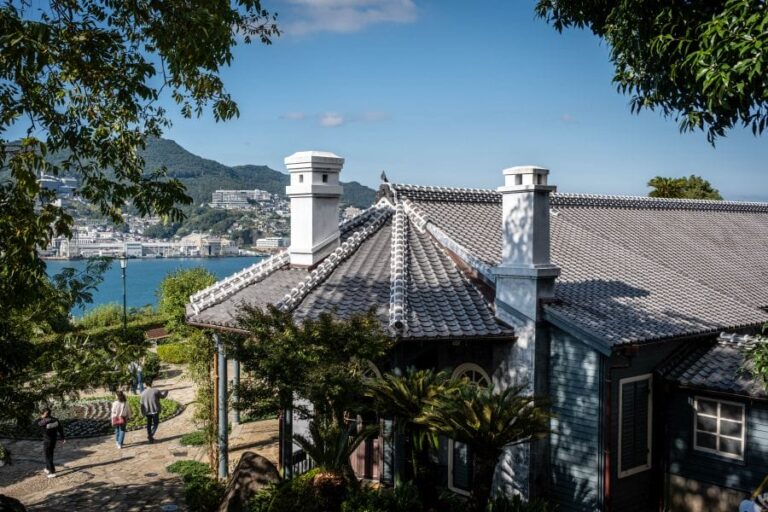
Glover Garden is an open-air museum in Nagasaki, overlooking the city’s harbour that preserves several Western-style residences from the late Edo and early Meiji periods,