Ehime Gokoku Shrine
At the end of the road in front of Ehime University, a large stone torii marks the entrance to Ehime Gokoku Shrine. Like most prefectures in Japan, Ehime has a Gokoku Shrine, a Shintō shrine established to enshrine people from the prefecture who died in wars and other national conflicts. The shrine’s main object of worship therefore includes the spirits of nearly 50,000 people from Ehime, although its present enshrined spirits also include people who contributed to the development of the local community and industry, as well as public servants who died in the course of their duties.
The shrine was originally established in 1899 by 188 local volunteers as a private shōkonsha, or shrine for enshrining the spirits of the war dead. It was subsequently designated as Ehime’s official Gokoku Shrine. The present shrine is particularly notable for the large number of memorials and surviving objects connected with Japan’s military history, especially the Second World War.
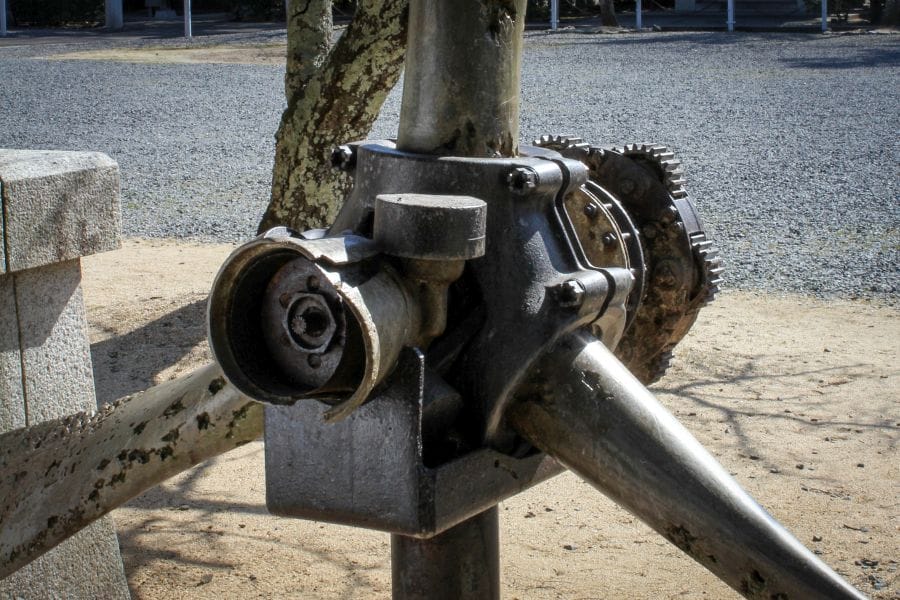
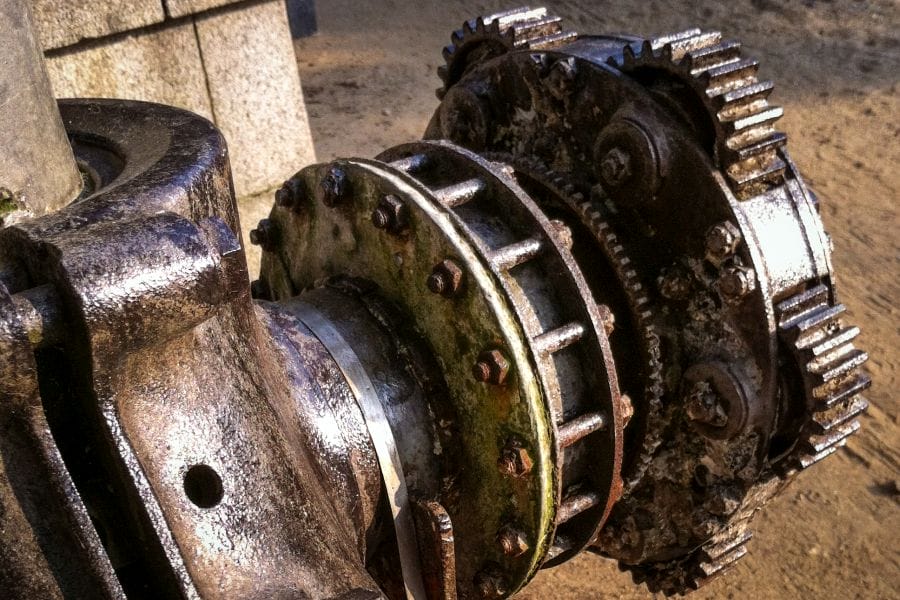
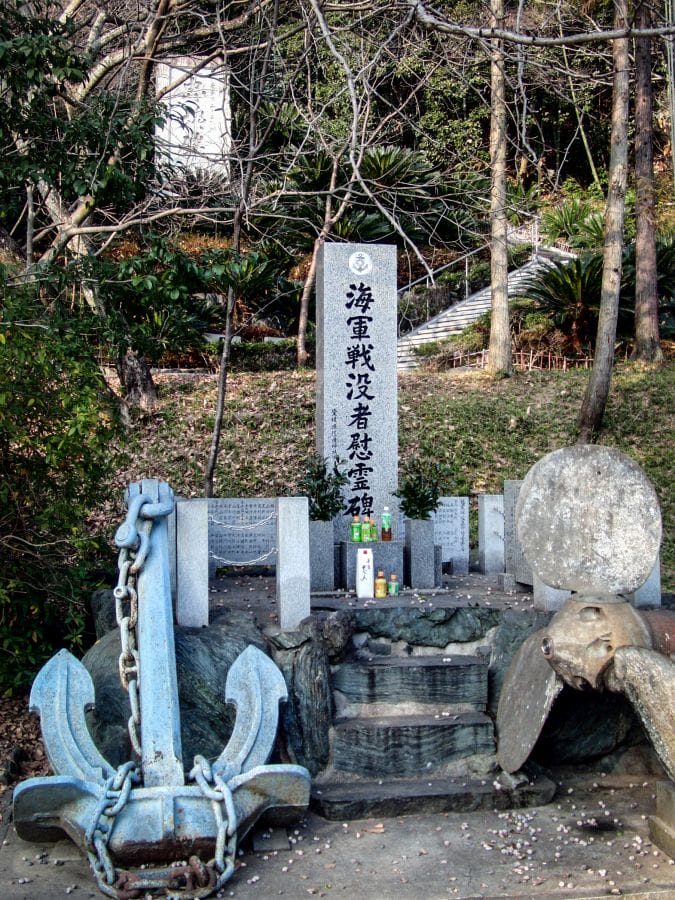
One of the most unusual objects is a three-bladed propeller from a Japanese Navy Zero fighter. In October 1968, a fisherman from Uwajima, recovered it from the western Uwa Sea after it became caught in his fishing net. He donated it to the Japan Ground Self-Defense Force’s Matsuyama Base, and it was moved to the shrine in September 2001. The propeller is a variable-pitch, constant-speed type. Its pitch could automatically be adjusted according to the aircraft’s speed, allowing the engine to maintain its optimum rotational speed. This was considered advanced technology when the Zero entered service.
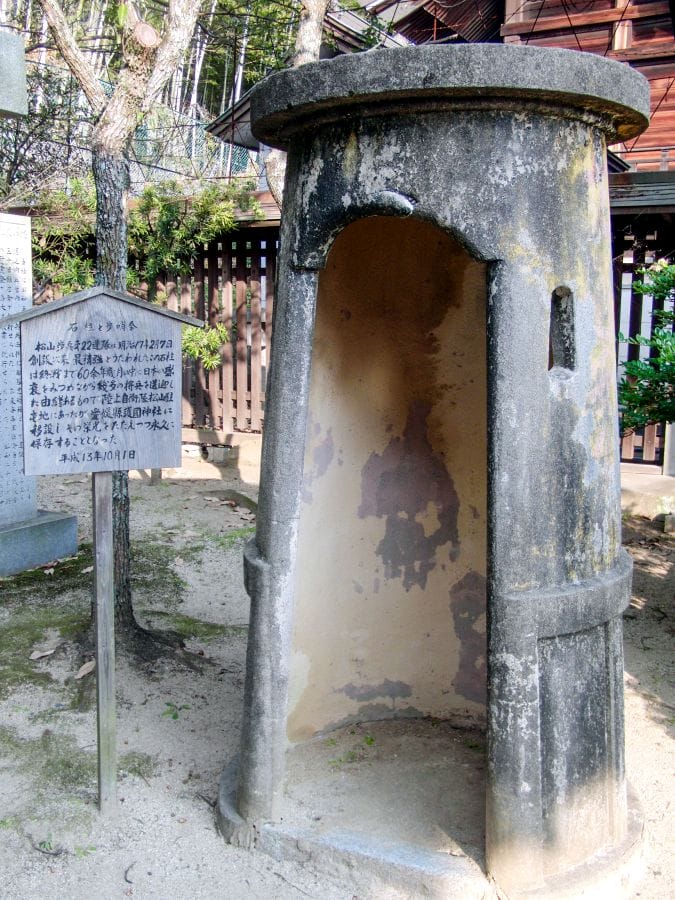
Nearby is a stone sentry box and a stone pillar associated with the former 22nd Infantry Regiment, which was based in Matsuyama. The regiment was established in 1884 and became known as one of the Japanese Army’s elite units. The pillar originally stood at the regiment’s former base and was moved to the shrine after the war. A small shrine called Chūkonsha, originally located inside the regiment’s barracks, was also moved here in August 1945.
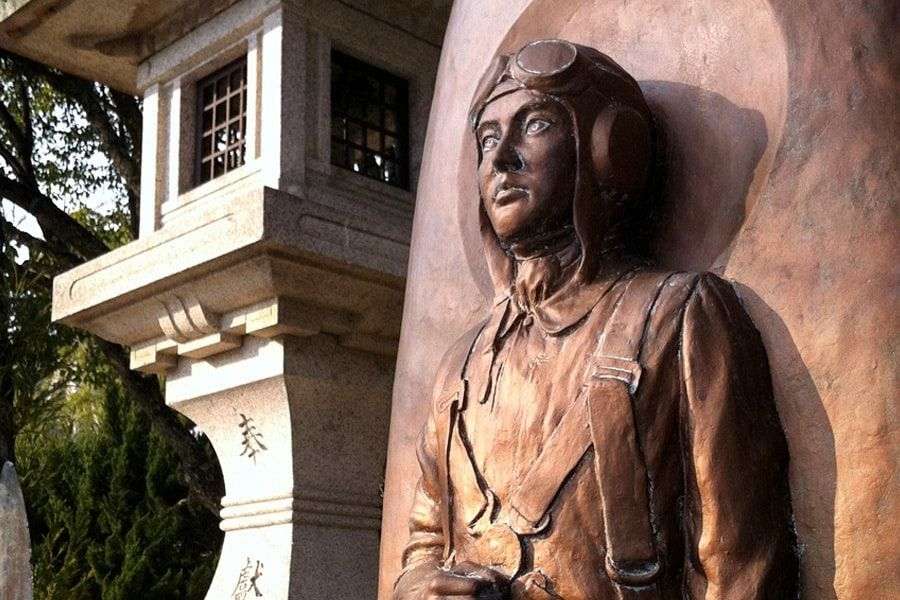
Perhaps the most conspicuous wartime monument is the Special Attack Corps Monument, erected in 2008. It consists of a bronze figure of a young pilot standing on a stone pedestal and commemorates 74 men from Ehime who died in tokkō, or special attacks, during the Second World War. The inscription on the front reads Ā tokkō (“Ah, Special Attacks”) and “We will never forget you”. The monument’s accompanying inscription describes the men as having sacrificed their lives for their country and expresses the wish that their spirit should be passed on to future generations.
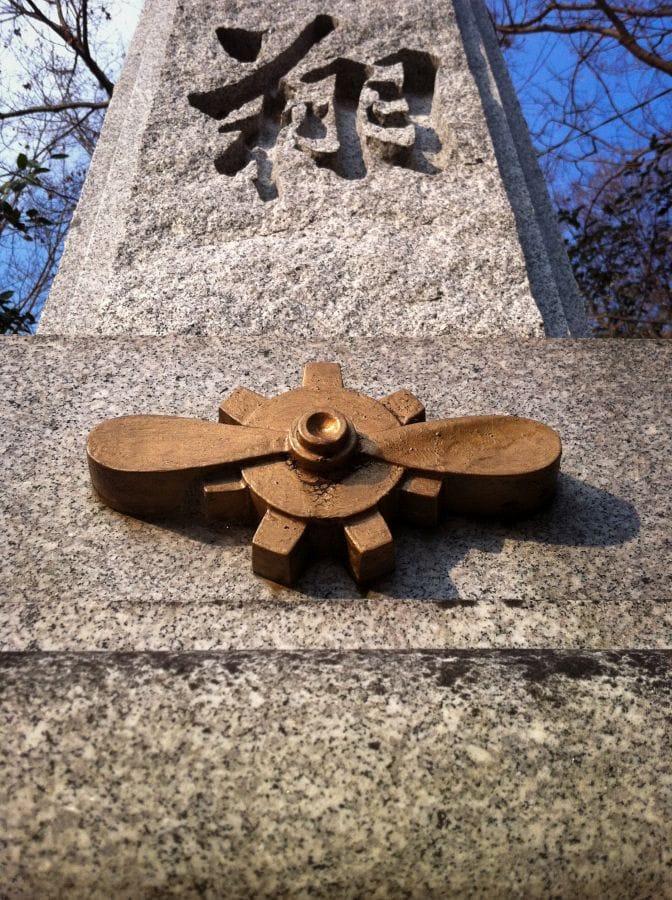
Behind the main shrine are numerous other memorials. Among the most distinctive is one dedicated to graduates of the Navy’s Yokaren, the Preparatory Flight Training Programme. Established in 1930, the system trained young men as naval airmen. The Ehime memorial was erected in 1989 and commemorates 110 Yokaren graduates from the prefecture who died in battle. Many of them subsequently served in the Special Attack Corps. Its inscription reflects the intensely nationalistic language of wartime Japan, describing the young airmen as the “core” of the Naval Air Corps and praising those who sacrificed their lives in battle and special attacks.
The concentration of military memorials is partly explained by Matsuyama’s importance as a military and aviation centre. The Matsuyama Naval Air Group was established in October 1943 to provide flight training for Navy personnel. Late in the war, the airfield became an important operational base. From January to April 1945 it was home to the Navy’s 343rd Air Group, commanded by Genda Minoru, which operated the advanced Shiden-Kai fighter against American carrier aircraft. The former airfield site is now occupied by Matsuyama Airport, but a separate monument commemorates the naval air group there.
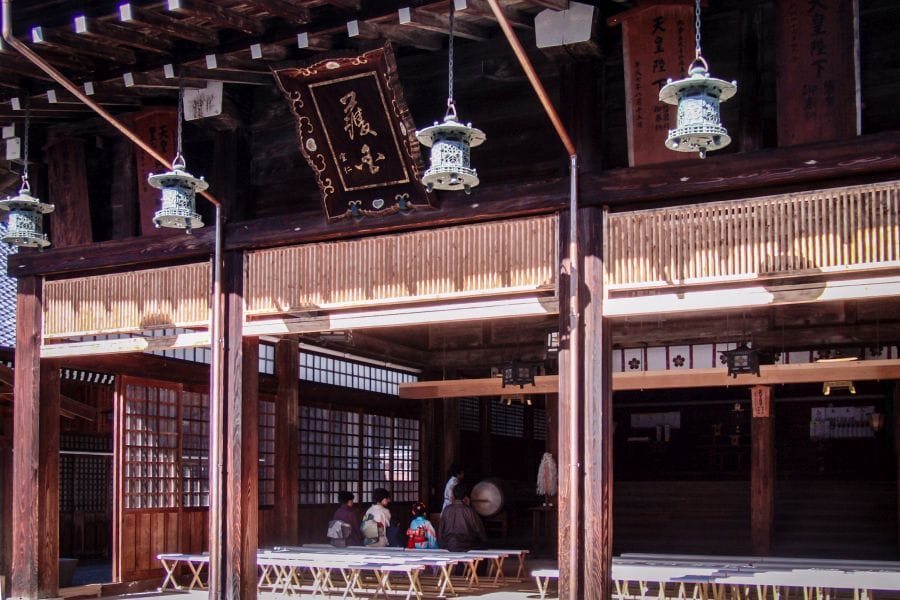
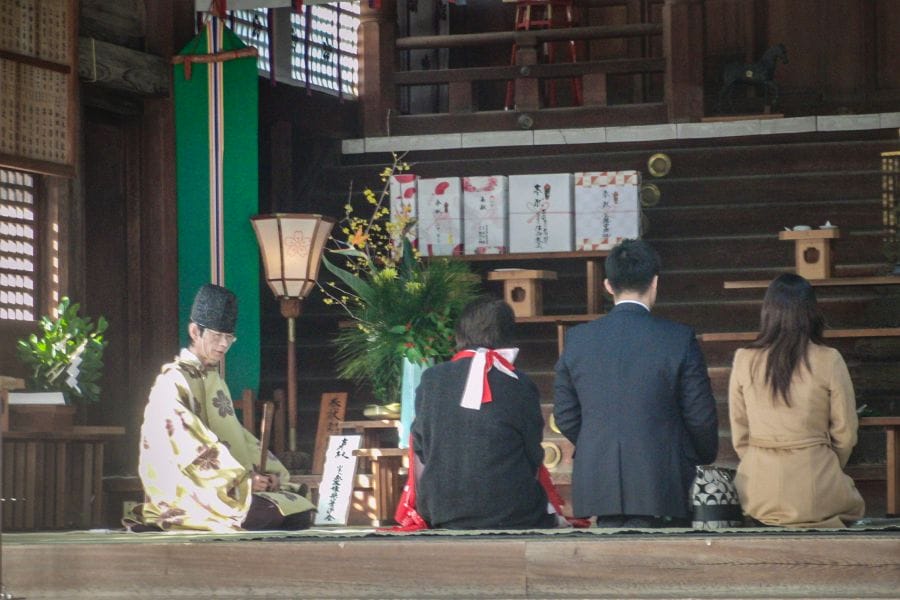
The shrine is not, however, simply a military memorial. It remains an active Shintō shrine and is used for ordinary religious ceremonies throughout the year. Families visit for Hatsumiyamairi, the traditional first shrine visit with a newborn, as well as ceremonies marking other stages of childhood. It is also a popular destination at New Year, when people come to pray for the coming year and draw omikuji fortunes. The shrine’s stated religious benefits include family safety, health, safe childbirth, prosperity and protection from misfortune.
The grounds also contain memorials that have little direct connection with the war dead. Among them is the Tenjō Mukyū Monument, bearing calligraphy by General Akiyama Yoshifuru, the former commander of the Japanese Army’s 5th Division and a prominent figure in Matsuyama’s military history. The monument originally stood elsewhere in the city before eventually being moved to the shrine.
The result is an unusual mixture of functioning Shintō shrine, war memorial and open-air collection of military artefacts. The Zero propeller, former Army sentry box, regimental memorials and monuments to the Yokaren and Special Attack Corps provide tangible reminders of Japan’s military history, while the shrine itself continues to serve the everyday religious needs of local families.
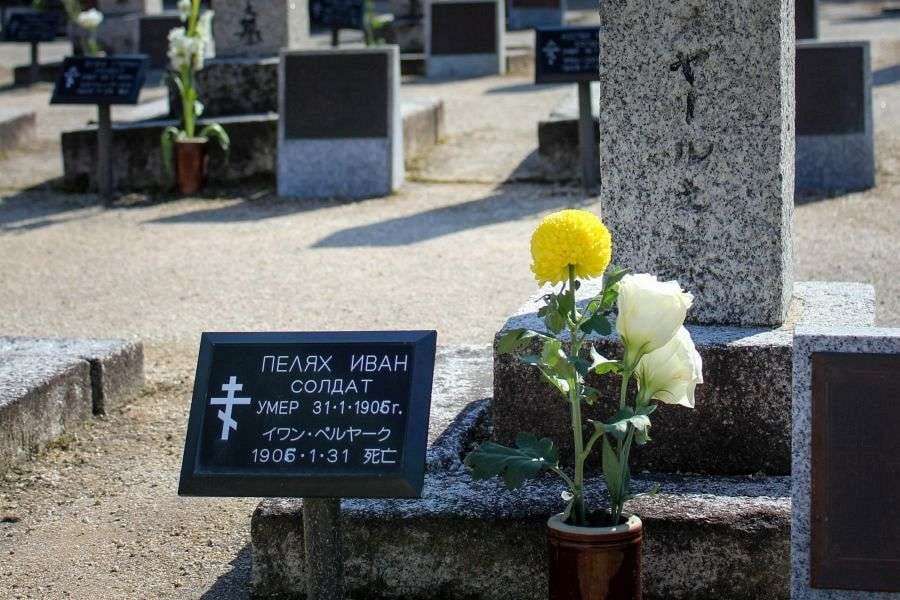
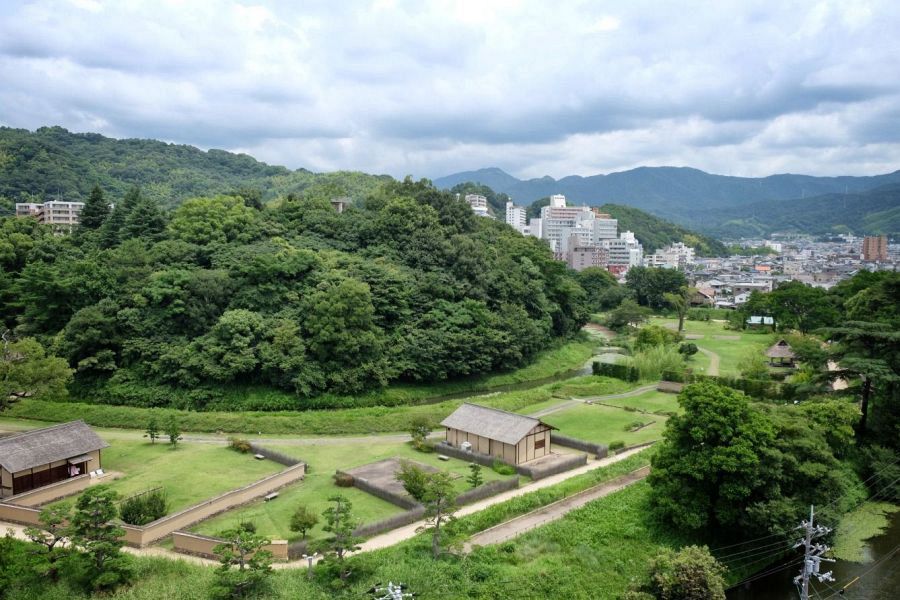
Immediately behind the shrine rises Mt. Miyuki. The summit is reached by a relatively easy climb and provides broad views across Matsuyama. A short distance to the west of the shrine is the Russian Soldiers’ Cemetery.
Information
Name in Japanese: 愛媛県護国神社
Pronunciation: ei-hee-mei-ken go-koku jin-ja
Address: 1-476 Miyuki, Matsuyama, Ehime