Russian Soldiers’ Cemetery
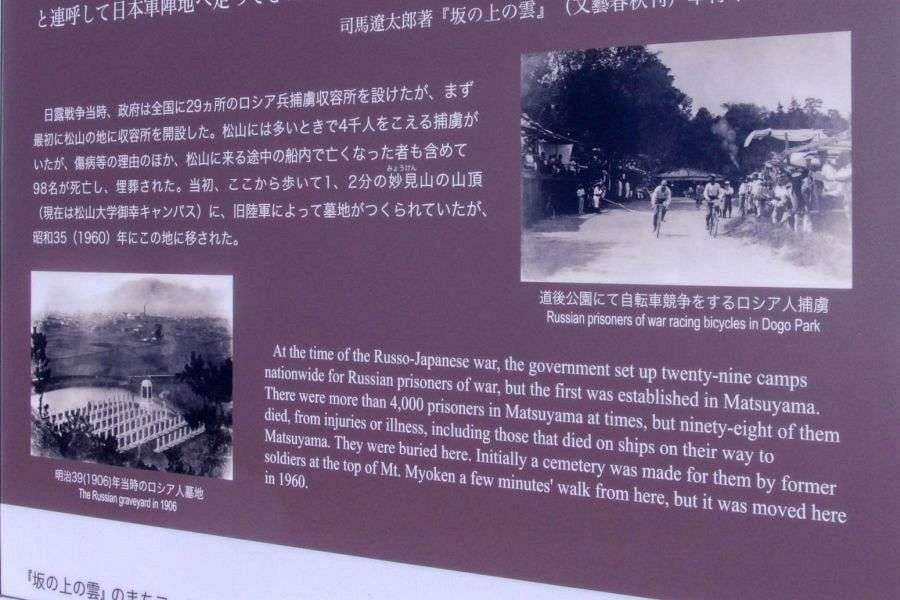
During the Russo-Japanese War of 1904–05, Japan established 29 prisoner-of-war camps around the country. The first was established in Matsuyama, where more than 4,000 Russian prisoners were held at the same time. In total, more than 6,000 prisoners passed through the camp during the war. Matsuyama was chosen partly because the nearby port of Takahama provided convenient access by sea and rail, while the city’s mild climate was considered suitable for wounded and sick prisoners.
The prisoners were accommodated in public buildings, temples and purpose-built barracks at the former Jōhoku military training ground. Their treatment was unusually liberal for the period. The prefecture explicitly instructed residents that prisoners were not criminals and should not be humiliated or mistreated. Officers were allowed to live in rented accommodation, while prisoners were permitted to go out, visit the theatre, swim, walk in Dōgo Park and bathe at Dōgo Onsen. Contemporary photographs show Russian prisoners taking part in bicycle races in the park.
The generous treatment became well known among Russian troops. According to a story that has survived in Matsuyama, Russian soldiers who surrendered would sometimes shout “Matsuyama!” because of the city’s reputation. There was also considerable contact between the prisoners and local residents. At least one Russian prisoner is known to have had a relationship with a Japanese nurse who worked at the camp. A Russian coin discovered in a well near the former camp site was roughly inscribed with her name and is now displayed at the Saka no Ue no Kumo Museum.
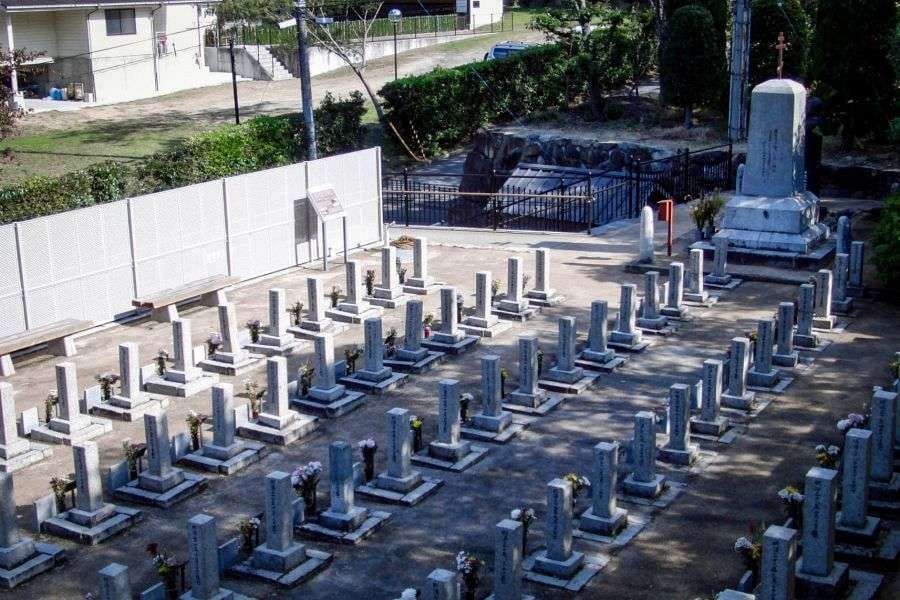
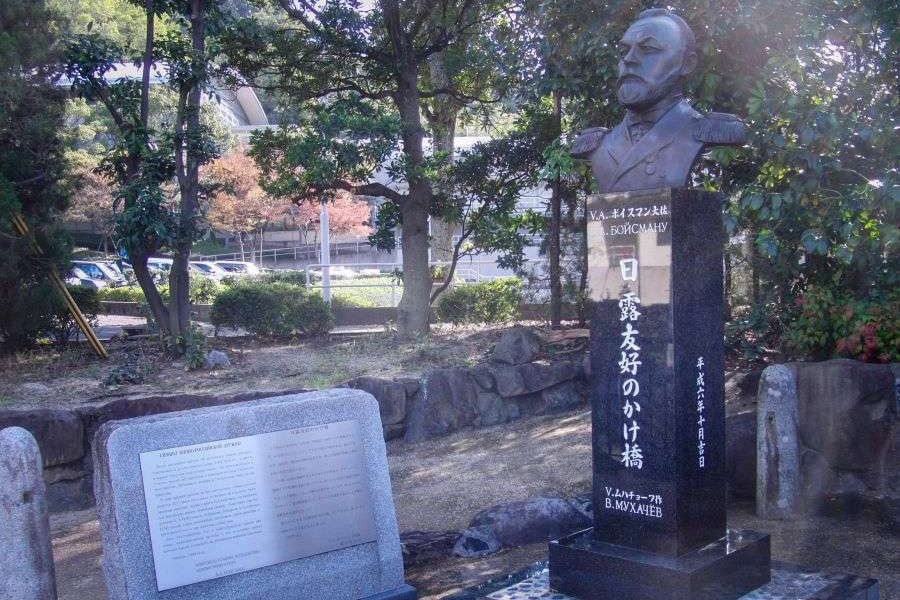
Not everyone survived. Ninety-eight Russian prisoners died in Matsuyama, including naval officer Vasili Bojsman, who died from wounds despite receiving medical treatment. The men came from many parts of the Russian Empire, not only areas that are now Russia and Poland but also present-day Ukraine, Belarus, the Baltic states and Central Asia. Their graves were originally located elsewhere but the cemetery was moved to its present site in 1960. The headstones face north, towards the prisoners’ homeland.
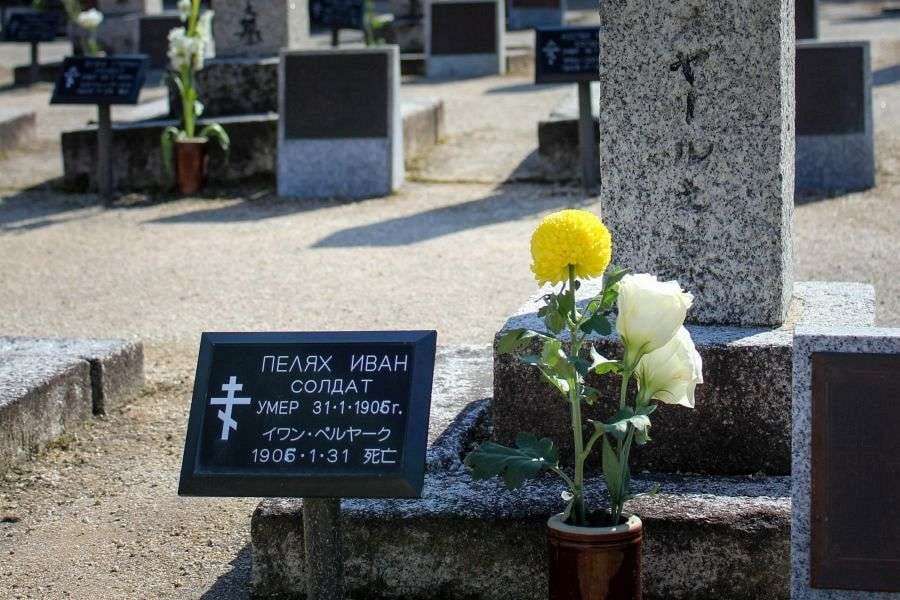
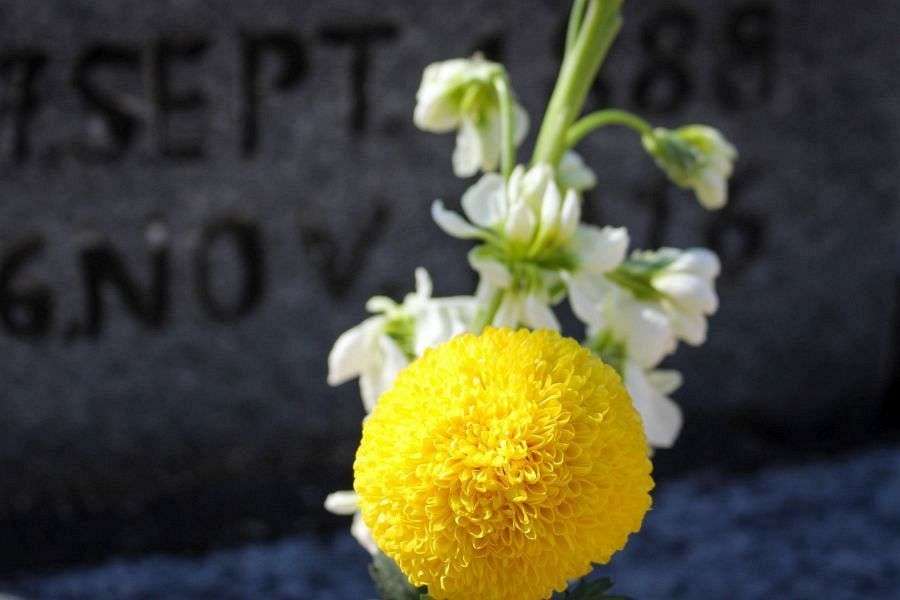
The cemetery is small and the individual memorials are correspondingly modest. Each identifies the deceased in Russian and Japanese, and the religious affiliation of the men is reflected in the symbols on their graves. Russian Orthodox prisoners are marked with the distinctive three-bar cross, Catholics with conventional crosses, and Jewish prisoners with the Star of David. The presence of a number of Jewish graves is a reminder of the ethnic and religious diversity of the Russian Empire’s armed forces at the time. The cemetery is still maintained by local residents and schoolchildren, and flowers are regularly placed on the graves.
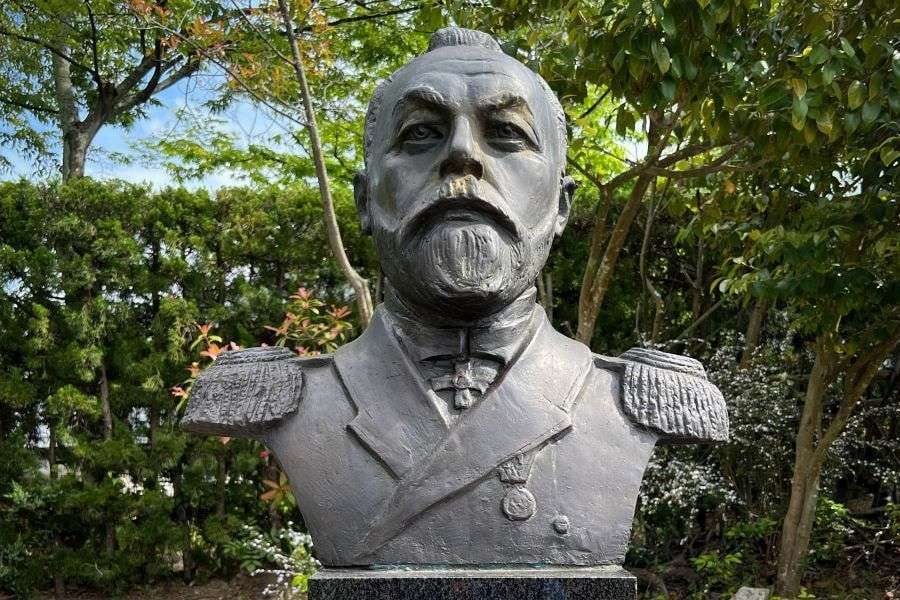
The most prominent memorial is that of Bojsman, whose grave is accompanied by a bust donated by people in Russia as a symbol of Russo-Japanese friendship. The cemetery therefore commemorates not simply an episode in military history but the relationship that developed between Matsuyama and the prisoners during and after the war.
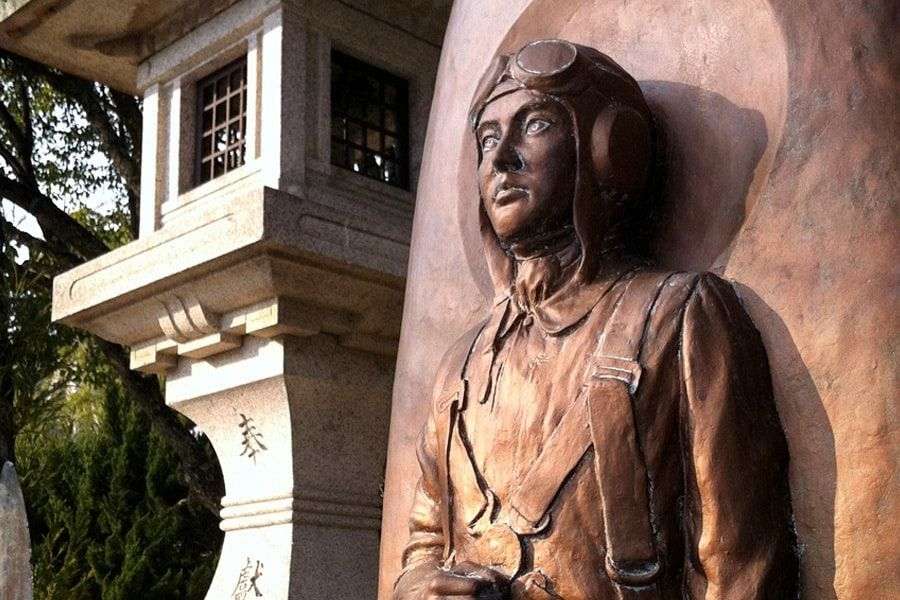
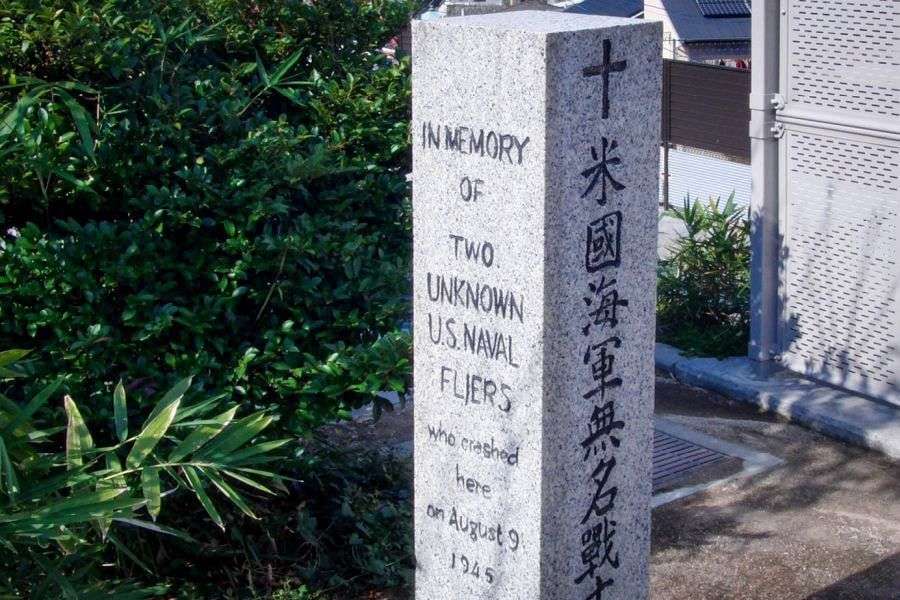
There are also two other unusual memorials. Arthur Lauenstein was a German prisoner of war who died in Matsuyama during the First World War and is buried here; he was the only German POW to die in Matsuyama during that war. His memorial stands alongside those of the Russians. There is also a stone commemorating two unidentified American pilots whose aircraft crashed in Matsuyama on 9 August 1945, just six days before Japan surrendered. The cemetery therefore spans three different conflicts and several nationalities.
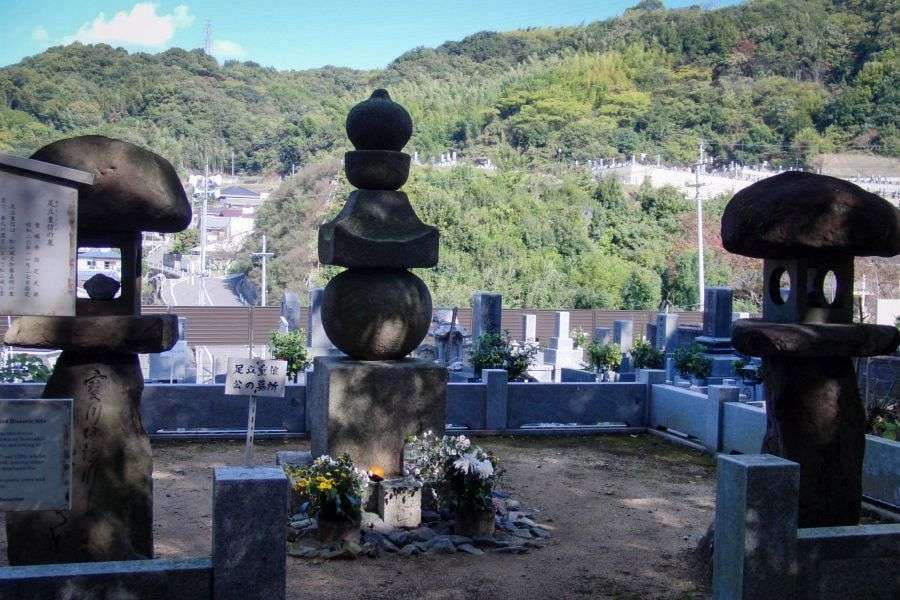
The cemetery is set among a much larger collection of graves and temples on the lower slopes of Mount Miyuki. Nearby are the graves of several important figures in the history of Matsuyama, including Adachi Shigenobu, the engineer whose work on the area’s waterways helped establish the foundations of the modern city, and Aochi Rinso, an Edo-period doctor and scholar who wrote Kikai Kanran, published in 1827 and regarded as Japan’s first physics book.
The surrounding hillside is consequently an interesting introduction to Japanese funerary traditions. Alongside the foreign graves are memorials of many different periods and styles, including the distinctive pointed stone monuments found in large numbers in Japanese cemeteries. The area gives a particularly good impression of how Japanese cemeteries have developed over several centuries, while the Russian graves provide an unusual contrast.
The Russian Soldiers’ Cemetery is now one of the sites included in Matsuyama’s Saka no Ue no Kumo Field Museum, which treats the city itself as an open-air museum connected with the history depicted in Shiba Ryōtarō’s novel Clouds Above the Hill. It is also included on the Iyo Yama no Be no Michi, a walking route recognised among Japan’s 500 most beautiful walks. The cemetery is open year-round and free to visit.
Information
Name in Japanese: ロシア兵墓地
Pronunciation: roshee-a hei bo-chee
Address: 1 Chome-531-2 Miyuki, Matsuyama, Ehime 790-0824