Ōmiya Bonsai Village
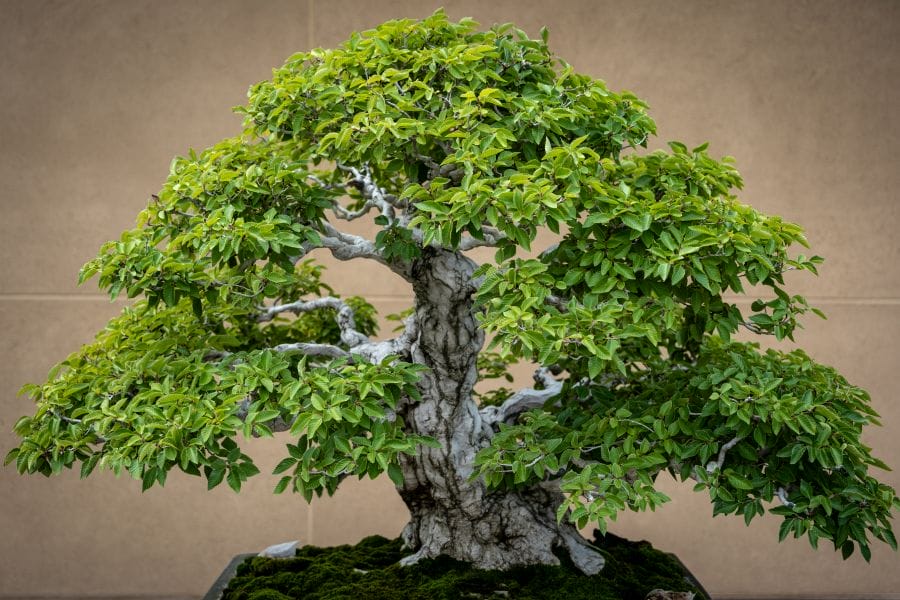
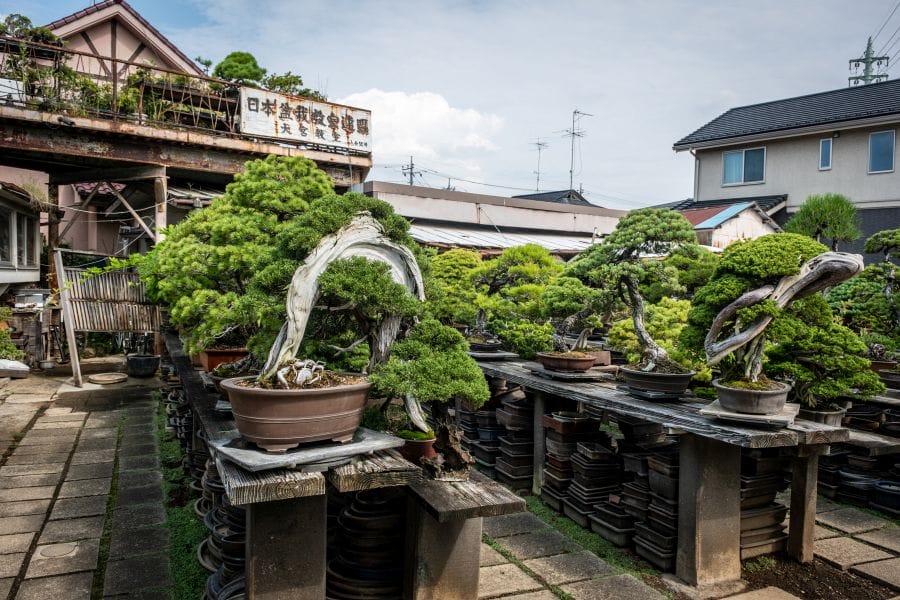
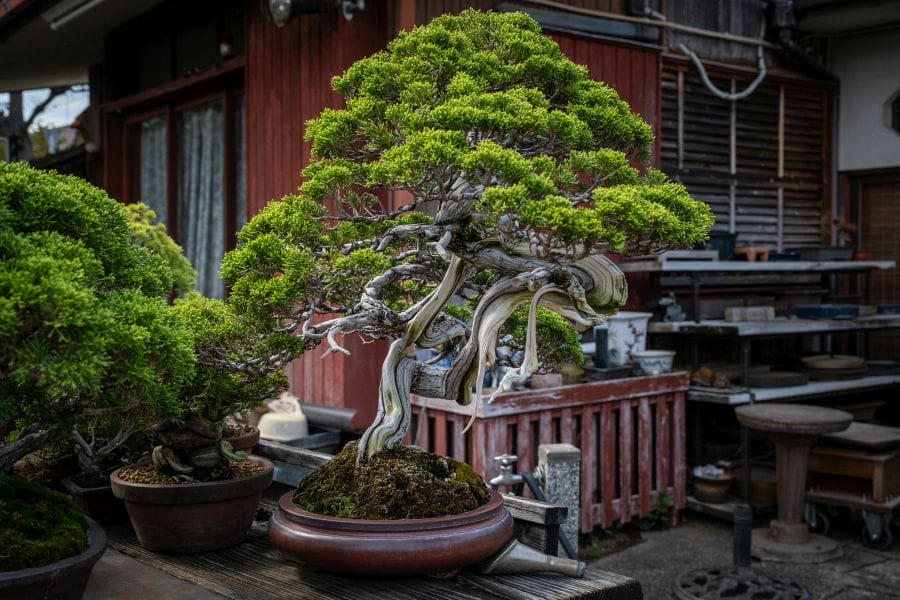
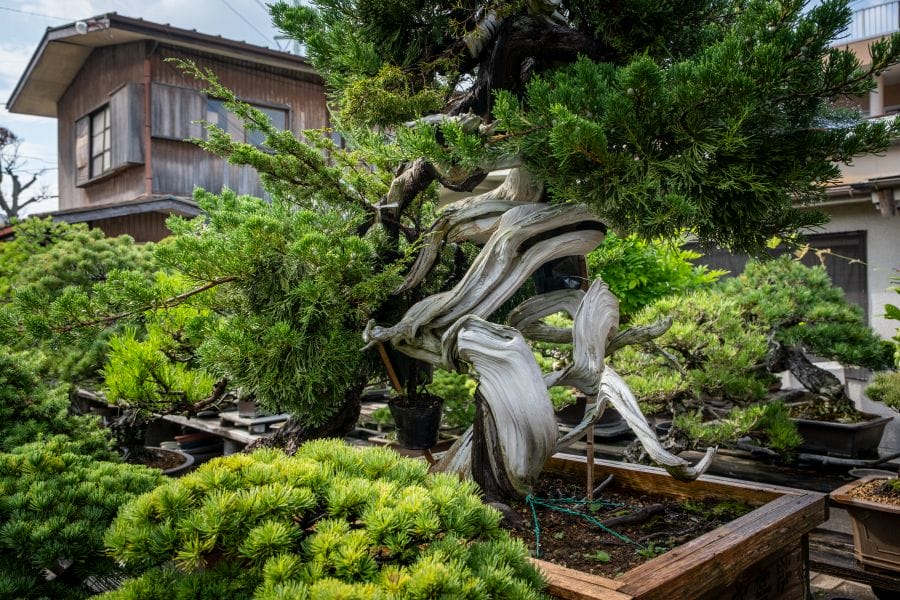
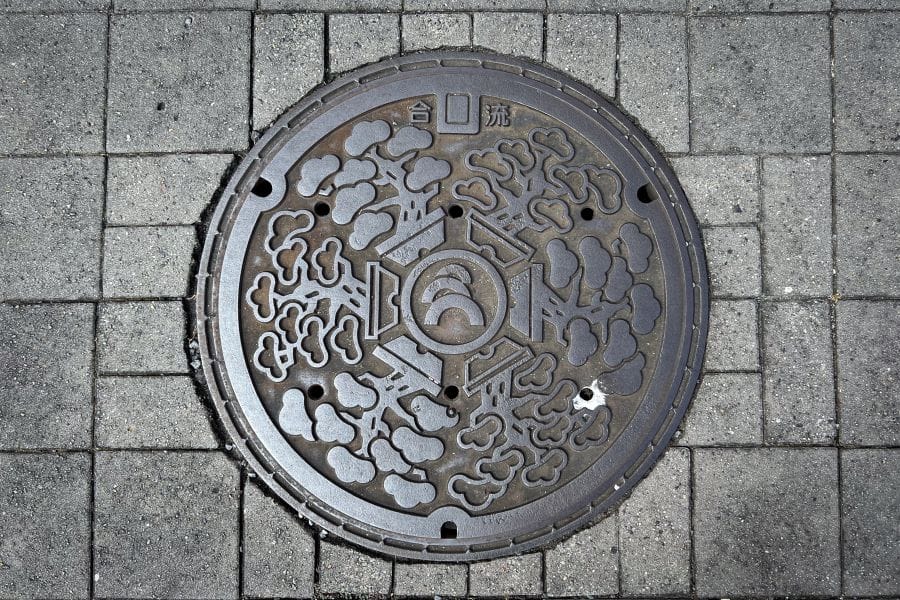
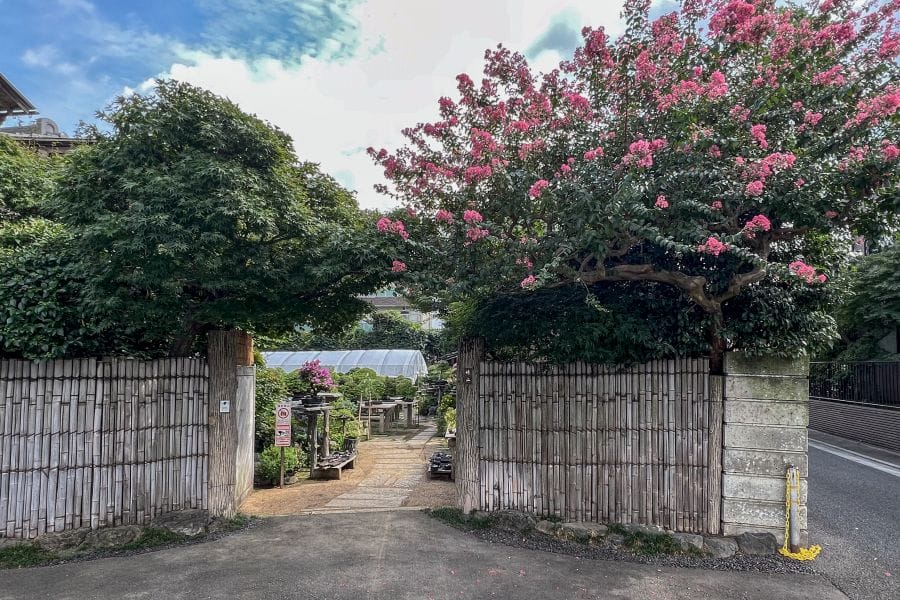
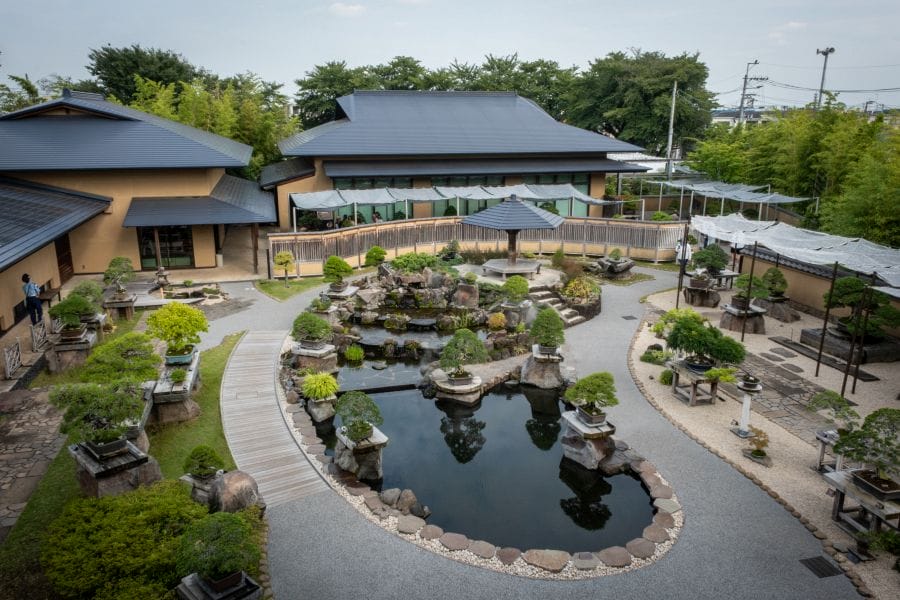
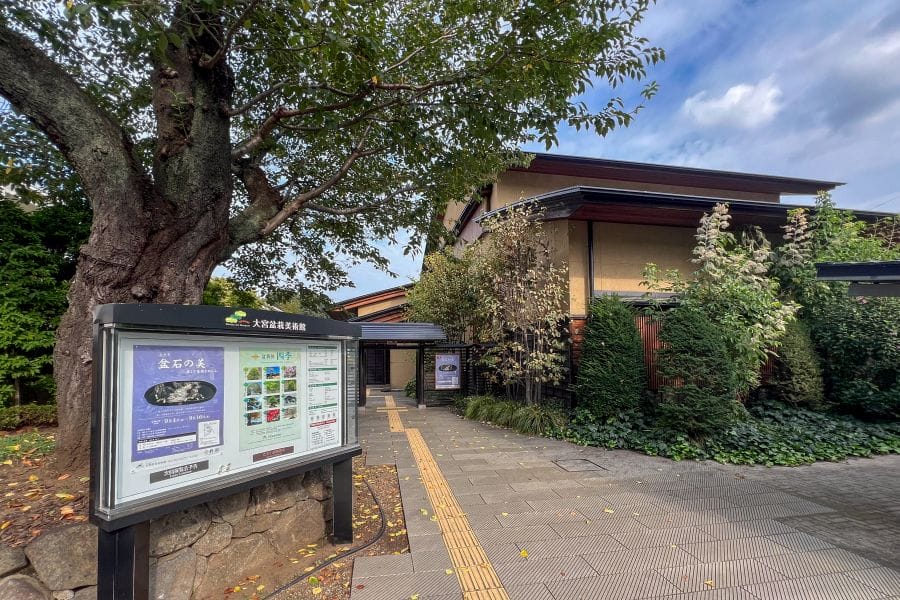
Ōmiya Bonsai Village is a residential district comprised of private commercial nurseries, domestic gardens, and a public museum devoted to the cultivation and appreciation of miniature potted trees (bonsai). The neighbourhood spans a grid of quiet thoroughfares where low-rise houses sit behind manicured living hedges and low stone walls. Since bonsai don’t thrive without sunlight and fresh air, the nurseries maintain open-air display grounds where hundreds of specimens sit on wooden benches. The physical layout integrates private family living quarters directly with commercial plant yards, allowing growers to water, prune, and wire the trees just off the streets of the village. At the eastern edge of the district is the Saitama City Ōmiya Bonsai Art Museum, a purpose-built facility that combines indoor exhibitions with an outdoor courtyard for displaying bonsai.
What to see
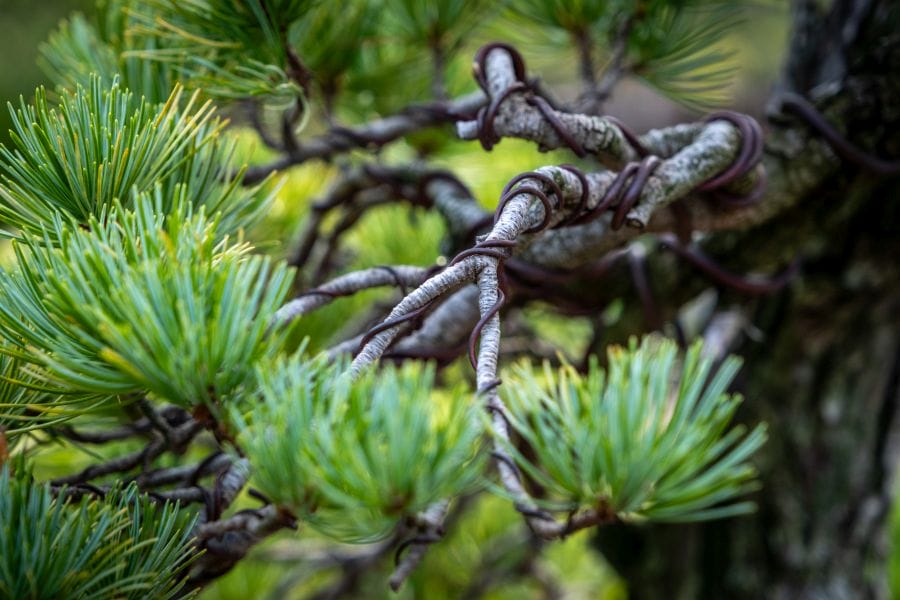
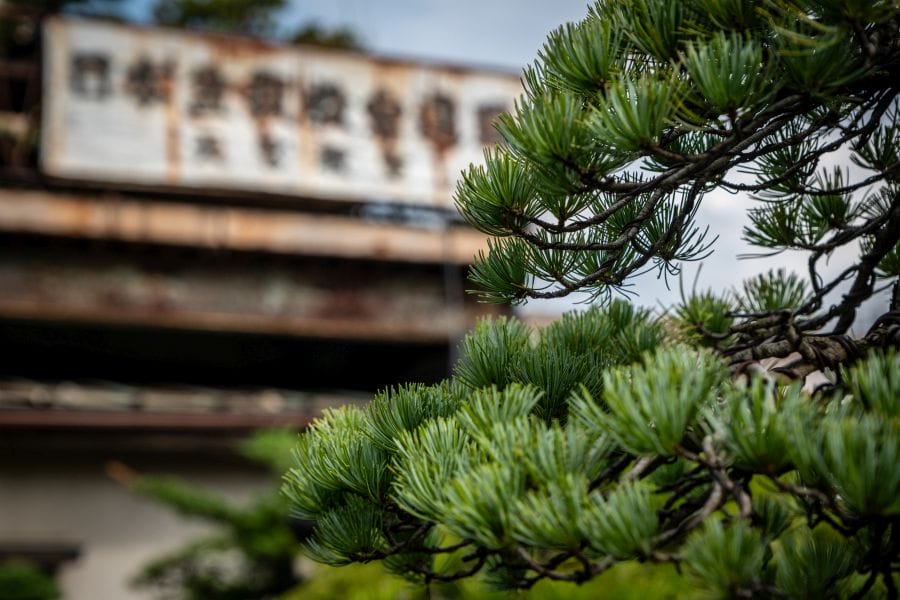
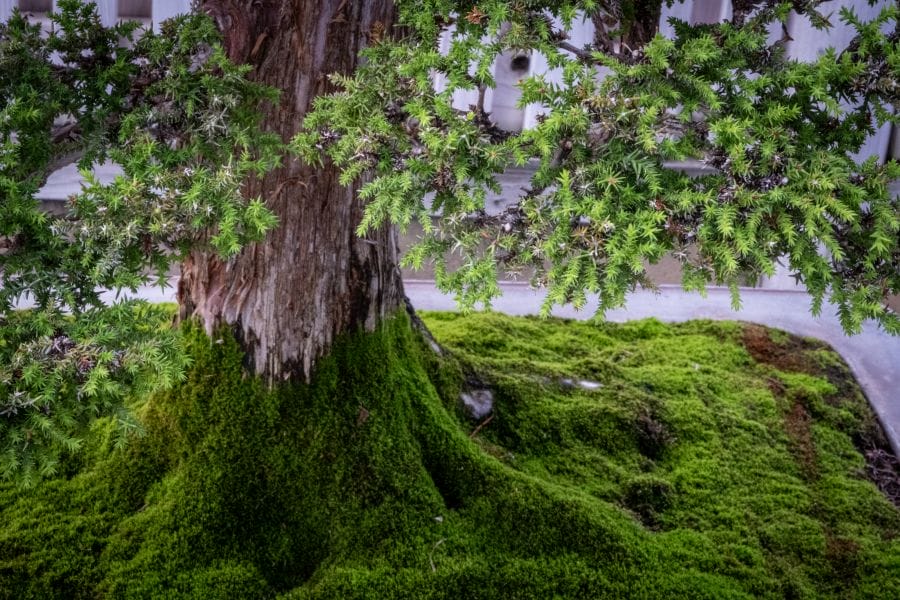
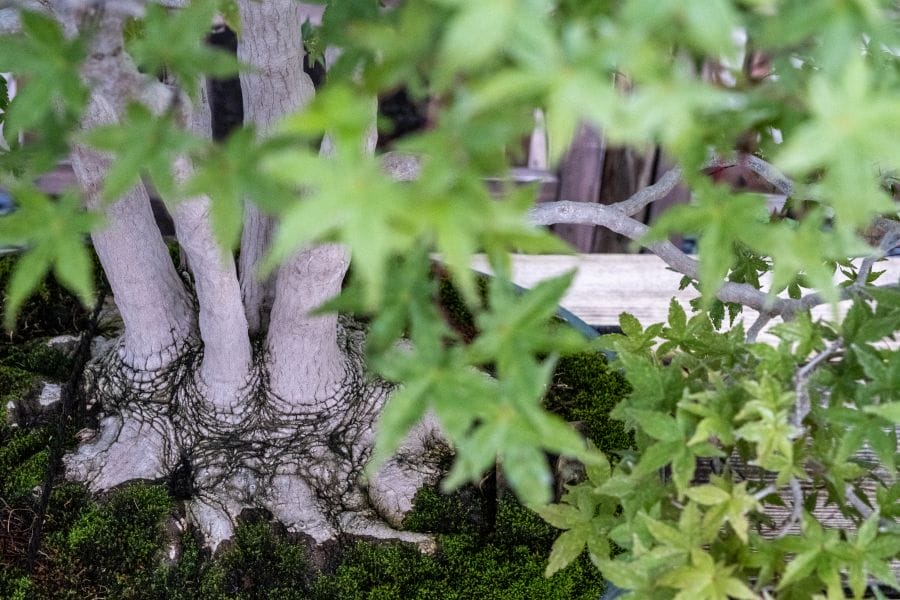
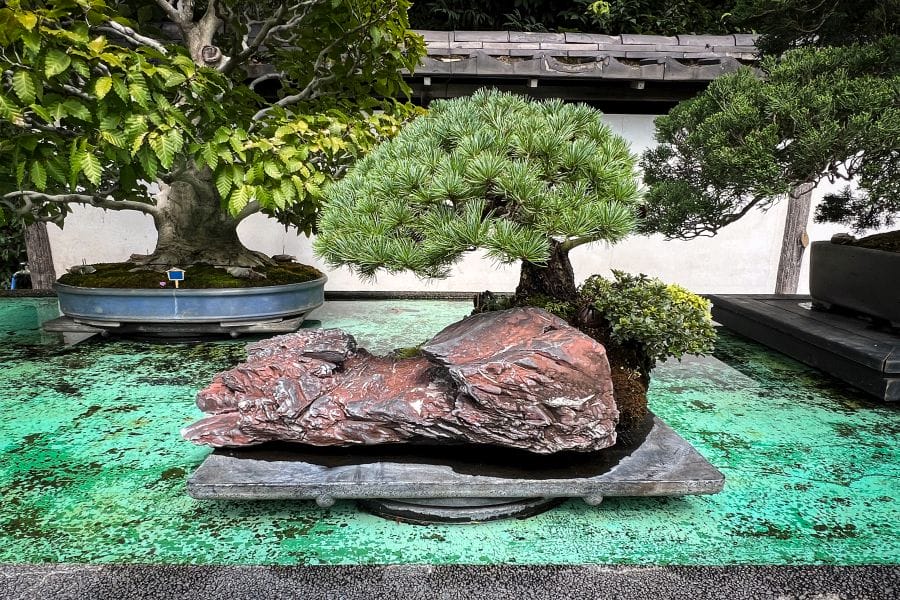
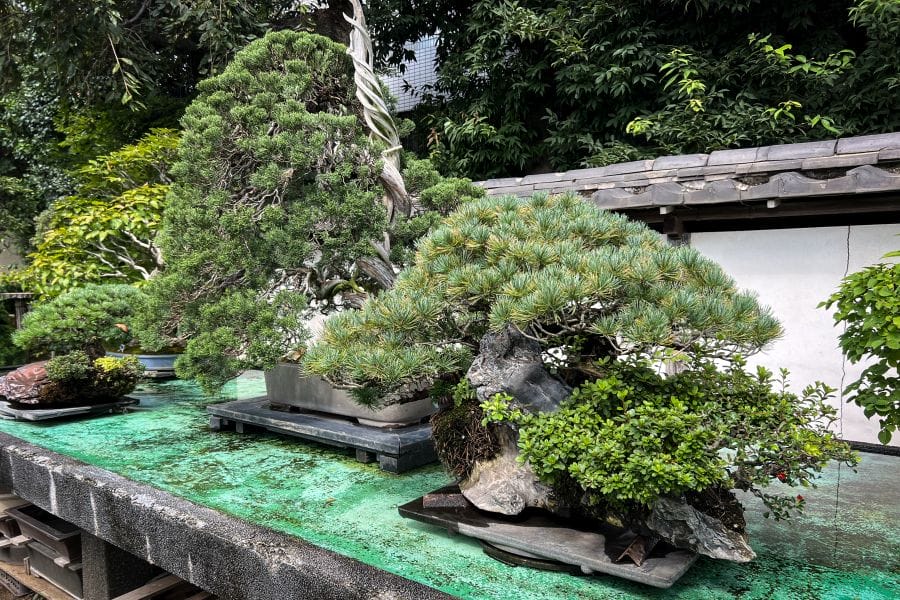
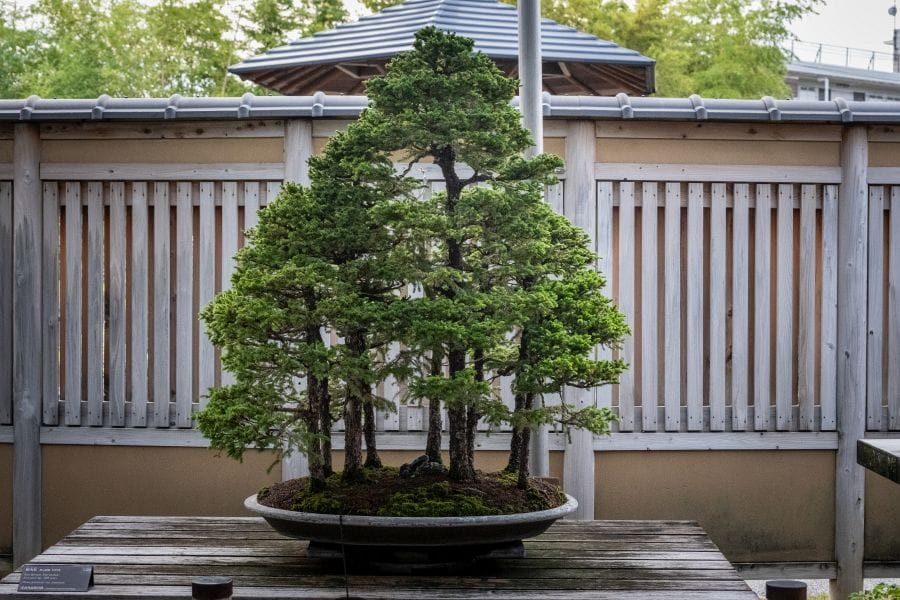
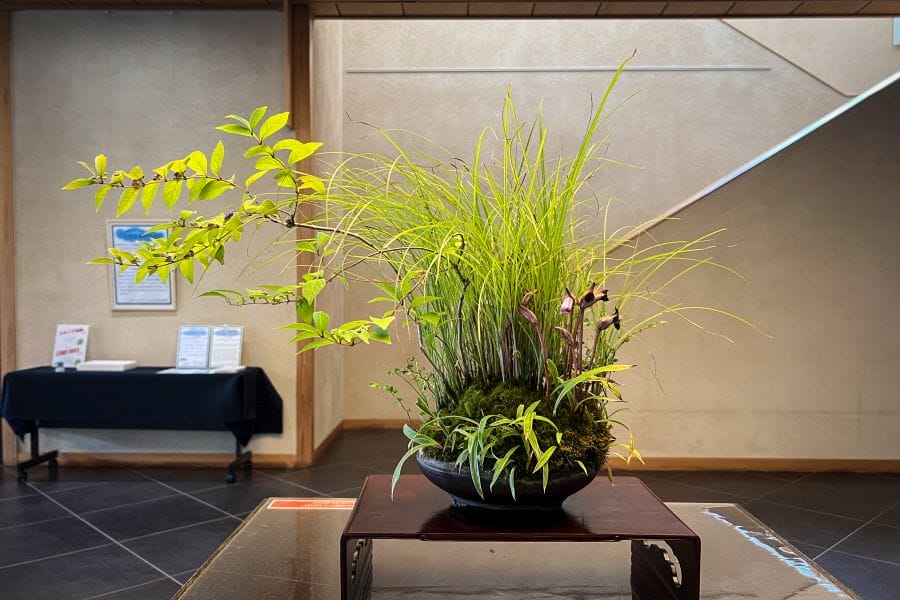
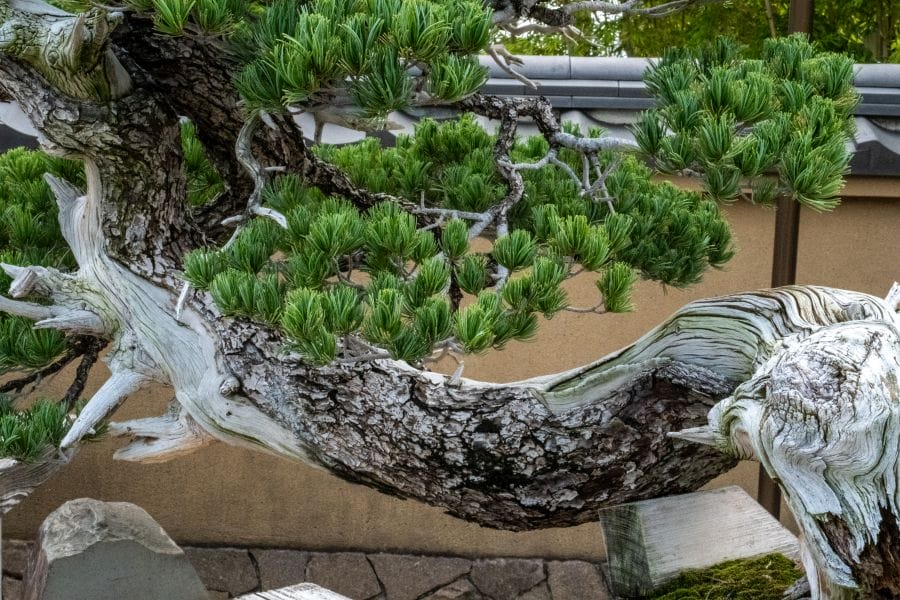
The individual nurseries around the village each have their distinct focus and horticultural techniques. Mansei-en, operated by the Katō family, displays aged Japanese white pine and Sargent juniper specimens, including trees estimated to be over a thousand years old. You enter Seikō-en through a traditional roofed wooden gate into a courtyard devoted to a technique that combines flowering perennials with miniature trees in glazed vessels. At Kyūka-en, growers prioritise naturalistic growth forms over rigid geometric shapes, using fine copper wire to guide deciduous maples and hornbeams into delicate branch structures. Fuyō-en concentrates on forest-style group plantings that change colour across the seasons, while Tōju-en maintains workbenches where apprentices shape saplings and teach care methods. Visitors are free to walk in and watch growers mixing soil, trimming root and branch, and adjusting wires throughout the workday.
History of the bonsai village
The enclave developed following the 1923 Great Kantō Earthquake, which devastated the historic gardening quarter in Tokyo’s Dangozaka district. Seeking clean groundwater, open land, and nutrient-rich volcanic soil, a group of professional bonsai gardeners relocated to the agricultural land of Saitama and formally established the self-governing village in 1925. Community members established strict local covenants to protect the delicate microclimate necessary for tree cultivation: every resident had to own at least ten specimen trees, maintain open garden spaces, erect hedges of spindle tree or bamboo rather than stone walls, and refrain from constructing two-storey buildings that could cast shadows on neighbouring plots. Although growers couldn’t trade openly during World War II due to anti-luxury laws and military conscription, key proprietors preserved master trees in secret until wartime restrictions ended. The municipal government officially named the surrounding district Bonsai-chō in 1942, solidifying its identity as a centre of specialised horticulture.
Ōmiya Bonsai Art Museum
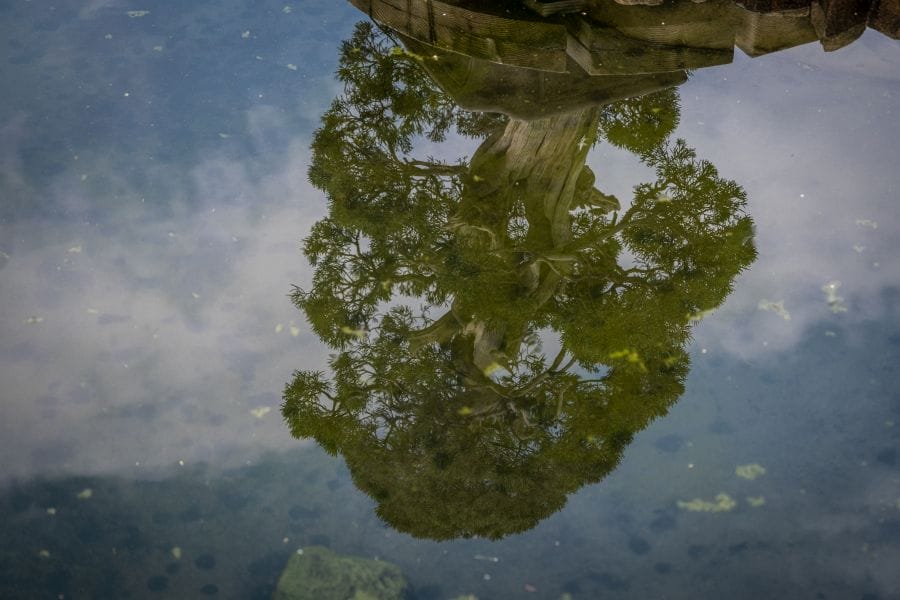
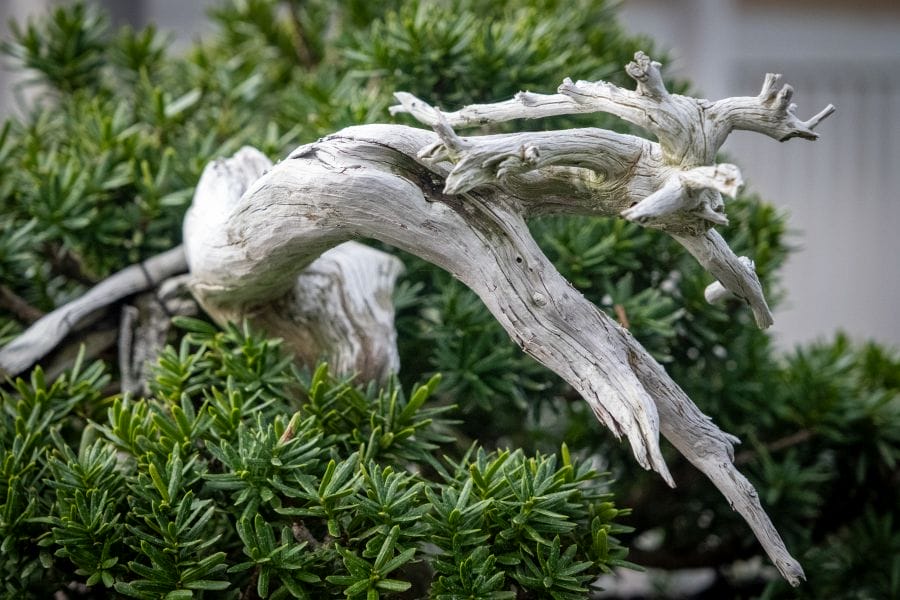
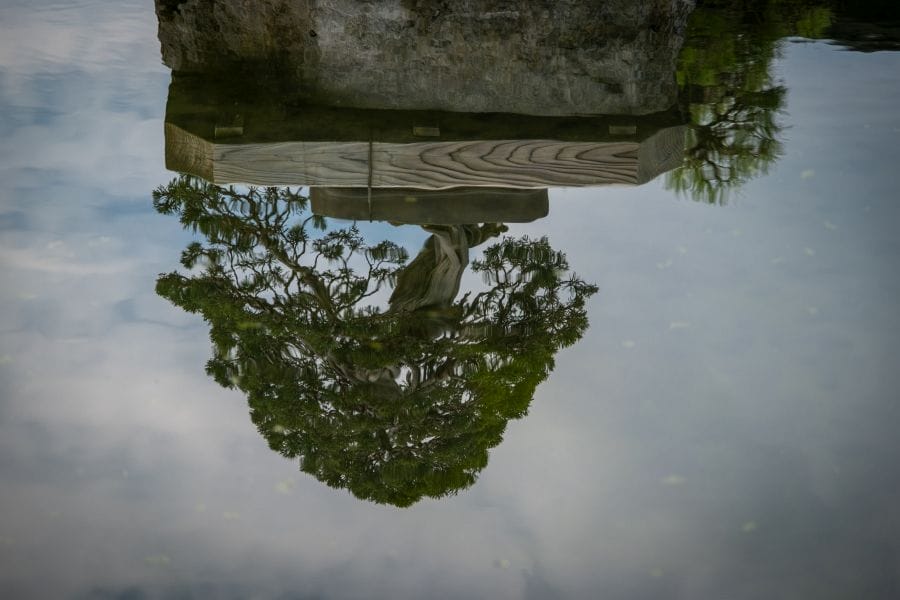
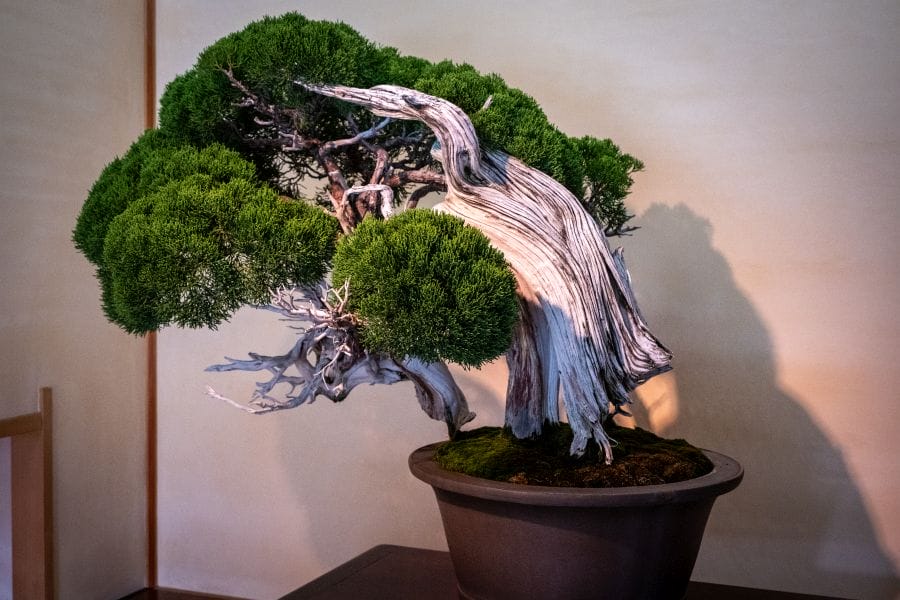
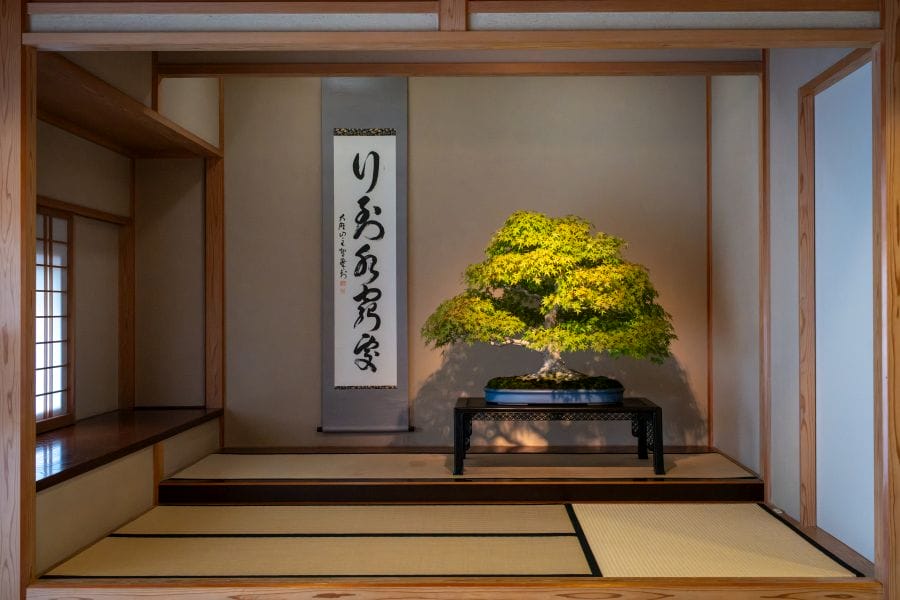
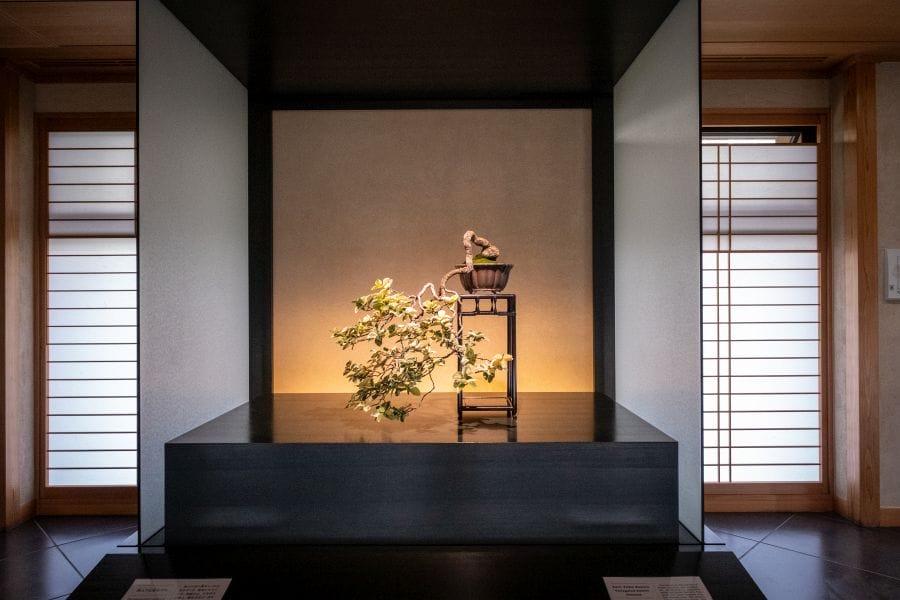
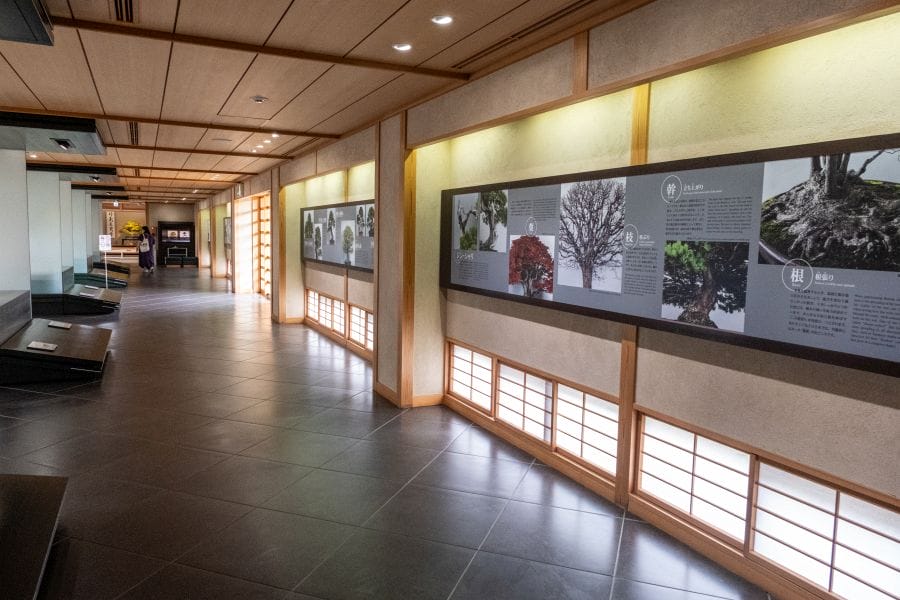
The Saitama City Ōmiya Bonsai Art Museum serves as the central exhibition gallery for the district, housing historical artefacts and premium specimens. The main building opens into an indoor space divided into three sections: an introductory gallery covering the history and types of bonsai, an exhibit of ceramic pots and viewing stones, and three distinct styles of traditional tatami reception rooms and the type of miniature tree suited to each. Outside, an expansive garden terrace surrounds a central reflecting pool, where some seventy masterpiece trees rest on stone pedestals. Notable among the gallery’s permanent collection is “Seiryū”, a Japanese white pine estimated to be over three hundred years old, whose twisted trunk forms the shape of a rising dragon. The facility also preserves historic woodblock prints from the Edo period that document the evolution of bonsai from an aristocratic pastime into a widespread cultural tradition.
Information
Name in Japanese: さいたま市大宮盆栽美術館
Pronunciation: sai-tama-shee oh-mee-ya bon-sai bi-jutsu-kan
Address: Toro-cho, 2-4-3 Kita Ward, Saitama, 331-0804