Saitama Prefectural Museum of History and Folklore
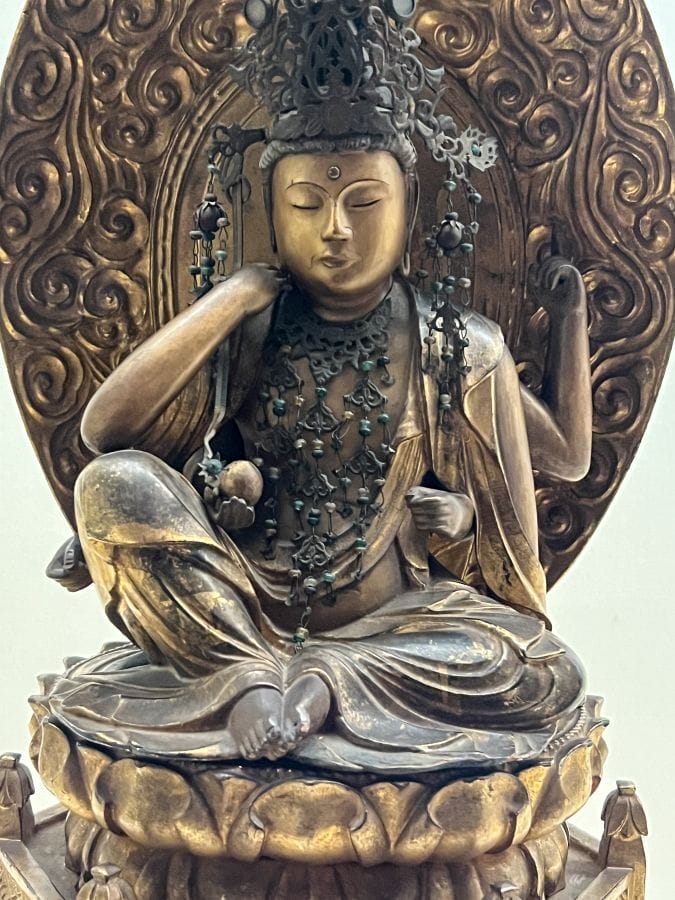
The Saitama Prefectural Museum of History and Folklore is a comprehensive regional history, art, and ethnology museum located within the wooded grounds of Ōmiya Park in Saitama City. Established to trace human settlement across the Kantō plain from prehistoric periods through to the modern era, the facility houses extensive archaeological collections, medieval samurai weaponry, and traditional folk crafts within a purpose-built mid-century modern complex. Its permanent galleries structure the regional story across ten distinct thematic rooms, housing designated National Treasures alongside everyday historical items used by local farmers, weavers, and merchants. Positioned adjacent to the historic Hikawa Shrine, the museum functions as the chief institution for documenting the material heritage of the Musashi region.
What to see and do
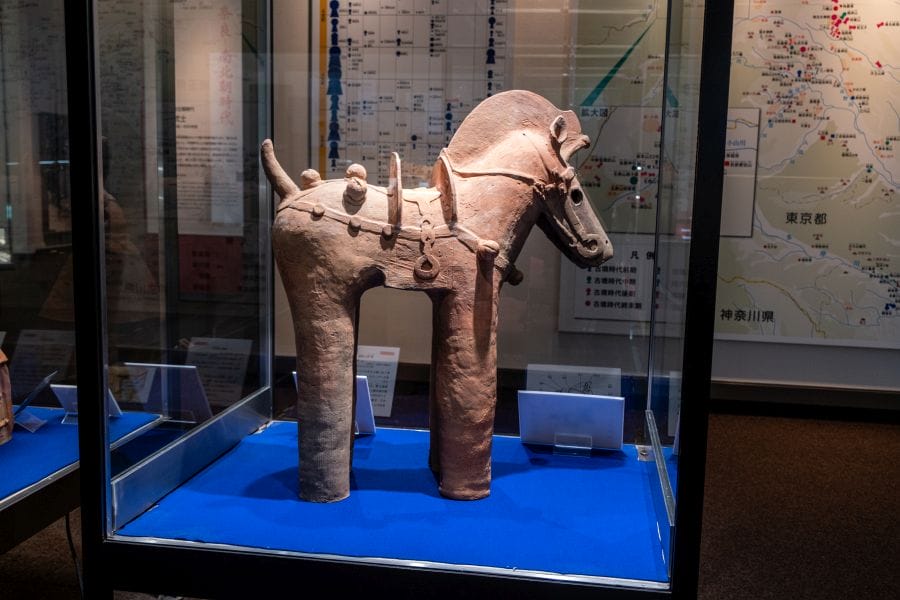
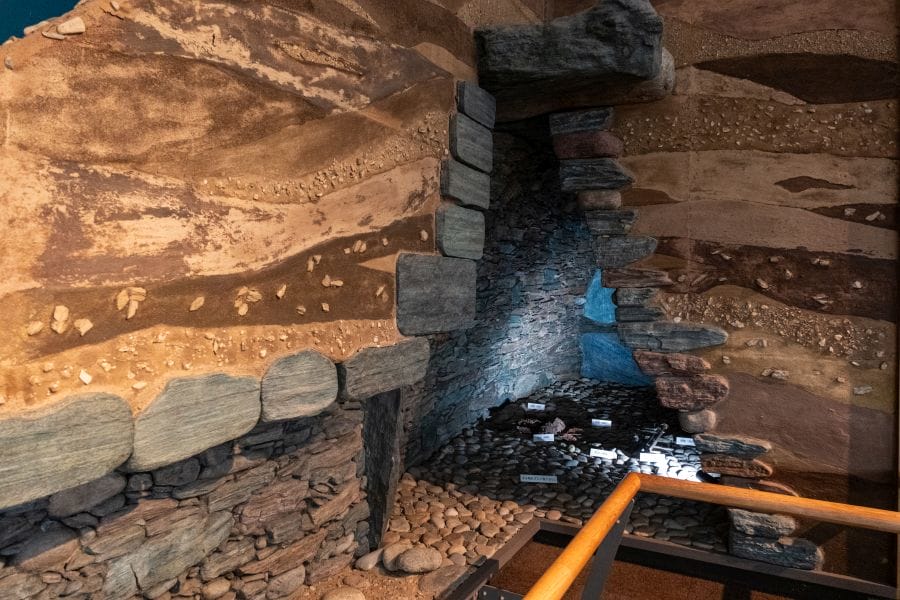
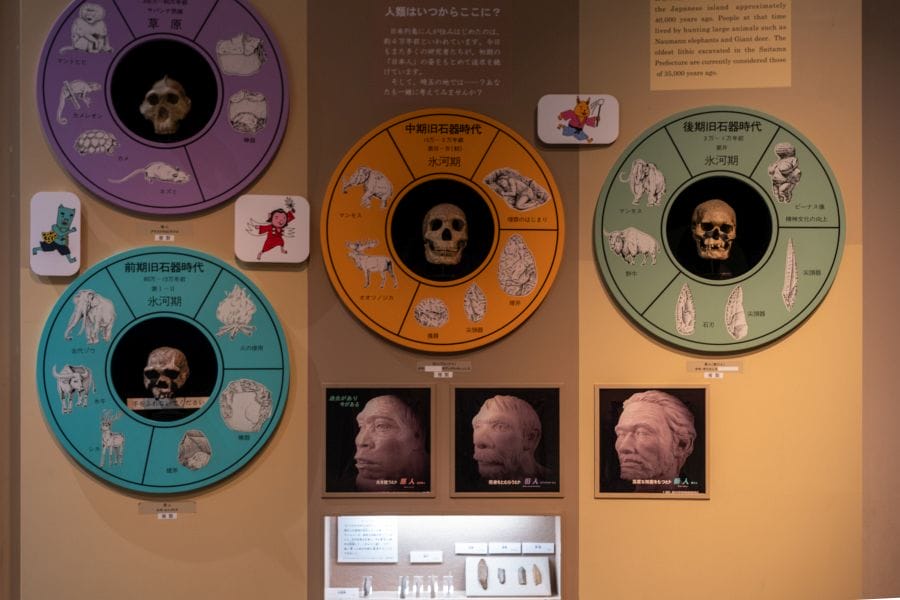
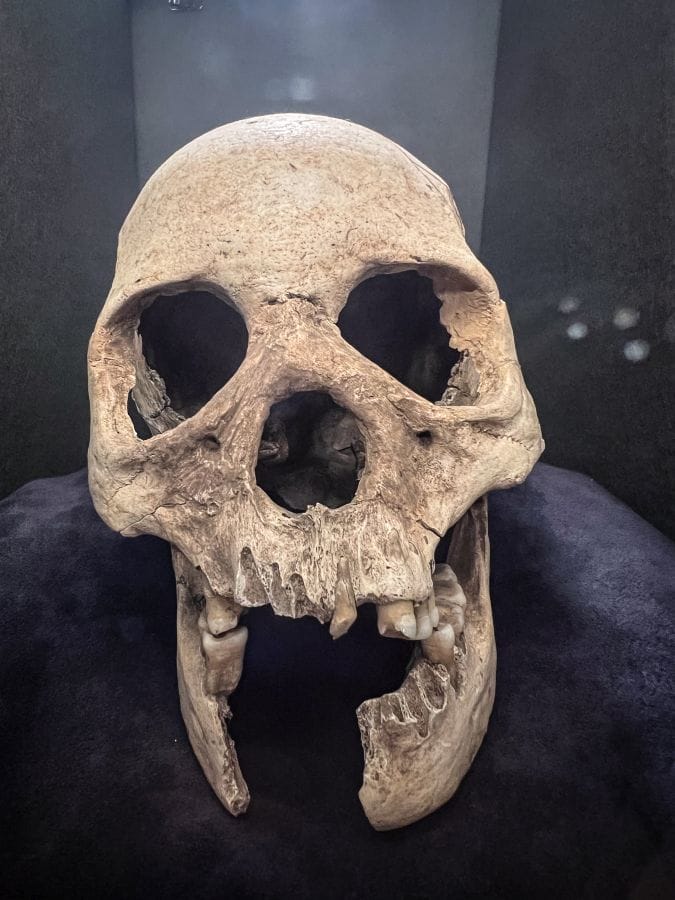
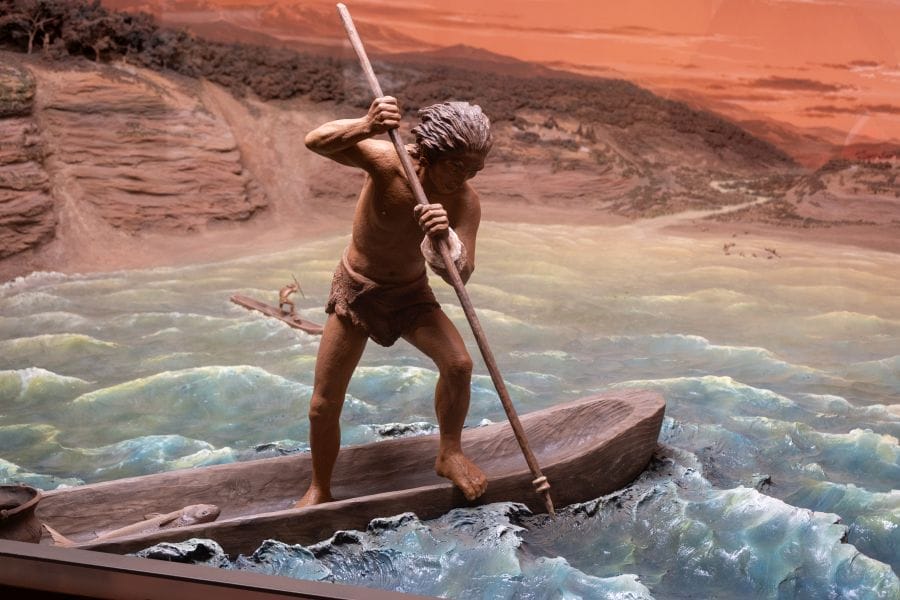
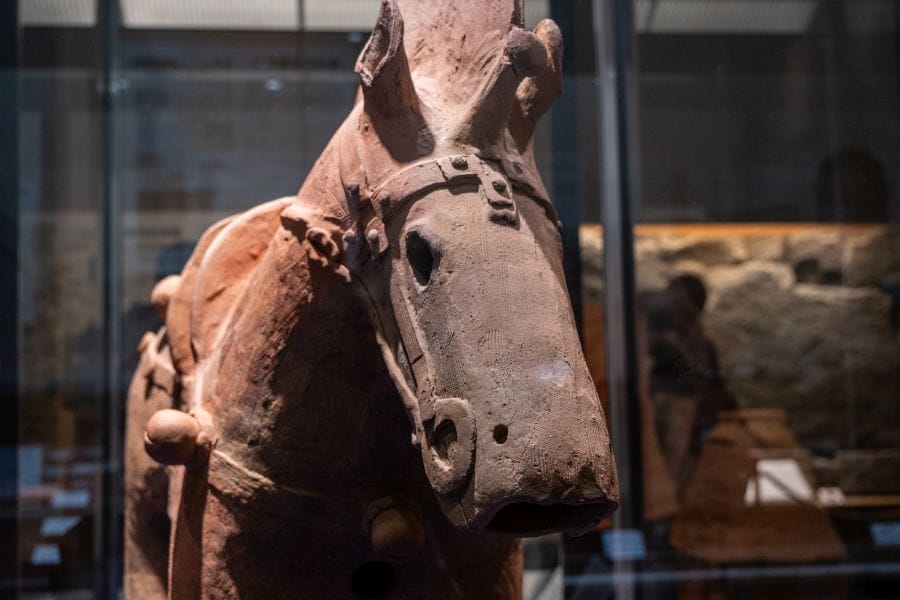
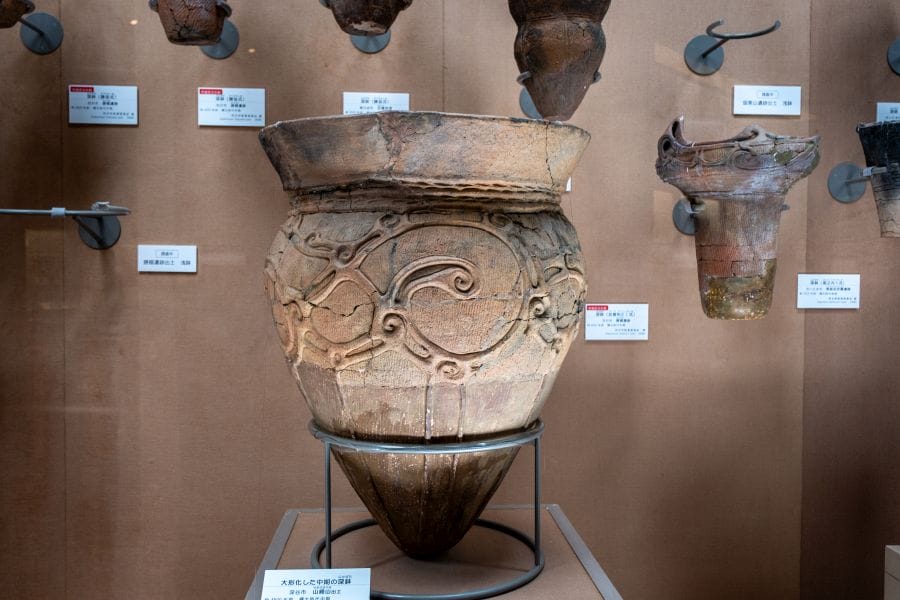
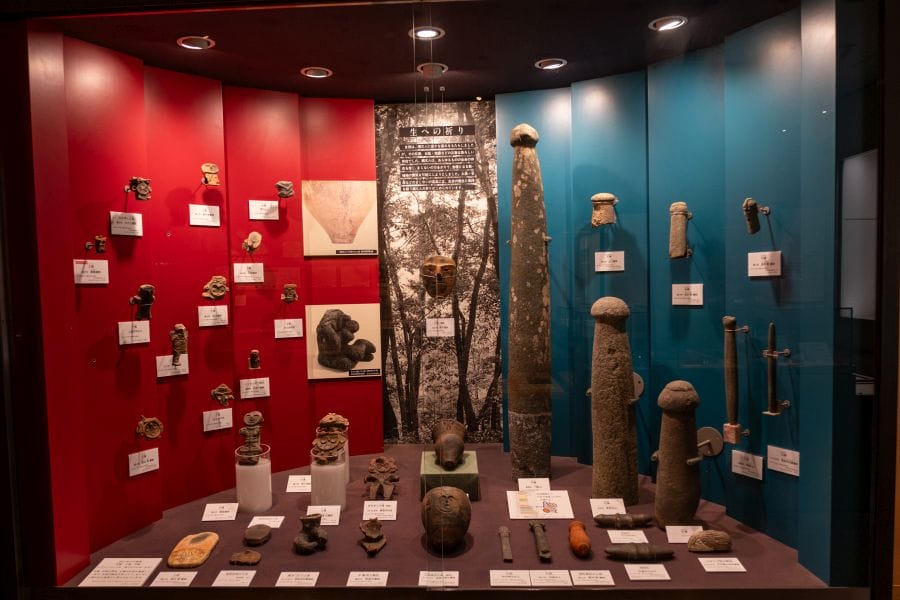
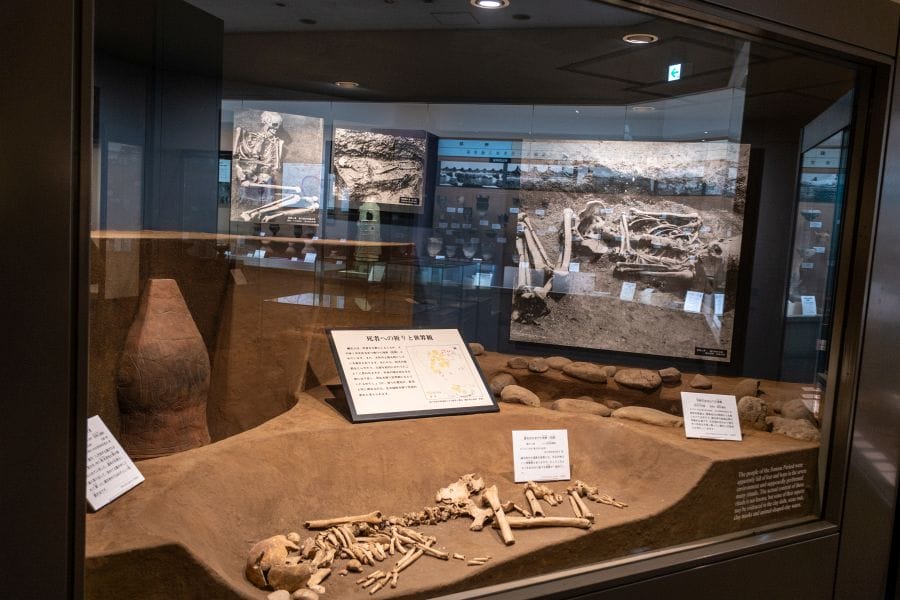
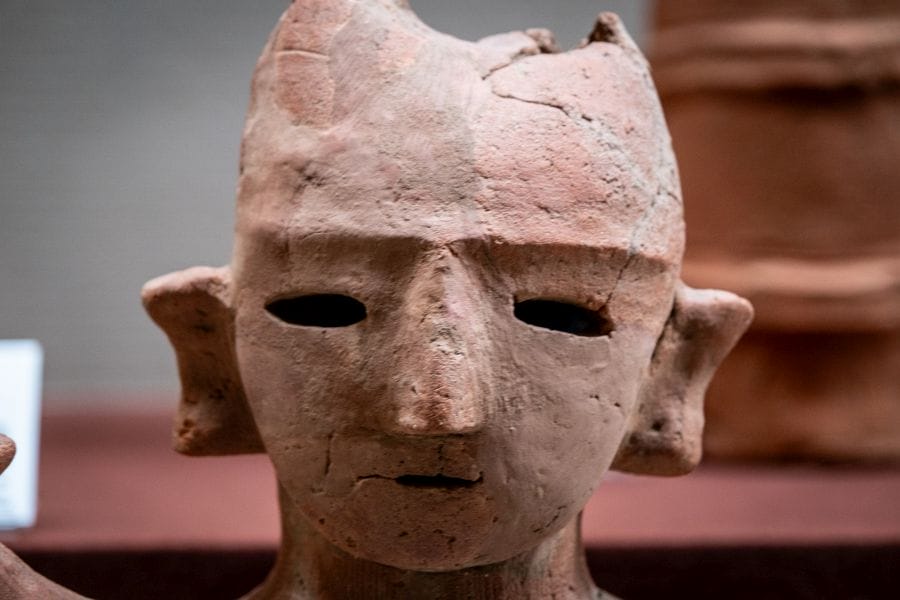
The primary exhibition route progresses chronologically through ten dedicated rooms, starting with Jōmon-period pottery decorated with intricate cord patterns and distinctive owl-faced terracotta figurines. Subsequent displays feature iron weapons, gilded bronze ornaments, and haniwa clay tomb figures recovered from Kofun-period burial mounds, illustrating early state formation in the Musashi region. There’s a rare example of a large haniwa horse in pristine condition.
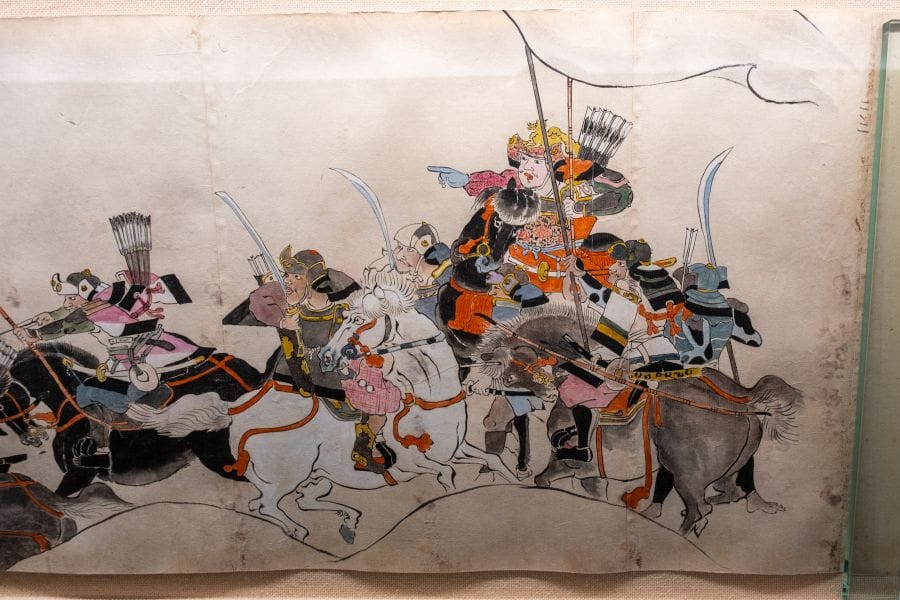
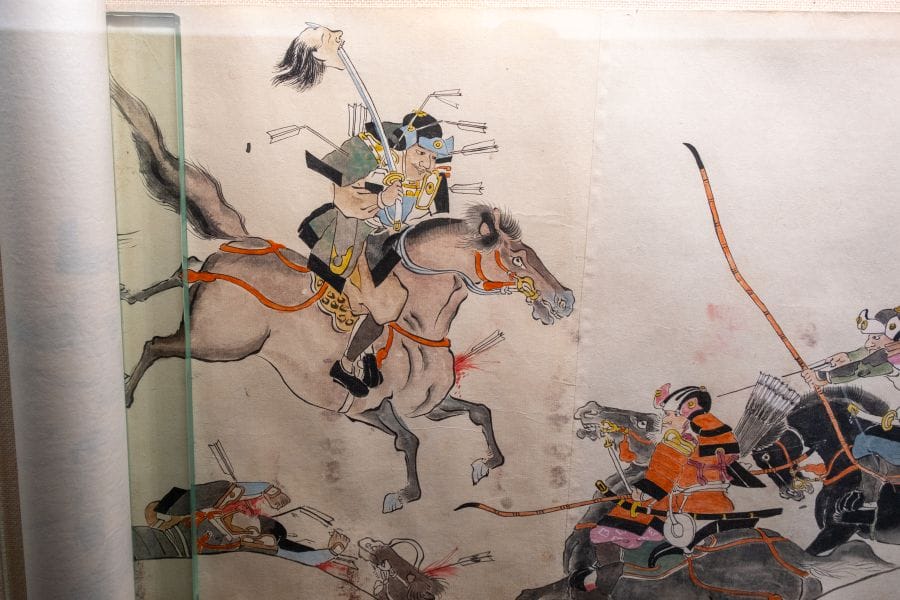
Samurai culture forms a central focus in the medieval galleries, which display masterworks of Japanese sword making, including Kamakura-period blades forged by Nagamitsu and Kagemitsu of the Bizen Nagafune school, two of which hold National Treasure status. Highlighting regional craftsmanship, these halls exhibit long curved tachi swords, slender tantō daggers, full suits of iron armour, and illuminated narrative scroll paintings depicting provincial conflicts.
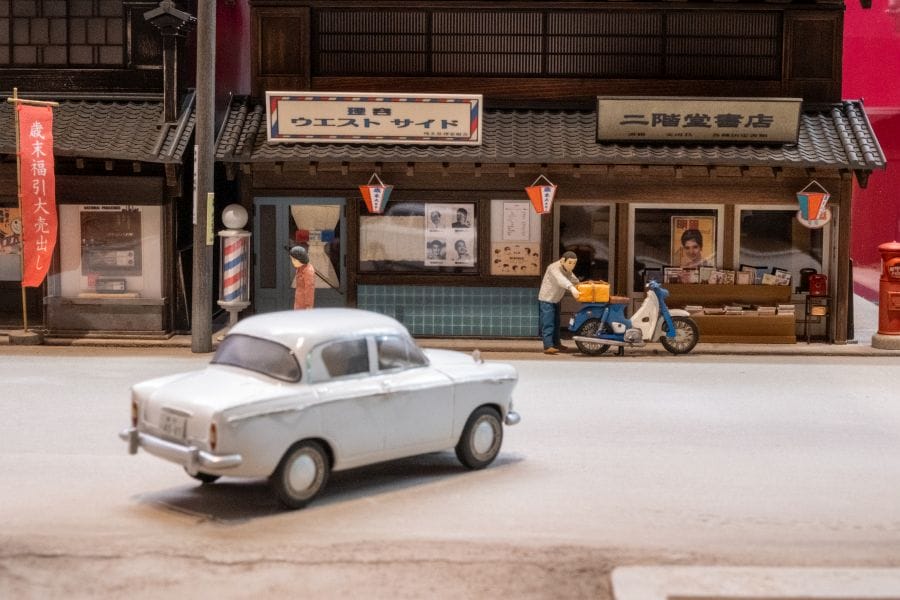
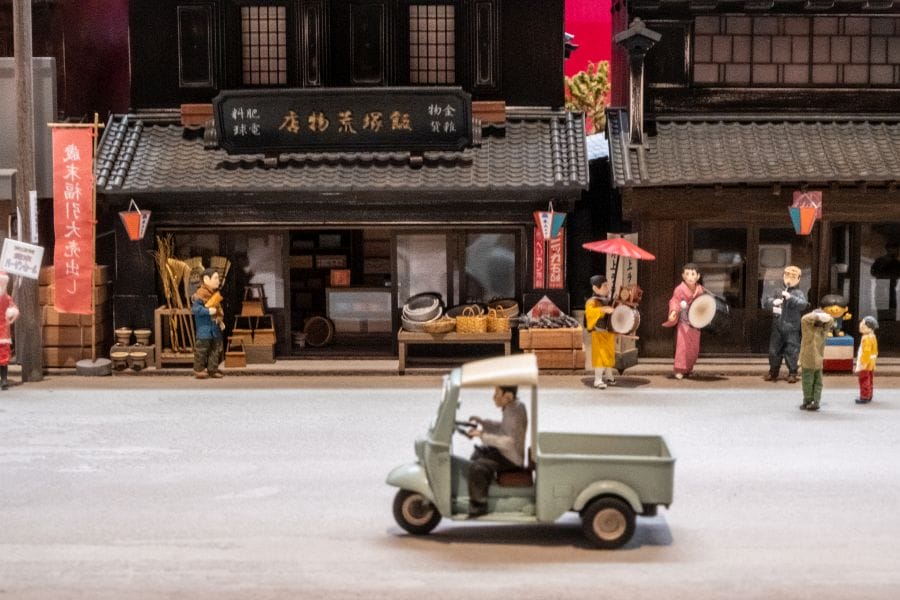
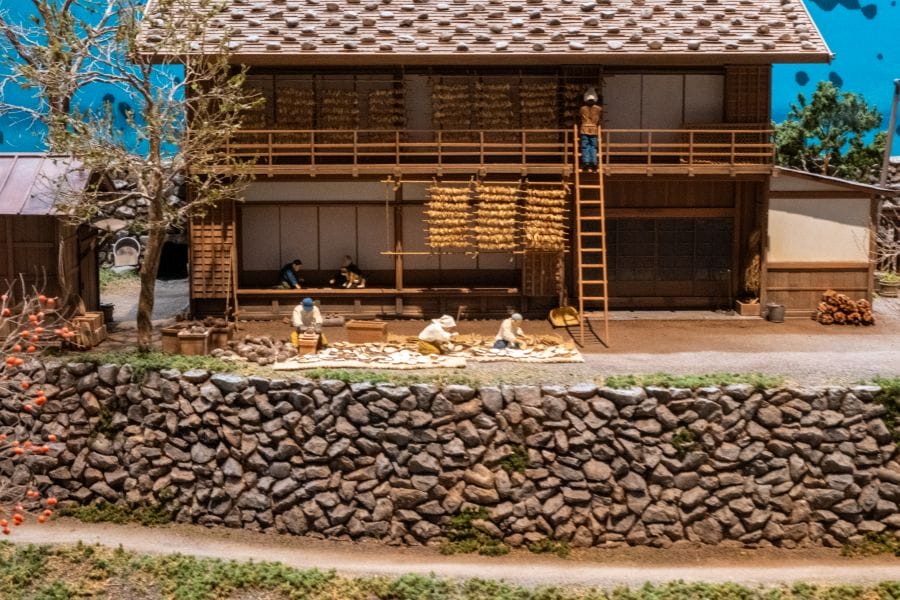
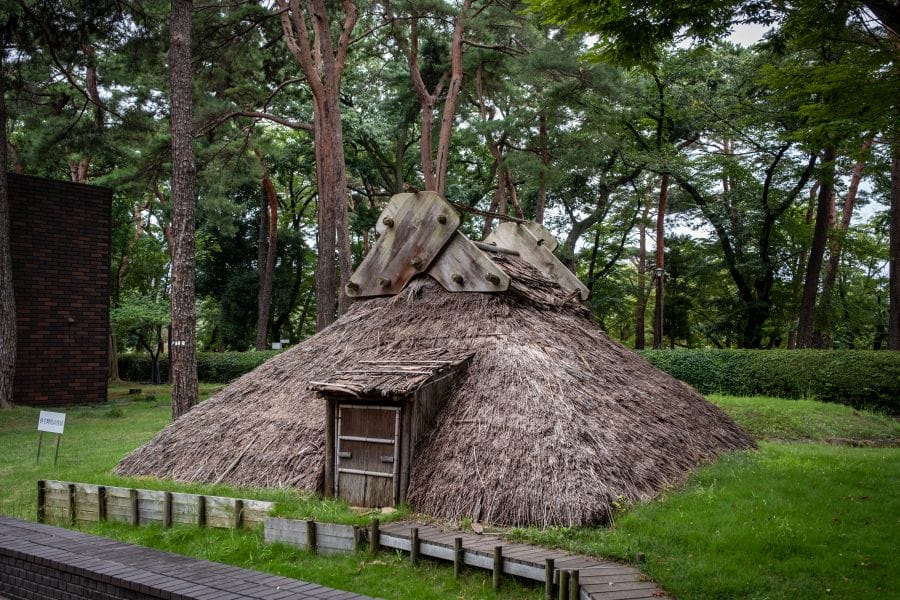
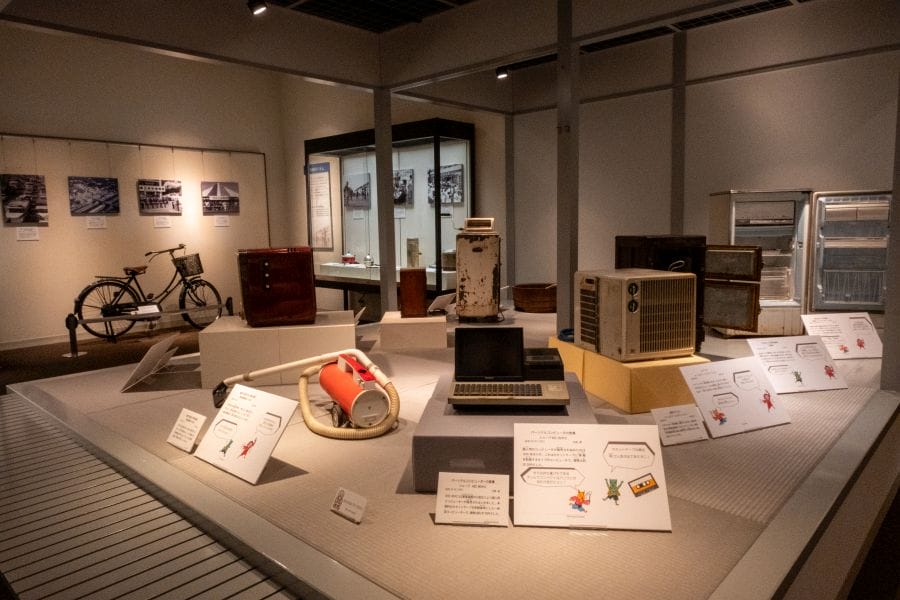
The folklore section transitions into rural life during the Edo period, containing fully reconstructed interiors of traditional thatched farmhouses, silk-weaving looms, indigo-dyeing equipment, and timber agricultural tools used along the Arakawa River basin. The detailed dioramas are particularly enchanting. Interactive workshop spaces allow people to try hand-weaving, woodblock printing, or fitting replica iron armour plates under the guidance of resident craftspeople.
Saitama’s geographical location on the fertile Musashi Plain positioned it as a crucial agricultural, industrial, and strategic transit zone in eastern Japan. During the Edo period, vital overland routes including the Nakasendō and the Nikkō Onari-kaidō highway traversed the region, fostering flourishing post towns, trade guilds, and textile manufacturing centres. The museum’s ethnological collections illustrate how local communities adapted to seasonal flooding along major river systems while developing specialised techniques in sericulture, wood-carving, and indigo fabric dyeing. Originally opened in October 1971 as the Saitama Prefectural Museum to commemorate the centennial of the prefecture’s modern administrative establishment, the institution expanded its operational mandate in 2006. By merging with the Prefectural Folklore Museum, it united prehistoric archaeological discoveries with regional folk traditions, documenting how rural lifestyles shifted during twentieth-century industrialisation. The permanent collection demonstrates how historic trade corridors shaped martial traditions, local religious rituals, and cottage industries over two millennia.
Architecture
Designed by the celebrated architect Maekawa Kunio, a former apprentice of Le Corbusier, the museum building stands as a major work of mid-century Japanese modernist architecture. Completed in 1971, the structure uses Maekawa’s signature cast-in tile method, in which dark reddish-brown ceramic tiles were set directly into the concrete shuttering before pouring. This construction method protected the reinforced concrete frame against damp atmospheric weathering while providing a textured, earth-toned exterior that integrates with the surrounding grove of keyaki and Japanese red pine trees inside Ōmiya Park. The low-slung, multi-volume layout centres around a spacious open courtyard, creating a fluid connection between the indoor exhibition halls and the outdoor park landscape. Floor-to-ceiling glass panels line the central lobby corridors, allowing natural daylight to illuminate the brick-paved walkways and timber-clad exhibition rooms. Stone paving blocks guide pedestrians through a winding, tree-shaded approach from the main park pathways, establishing a deliberate transition from the park’s natural environment to the curated interior spaces. The building’s design earned the Japan Art Academy Prize and is recognised as one of the country’s most refined examples of public museum architecture.
Information
Name in Japanese: 埼玉県立歴史と民俗の博物館
Pronunciation: sai-tama-ken reki-shee to min-zoku no haku-butsu-kan
Address: 4 chōme-219 Takahana-chō, Ōmiya Ward, Saitama, 330-0803